

Description
-
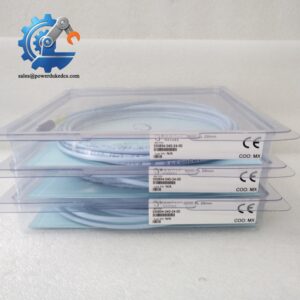
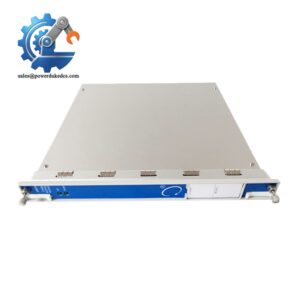
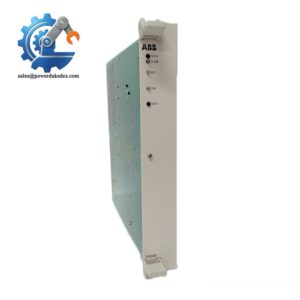
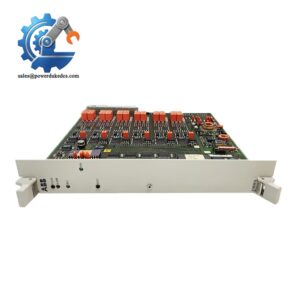
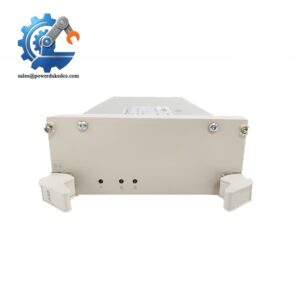
Unboxing & Physical Snapshot
- Model & Brand: ABB 500CSP04
- Product Type: ABB AC500/S500 PLC system communication module used within modular automation architectures. The unit provides controller-side communication expansion and integrates with ABB modular PLC hardware platforms. AC500 communication modules are designed to extend PLC connectivity across industrial networks and field devices.
- Approximate Physical Dimensions (W × H × D): Approximately 45 × 100 × 90 mm (module dimensions vary slightly depending on terminal base configuration)
- Estimated Shipping Weight: Approximately 0.15-0.30 kg including ESD protection packaging
- What’s in the Box:
- ABB 500CSP04 communication module
- Terminal connection interface (if supplied with module variant)
- Module identification label
- Protective anti-static shielding bag
- Conductive transport foam
- Documentation package when available
Product Introduction
The ABB 500CSP04 is installed directly within the AC500/S500 modular PLC environment, where communication hardware must maintain a defined position in the controller and I/O architecture. The module connects through the PLC expansion structure and supports organized data exchange between automation components (which is critical when maintaining validated control cabinets with documented hardware layouts).
This communication module is normally stored as a controlled spare because a failed interface can interrupt PLC data exchange, remote I/O communication, or machine-level coordination. Before replacement, verify the exact AC500 CPU family, Automation Builder configuration, firmware compatibility, and network parameters. A physically matching module is not automatically a functional replacement.
Core Technical Specifications
Parameter Value Manufacturer ABB Model 500CSP04 Product Family ABB AC500 / S500 Automation System Product Type Communication Interface Module Application PLC network expansion and system communication Mounting Method AC500/S500 modular backplane mounting Supply Voltage 24 VDC system supply Current Consumption Configuration dependent Maximum Power Dissipation Approximately 6 W class for S500 modular devices Cooling Method Natural convection cooling Installation Position Horizontal preferred; vertical installation may require derating Protection Class IP20 cabinet installation Diagnostic Features Front-panel status indicators Communication Function Protocol dependent on installed configuration Weight Approximately 125 g class without terminal unit Memory Requirement Configuration data stored within PLC system parameters 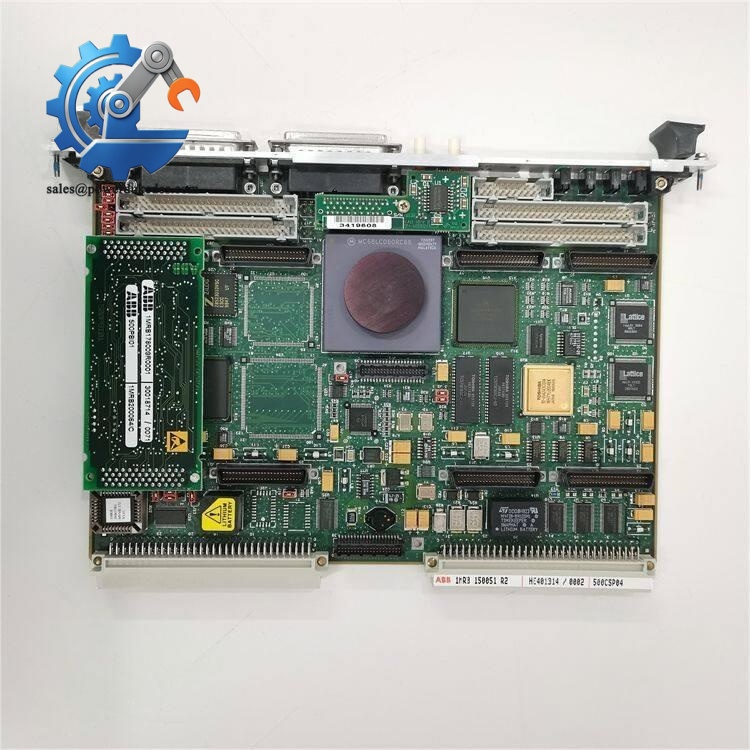
ABB 500CSP04
ABB S500 module documentation specifies 24 VDC system operation, approximately 6 W maximum internal power dissipation for comparable modules, natural convection cooling requirements, and approximately 125 g module weight without terminal unit.
? Global Compliance & Industry Certifications
Expected regulatory approvals and compliance considerations for the ABB 500CSP04 include:
- CE Mark: Applicable for approved ABB system installations meeting EMC and electrical safety requirements.
- UL/cUL Recognition: May apply when installed as part of an approved industrial control panel.
- RoHS Compliance: Expected for applicable production revisions.
- ATEX / IECEx: Not typically a standalone certification for this communication module; hazardous-area suitability depends on the complete control system design.
- Marine Approvals (DNV GL): Applicable only when integrated into certified marine automation equipment.
Communication modules are often included in control cabinet audits because incorrect substitution can affect system documentation, network approval records, and spare-part traceability.
Verify specific lot certifications with OEM.
? Long-Term Storage & Asset Preservation Guide
Keep the ABB 500CSP04 sealed inside the original anti-static ESD bag during warehouse storage. The connector contacts and PCB components require protection from static discharge and airborne contaminants.
Maintain storage humidity below 60% RH. Avoid locations with condensation cycles, corrosive gases, or chemical vapors because connector oxidation can create intermittent communication faults.
Inspect stored modules every 12-24 months. Check the housing, retaining clips, connector surfaces, LED windows, and identification label. Before installation, compare hardware revision and configuration records against the installed PLC inventory.
Physical Installation Prerequisites
- Install the 500CSP04 only within the approved ABB / modular system.
- Verify module addressing and configuration before powering the cabinet.
- Ensure proper engagement of the backplane connection mechanism.
- Maintain at least 50 mm clearance around cabinet airflow paths where enclosure design permits.
- Confirm protective earth bonding for the control cabinet.
- Keep communication wiring separated from motor feeders and VFD output cables.
- Verify terminal torque and shielding practices.
- Confirm PLC firmware compatibility before commissioning.
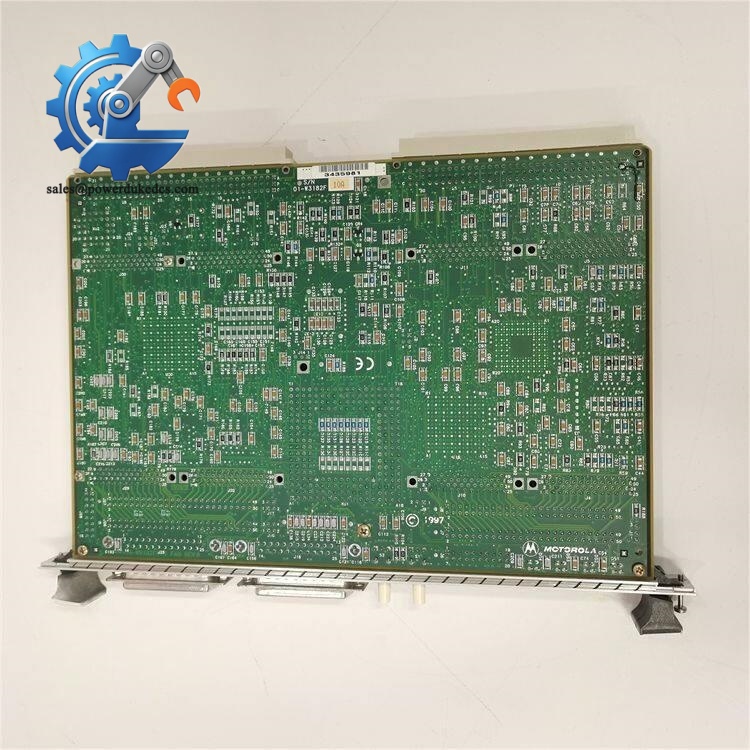
ABB 500CSP04
Buyer’s FAQ (Logistics & Compliance Focus)
Q: What HS Tariff Code is commonly used for an ABB 500CSP04 shipment?
A: Industrial PLC communication modules are commonly reviewed under HS classifications related to electrical control equipment, often within heading 8537. Final classification depends on customs interpretation, declared function, and local import requirements.
Q: Why is Country of Origin documentation important for this ABB module?
A: COO records support customs clearance, warranty tracking, and automation asset audits. Receiving teams should verify the country marking on the module label and packaging before inventory acceptance.
Q: Should this communication module ship with insurance coverage?
A: Recommended. The module contains sensitive electronic components, and transportation shock, moisture exposure, or ESD events may create failures that are not visible during receiving inspection.
Q: Does the ABB 500CSP04 include the latest firmware pre-loaded?
A: Firmware availability depends on the exact module type and system revision. Communication modules typically require configuration verification through the ABB PLC engineering environment rather than simple firmware loading. Confirm compatibility with the installed project before replacement.


 Start Chat