

Description
Module 2: The 10-Second Buyer’s Brief
- Brand: ABB
- Full Model Number: 83SR06
- ABB Part Number: GJR2395400R1010
- System/Series Family: ABB Procontrol P14
- Core Function: Universal control module for binary and analog signal processing
- Top 3 Hardcore Specs: PROCONTROL station module; EEPROM application memory; bus-based application-program loading
- Bus Function: PROCONTROL station bus communication
- Program Memory: Non-volatile EEPROM
- Module Addressing: Automatic when inserted into the PROCONTROL station
- Stock Status: New Surplus / Factory-Sealed or Fully Tested Refurbished subject to actual inventory condition
ABB’s technical documentation identifies the 83SR06 as a PROCONTROL module and provides diagnostic information for the 83SR06, including process-channel, processing, checksum, timer, and bus-adaptation faults.
Module 3: Technical Product Introduction
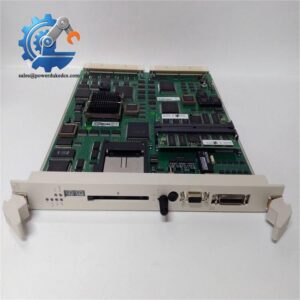
When a legacy ABB PROCONTROL P14 control station develops a controller fault, the replacement has to match more than the physical board. The ABB 83SR06 GJR2395400R1010 is a universal control module associated with binary and analog signal processing. Its application program is stored in non-volatile EEPROM, while program installation and modification are performed through the bus from the PDDS engineering environment. The module also performs bus telegram checking using parity information, which is important when diagnosing communication-related failures.
The practical advantage is maintainability of an established PROCONTROL installation rather than a generic increase in processing capacity. The module address is automatically assigned when it is inserted into the PROCONTROL station, reducing manual address-setting work during replacement. Diagnostic registers provide specific fault information, including process-channel failure, processing failure, checksum errors, timer faults, bus shutdown faults, and hardware faults in the bus interface. ABB’s original documentation also specifies address-related diagnostics, including an invalid device address outside the 0–58 range.
Module 4: Application Scenarios & Field Realities
- In a PROCONTROL station serving a continuous process, the 83SR06 can handle the binary and analog signal-processing functions assigned by the control application. If the existing controller stops responding, check the diagnostic register before replacing hardware; the ABB documentation provides separate indications for process-channel and processing faults.
- For legacy power-generation control systems, the EEPROM-based application storage is significant during maintenance. The application program is not dependent on volatile working memory alone, and ABB documentation indicates that application installation or modification can be performed through the bus from PDDS.
- Where intermittent communication faults appear, do not immediately condemn the control module. The 83SR06 checks received bus telegrams using parity information, while its diagnostics can distinguish communication/interface-related problems from processing faults. That distinction can save a technician from replacing a good board.
- During emergency spare replacement, automatic module addressing is useful, but it does not eliminate commissioning checks. Verify the station configuration, application program, diagnostic status, and downstream I/O behavior after installation. The module’s diagnostic documentation specifically includes address and bus-interface fault conditions.
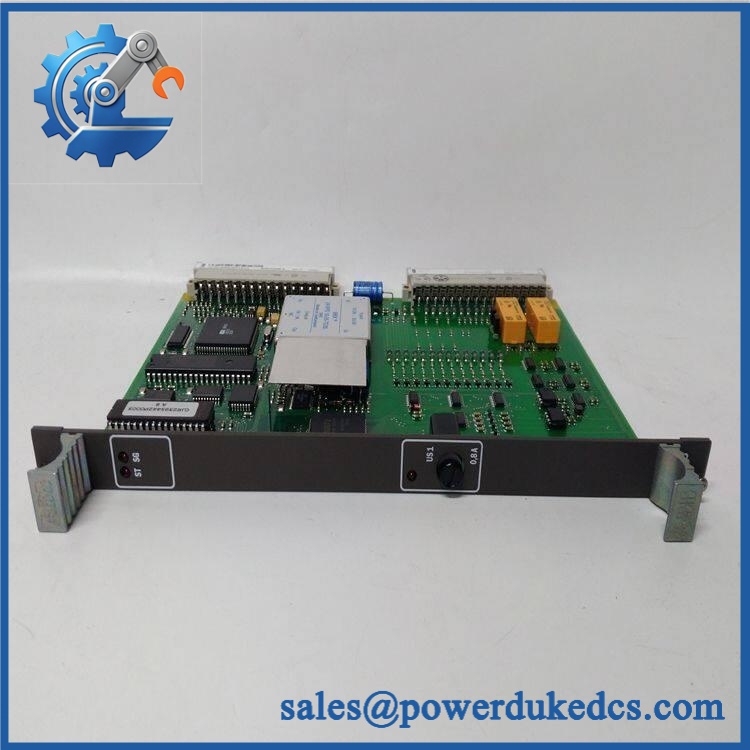
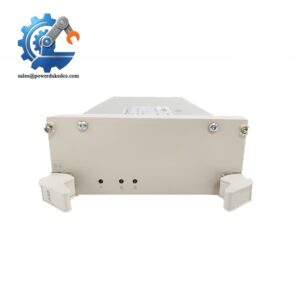
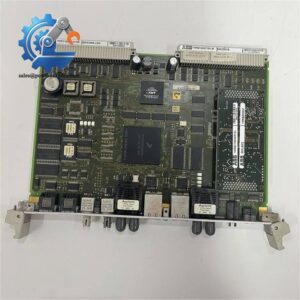
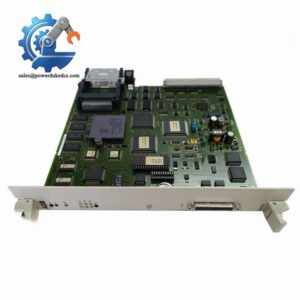
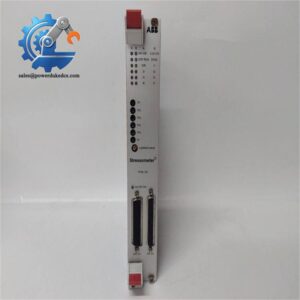
ABB 83SR06 GJR2395400R1010
Module 5: Migration, Compatibility & Installation Traps
Replacement Matrix
| Replacement Case | Classification | Engineering Requirement |
|---|---|---|
| Existing 83SR06 GJR2395400R1010 replaced with the same model and compatible revision | Drop-in Replacement | Verify hardware identification, station compatibility, and application configuration |
| Different 83SR06 revision used in the same PROCONTROL station | Software/Configuration Verification Required | Confirm firmware/application compatibility before returning the station to service |
| Different PROCONTROL control module substituted for 83SR06 | Hardware Modification Required | Validate I/O assignment, application program, bus configuration, and cabinet wiring |
Field Traps — Watch Out
1. Do not confuse automatic addressing with automatic commissioning.
The 83SR06 receives its module address automatically when inserted into the PROCONTROL station, but the installed application and station configuration still need to be verified. ABB’s documentation identifies 0–58 as the valid device-address range and provides a specific diagnostic condition for an invalid address.
2. Check the diagnostic register before replacing the board.
A displayed process-channel fault can have several causes. ABB documentation lists possibilities including a failed fuse and short circuits on specified outputs, in addition to hardware-related conditions. Replacing the 83SR06 without checking these external causes can result in a second failed module.
Installation note: Follow the site’s PROCONTROL maintenance procedure for isolation and power removal. Confirm connector orientation and mechanical seating before energizing the station. For an installed legacy system, record the original module identification and diagnostic state before removal.
Module 6: Quality Assurance SOP
For an ABB 83SR06 GJR2395400R1010, pre-shipment verification should focus on module identity, physical condition, memory/program integrity where the test setup permits, and PROCONTROL communication behavior.
- Part-number verification: Confirm 83SR06 and GJR2395400R1010 against the physical identification label and purchasing record.
- OEM anti-counterfeit visual inspection: Examine ABB markings, PCB construction, connectors, component placement, board finish, labels, and revision information for inconsistencies.
- Mechanical inspection: Check the PCB, connectors, mounting points, edge contacts, and housing for cracks, corrosion, contamination, or impact damage.
- Power-on self-test (POST): Energize the module using a compatible PROCONTROL test arrangement and check the available status/diagnostic indications.
- Diagnostic-register verification: Check for active faults relating to processing, process channels, checksum errors, timer operation, bus accessibility, bus adaptation, and device addressing. ABB documentation specifically identifies these diagnostic categories for the 83SR06.
- EEPROM verification: Where the test system permits, verify that the non-volatile application-memory function responds correctly. Do not overwrite a customer’s application program merely as part of routine testing.
- Communication handshake verification: Confirm that the PROCONTROL station recognizes the module and that bus telegram exchange occurs without parity or communication faults.
- Application-program verification: If a controlled test application is available, verify that the module can receive and execute the intended application configuration through the appropriate engineering interface.
- Binary/analog signal verification: Exercise the applicable I/O processing paths and compare measured behavior with the approved test reference.
- Final visual inspection: Recheck connectors, labels, mounting hardware, and protective packaging after testing.
- Traceability: Record the exact model, part number, revision information where available, test date, diagnostic result, and physical condition before shipment.



 Start Chat