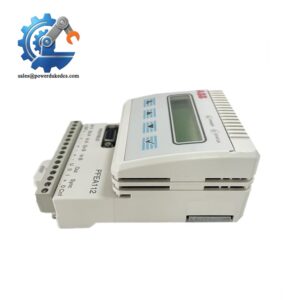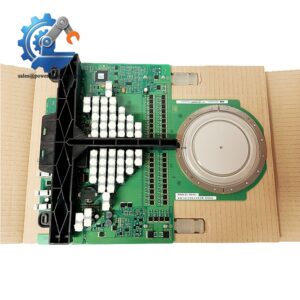
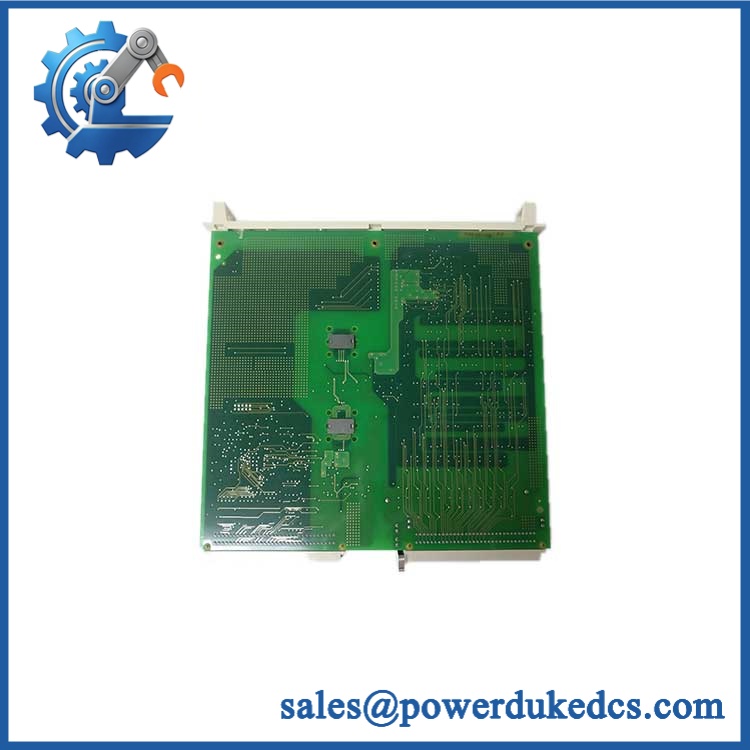
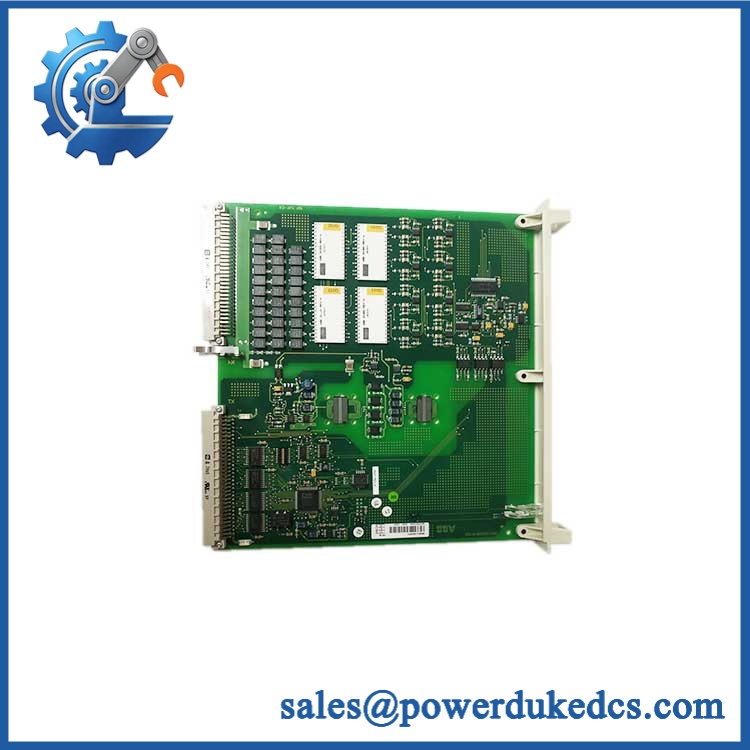
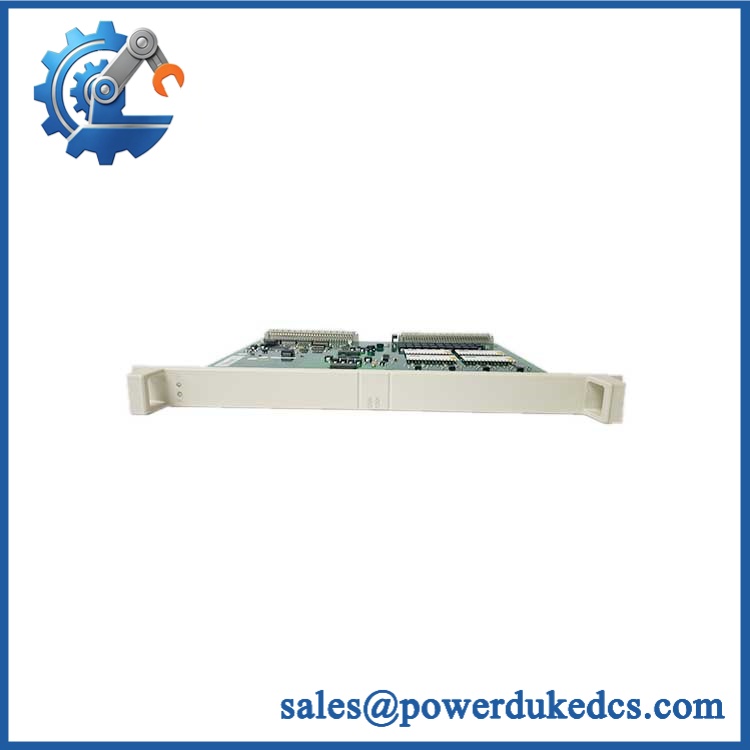
Description
- Brand: ABB
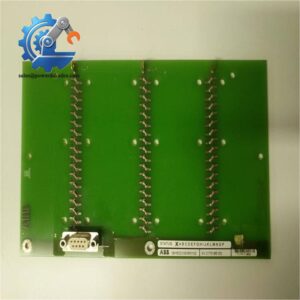
- Full Model Number: DSBB175
- Lifecycle Status: Legacy component; verify the current ABB lifecycle phase before purchase
- Core Function: Bus board / bus backplane for legacy ABB control equipment
- Top 3 Technical Specs: Bus-board assembly; mating connector and interface configuration; rack and hardware revision compatibility
- Stock & Condition: Availability subject to warehouse verification; condition and inspection status specified on quotation; dispatch schedule confirmed before order release
- Identification Reference: DSBB175; verify the complete product label and any associated ordering code before approving a substitute
Supply Chain & Technical Deep Dive
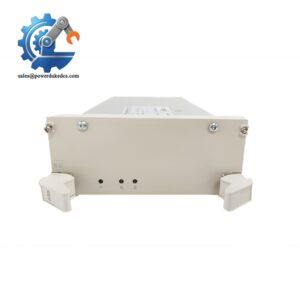
When a legacy ABB control system develops a hardware fault, finding the exact replacement board can become a procurement bottleneck. The ABB DSBB175 is described in supplier catalog records as a bus board or bus backplane for older ABB control equipment. However, published descriptions differ on the exact system family and technical characteristics. Confirm the installed board’s identification label, connector arrangement, and applicable OEM documentation before placing an order.
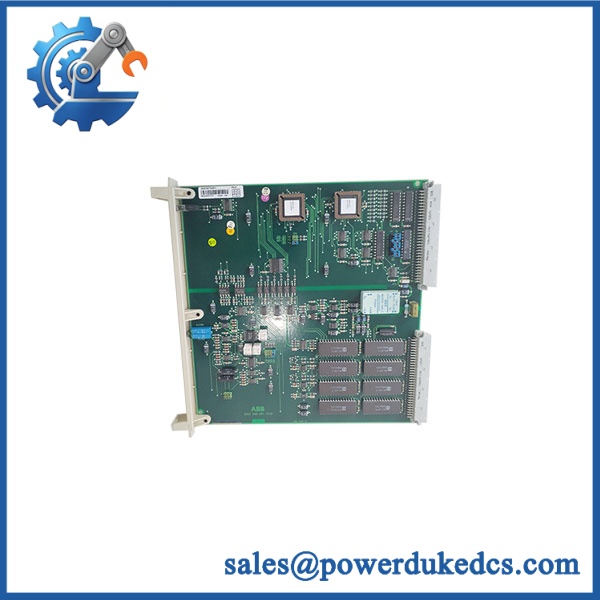
ABB Advant Master -S100 I_O System
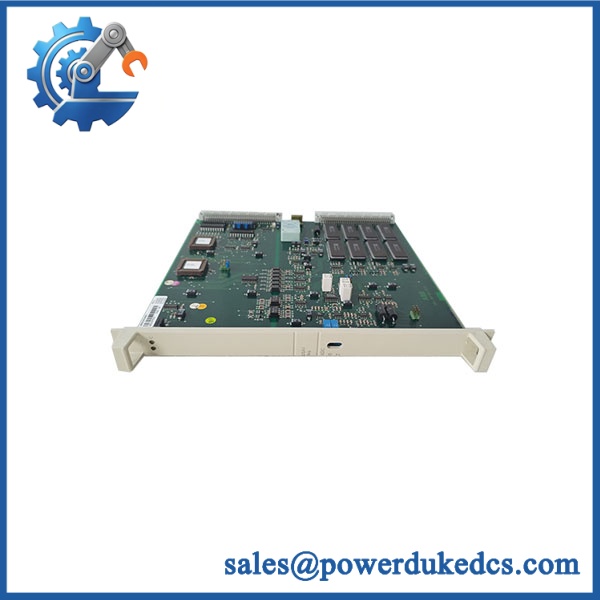
ABB Advant Master -S100 I_O System
Migration, Compatibility & Field Traps
Replacement Matrix
| Classification | DSBB175 Assessment | Required Action |
|---|---|---|
| Drop-in Replacement | Conditional | Verify the complete part number, board revision, connector layout, and installed rack configuration. |
| Software Compatible | System-dependent | Establish whether the target controller or associated equipment requires any configuration or firmware changes. Do not assume a firmware flash is necessary. |
| Hardware Modification | Not approved by default | Do not alter connectors, wiring, or bus interfaces without an applicable OEM-approved procedure. |
Field Traps — Watch Out
- Part Identification Mismatch: DSBB175 catalog descriptions do not consistently identify the same system family or electrical characteristics. Compare the installed board label and ordering code against the equipment records before releasing the purchase order.
- Insertion and ESD Damage: Isolate power according to the equipment manufacturer’s procedure unless the exact assembly is explicitly approved for energized replacement. Use appropriate electrostatic discharge protection and inspect connectors for bent contacts, corrosion, or mechanical damage before installation.
Engineering Approval Gate
Before approving the replacement, record the installed rack or chassis designation, board identification, connector configuration, and relevant revision details. Where these cannot be verified, request a product-label photograph and written compatibility assessment rather than treating a catalog description as proof of interchangeability.
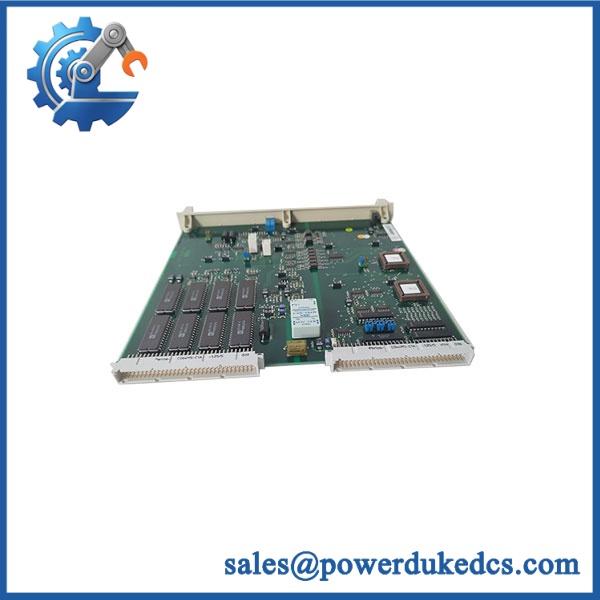
ABB Advant Master -S100 I_O System
Quality Assurance & Testing SOP
The pre-shipment inspection should establish the board’s identity, physical condition, and test status without claiming functionality that the available test setup cannot demonstrate.
- OEM Anti-Counterfeit Visual Inspection: Examine product labels, ordering codes, markings, serial information where present, connector construction, and PCB condition. Compare available identifiers against applicable OEM references; visual inspection alone does not establish authenticity.
- PCB and Connector Inspection: Check for corrosion, damaged contacts, cracked solder joints, contamination, unauthorized rework indicators, and visible mechanical damage. Record any findings before dispatch.
- Electrical and Interconnect Checks: Perform continuity or interconnect checks where technically applicable, using an approved procedure and suitable test equipment. Do not apply test voltages to unidentified pins.
- Power-On Self-Test (POST): Where the compatible system assembly exposes diagnostic indicators, verify the documented startup sequence and relevant ERR/RUN LED states in an approved test configuration. Do not assume the DSBB175 board itself has these indicators.
- System Integration Verification: Where a compatible rack and appropriate test setup are available, verify board seating, bus communication, and recognition by the associated control hardware.
- I/O Load Testing: A bare bus board should not be treated as a discrete I/O module. Test connected I/O functions only where the approved system configuration supports the test, using the prescribed loads and electrical limits.
- Inspection Record and Dispatch Release: Record the inspected model, visible condition, checks performed, test limitations, and final disposition. Include relevant product photographs and available test records with the shipment documentation.
Acceptance Standard: Release the unit only when its identity has been checked, applicable inspection steps have passed, and any limitations in functional verification have been documented.