

Description
-
Model: ABB EST125-975
- Part Number: DCC2382
- Brand: ABB
- Product Family: ABB excitation / power control equipment
- Part Type: Control / Interface Board
- Core Function: DCC2382 is used as an electronic control board within ABB excitation-related equipment, supporting signal processing and system control functions.
- Key Specs: ABB DCC2382 board designation, EST125-975 system reference, industrial electronic construction, and legacy-system replacement application.
Product Introduction
When an excitation-control cabinet develops an intermittent board fault, the problem can quickly move beyond a simple component replacement. A defective control board may affect excitation regulation, monitoring, or associated protection functions, making exact hardware identification important before maintenance work begins.
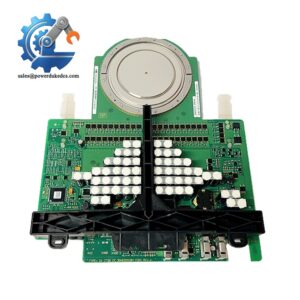
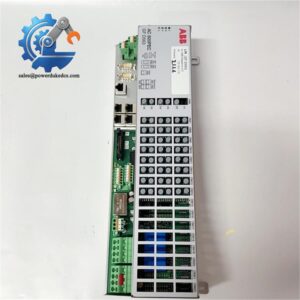
ABB EST125-975 DCC2382 is an ABB electronic control-board reference associated with the EST125-975 equipment designation. The DCC2382 identifier is the key board-level reference for procurement and replacement.
For legacy ABB excitation installations, matching the complete board marking is particularly important (revision markings, connectors, and installed firmware or configuration can affect compatibility). The unit should therefore be treated as an exact replacement item rather than a generic ABB control board.
The exact technical ratings should be confirmed from the nameplate and the applicable ABB EST125-975 documentation before engineering substitution. In particular, supply voltage, I/O assignments, connector pinouts, dimensions, and firmware should not be inferred solely from the designation.
Application Scenarios & Pain Points
In generator excitation systems, a control-board failure can affect the regulation chain even when the generator, exciter, and power stage remain mechanically healthy. An exact replacement can therefore be valuable during corrective maintenance.
For power-generation maintenance teams, the main concern is usually restoration of an existing excitation system without changing the surrounding control architecture. Keeping the same board reference avoids unnecessary modification work.
Within older industrial power facilities, sourcing can become difficult when an excitation system has been operating for decades. A tested legacy spare can reduce the time between fault identification and system restoration.
At cabinet temperatures around 50°C, thermal conditions should be checked carefully before installing a replacement. The exact allowable operating range must come from the relevant ABB equipment documentation rather than from a generic PCB temperature rating.
Common Error Codes & Diagnostic Symptoms
Because publicly available information does not establish a dedicated error-code table, the following are field-level diagnostic symptoms rather than confirmed ABB fault codes:
- Excitation Control Failure → Diagnosis: Possible failure in the electronic control chain, including the board, associated wiring, or power supply. → Action: Check system diagnostics and board-level signals, then replace if hardware failure is confirmed.
- Intermittent Regulation / Unstable Control Signal → Diagnosis: A deteriorating PCB, connector, solder joint, or associated interface can produce intermittent control behavior. → Action: Inspect connectors and board condition and perform controlled functional testing.
- Control Board Not Responding → Diagnosis: Loss of board power, internal electronic failure, or a communication/interface fault may prevent normal controller operation. → Action: Verify power and system connections before replacing the board.
Cross-Reference & Lifecycle Migration
Part Identification
| Reference | Identification |
|---|---|
| ABB equipment/system designation | |
| ABB board designation | |
| Complete identification used for procurement | |
| DCC 2382 | Spacing variation of the board designation |
| ABB | Common shortened search reference |
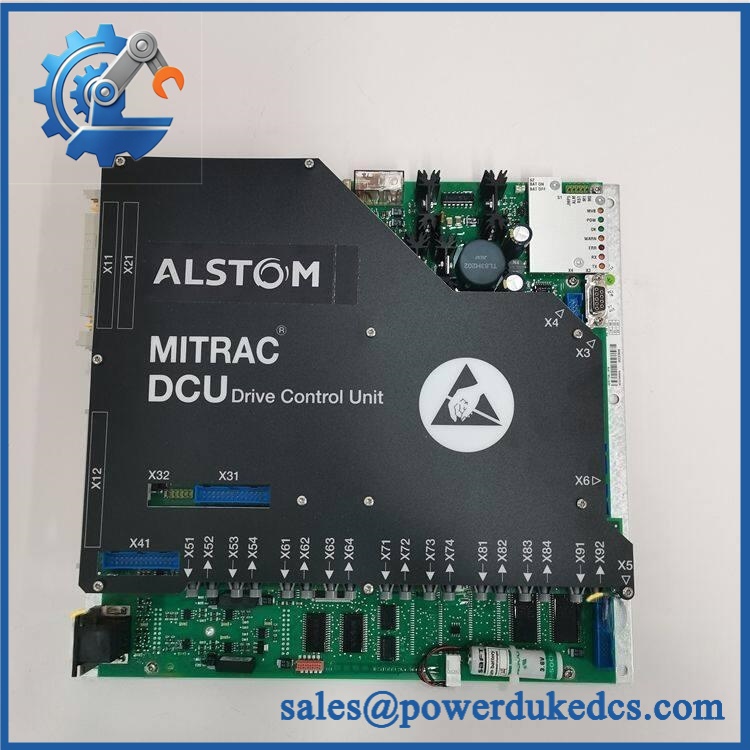
ABB EST125-975 DCC2382
No reliable evidence supports assigning another DCC-series board as a direct replacement for solely based on similar numbering.
Revision Compatibility
Before replacing the board, compare:
- Complete marking
- Hardware revision
- PCB revision
- Connector arrangement
- Jumper/DIP-switch configuration
- Existing system configuration
- Associated excitation-control equipment
Firmware
No verified firmware version or mandatory firmware-flashing procedure has been established for this exact board from the available identification data. If the board contains programmable logic or configuration memory, use the firmware/configuration specified for the installed system.
Lifecycle
Recommended procurement classification: Legacy / Limited Availability.
For older excitation systems, maintaining a tested spare can be useful because a board-level failure may require specialized sourcing or repair rather than routine OEM replacement.
Field Engineer’s Tech Notes
1. Record every jumper and switch position before removal.
On legacy excitation electronics, board configuration can depend on hardware settings. Photograph the original before disconnecting it so the replacement can be configured identically.
2. Do not assume a visually similar DCC board is interchangeable.
ABB electronic boards can have similar construction and connector layouts while serving different functions. Match + and the board revision before installation.
Strict QA & Testing SOP
- Inbound identification — Verify ABB markings and the complete identification.
- Visual inspection — Check PCB condition, components, connectors, solder joints, mounting points, and signs of corrosion.
- Revision recording — Photograph and record PCB revision, serial number, labels, and configuration markings.
- Connector inspection — Check all contacts for bending, contamination, oxidation, or mechanical damage.
- Configuration comparison — Compare jumpers, switches, links, and board settings with the original unit.
- Electrical inspection — Check applicable power and circuit parameters using the appropriate test procedure.
- Bench testing — Test the board using a compatible ABB excitation-system test setup where available.
- Functional testing — Verify control signals, interfaces, diagnostics, and system response.
- Extended observation — Monitor for intermittent faults during a controlled operating period.
- Final QA record — Document photographs, serial information, test results, and condition.
- ESD packaging — Package the PCB in antistatic material with adequate cushioning.
Test videos can be provided when available, showing the actual board condition and applicable functional testing.
Buyer’s FAQ
Q1: Can be hot-swapped?
A: Do not assume it can. Excitation-system control boards should normally be replaced under the shutdown and electrical-isolation procedure specified for the equipment.
Q2: Is the same thing as ?
A: They identify different levels of the product. is the equipment/system designation, while identifies the associated board.
Q3: Can another DCC-series board replace ?
A: Not without documented compatibility. Similar DCC numbering does not establish electrical or functional interchangeability.
Q4: Does require firmware programming?
A: No mandatory firmware procedure has been established from the available part identification. If the specific board revision contains programmable elements, configuration should follow the installed system documentation.
Q5: How can I verify an original ABB ?
A: Check the ABB markings, complete designation, PCB revision, serial/traceability information, connector arrangement, and physical construction. For a replacement purchase, photographs of the actual board are useful for comparison.
Q6: What warranty should I request?
A: Confirm the warranty period and coverage in the quotation. For legacy electronic boards, it is also useful to request functional-test evidence before shipment, especially when the unit is offered as refurbished or surplus.


 Start Chat