

Description
- Brand: ABB
- Full Model Number: INNIS21
- System/Series Family: INFI 90 / Symphony Enterprise Network
- One-Sentence Core Function: Network interface module providing communication between INFI 90 control-system nodes and the INFI-NET communication network
- Top 3 Hardcore Specs: INFI-NET network interface; INFI 90 distributed control architecture; modular network-node communication
- Stock Status: New Surplus / Fully Tested Refurbished — actual module identity and hardware condition verified before shipment
Module 3: Commercial-Technical Deep Dive
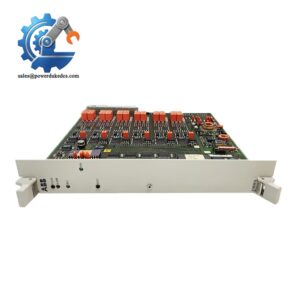
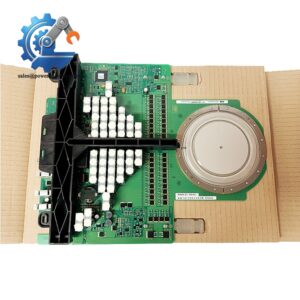
When an INFI 90 network node drops offline, replacing an I/O card will not restore the communication path. The ABB INNIS21 is a dedicated network interface module associated with ABB’s INFI 90 distributed control architecture and the INFI-NET communication network. Its job is at the communications layer: providing the network interface required for an attached control-system node to exchange data with other nodes across the INFI-NET environment. For sites maintaining legacy Symphony or INFI 90 installations, that distinction is important because the module is part of the network infrastructure rather than a conventional process I/O point.
The commercial value is straightforward: preserve an established control-system network without forcing a larger migration during an outage. Publicly available documentation identifies INNIS21 as an INFI-NET Interface Module, but exact electrical, connector, network-speed, and firmware details can vary with the associated INFI 90 node and hardware revision. That means a replacement should be matched against the removed module, node architecture, communication media, and installed configuration before energization. — A module that completes its startup sequence but does not establish the expected network path is not a successful replacement.
Module 4: Compatibility & Installation Traps
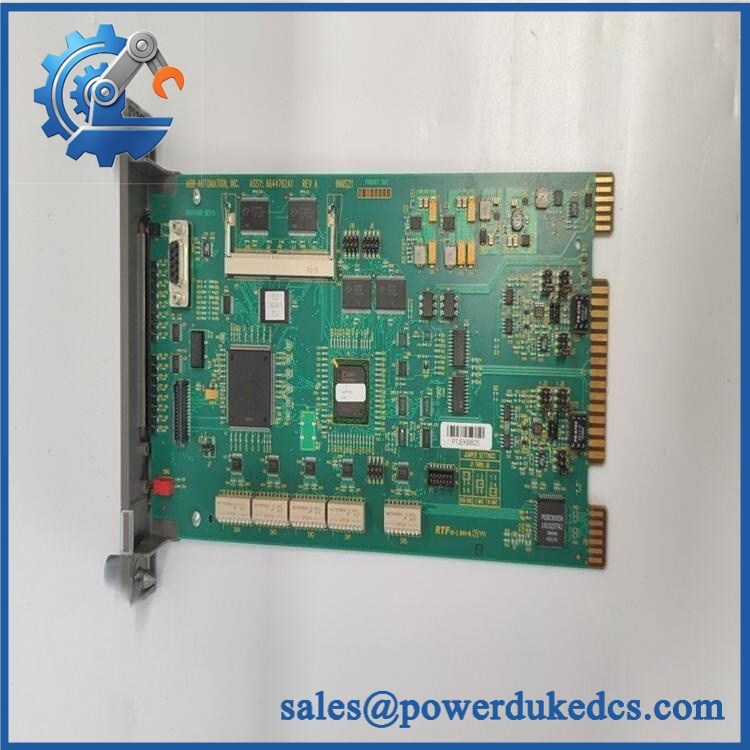
ABB INNIS21
Migration/Compatibility
- Replacement status: Configuration-specific network interface module for ABB INFI 90/Symphony legacy control systems.
- Functional category: INFI-NET network interface; it should not be treated as a generic Ethernet communication card.
- Firmware requirement: Do not assume a firmware update is required for a like-for-like replacement. Record the installed module revision and associated node firmware before removal.
- Logic rewrite: Normally not required for a verified hardware-for-hardware replacement. Network addressing, node configuration, and system database parameters still require validation.
- Network architecture: Confirm the installed INFI-NET media, node arrangement, and companion hardware before approving a substitute module.
⚠️ Field Traps (Watch Out)
- Network topology mismatch: Legacy INFI-NET installations are not interchangeable with modern Ethernet architectures simply because both carry control-system data. Verify the actual network interface and physical medium used by the installed system.
- Node configuration loss: Preserve node address, communication parameters, and applicable system configuration before removing the original module. A replacement can be electrically healthy while remaining absent from the control-system database.
- Connector identification: Photograph every network and backplane connection before extraction. Never rely on connector position from memory during a live maintenance window.
- ESD exposure: Handle the INNIS21 as an ESD-sensitive circuit module. Use a grounded workstation and antistatic packaging during storage and installation.
Module 5: Quality Assurance SOP
Our pre-shipment inspection for an ABB INNIS21 focuses on network-interface integrity and exact hardware identification:
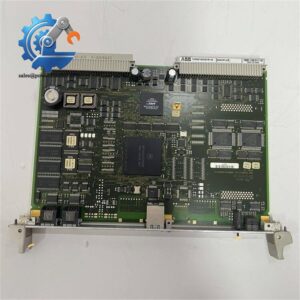
- OEM anti-counterfeit visual inspection — verify ABB identification, INNIS21 marking, serial/label information, PCB artwork, revision data, connectors, and component population.
- Part-number capture — photograph the front, rear, labels, and any secondary identification markings.
- Revision verification — compare the physical revision against the customer’s existing module or supplied photographs.
- PCB condition inspection — check for corrosion, cracked solder joints, damaged connectors, contamination, and evidence of overheating.
- Backplane-interface inspection — inspect card-edge or backplane contacts for oxidation, mechanical damage, contamination, or bent contacts.
- Power-on self-test (POST) — where a compatible INFI 90 test environment is available, energize the module under controlled conditions and monitor startup diagnostics, status indications, and abnormal current draw.
- Network-interface verification — install the module into an appropriate test rack or controller environment and verify expected initialization of the INFI-NET interface.
- Communication handshake verification — establish controlled communication with a compatible INFI 90 node and confirm expected network activity.
- Node visibility test — where the test environment permits, verify that the replacement module is recognized by the associated control-system network.
- Extended observation — monitor communication stability during a controlled operating period rather than accepting a single successful packet or startup indication.
- Configuration record — document module revision, serial number, test environment, network-interface results, and observed status indications.
- Final QC review — compare all recorded identification information against the customer’s requested specification.
- ESD packaging — use antistatic protection, mechanical cushioning, connector protection, and moisture control before shipment.
Because legacy INFI 90 hardware exists in multiple communication and node configurations, the final acceptance criteria should be tied to the customer’s installed system and applicable ABB documentation rather than generic family-level specifications.
Module 6: CRO-Driven Buyer FAQ
1. Is the ABB obsolete, and how do I verify an authentic replacement?
belongs to ABB’s legacy INFI 90 / INFI-NET control-system architecture. For an authentic replacement, verify the complete designation, physical ABB markings, revision information, connector layout, and compatibility with the installed node. A clear photograph of the existing module is strongly recommended before procurement.
2. Can the be hot-swapped?
Do not assume that it can be safely removed under power. Whether live replacement is permissible depends on the specific INFI 90 cabinet, node design, and applicable ABB maintenance procedure. For a standard replacement operation, isolate the affected equipment and follow the site’s approved LOTO procedure.
3. Is an Ethernet communication module?
It should not be described simply as a modern Ethernet interface. Its primary role is the INFI-NET network interface within the legacy INFI 90 architecture. Physical network media and interfaces depend on the installed system configuration.
4. Will replacing require reprogramming the DCS?
A like-for-like hardware replacement does not normally require rewriting the process-control application. Network identity, node configuration, communication parameters, and system-database recognition must still be verified before returning the node to service.
5. What warranty and technical support should I expect?
Warranty duration should be stated on the quotation for the exact physical unit supplied. Technical support should cover part-number identification, revision matching, node compatibility review, network-interface checks, installation guidance, and documented pre-shipment test results. It should not substitute for DCS engineering authority, network commissioning, or site electrical-safety procedures.



 Start Chat