

Description
- Model: P8431
- Brand: ABB
- Series: Plantguard TMR
- Part Type: Triplicated analog input module
- Channel Capacity: 40 analog input channels
- System Role: Receives field analog signals for the Plantguard safety / Fire & Gas architecture
- Input Arrangement: Documentation identifies the module as a 40-channel TMR analog input and reports a 0–6 V input range at the module, corresponding to up to 0–24 mA at the field termination assembly.
Product Introduction
A failed analog input card in a safety system can turn a single channel fault into a wider maintenance problem when the spare does not match the installed Plantguard configuration.
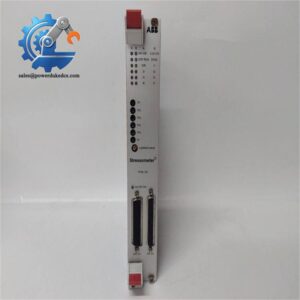
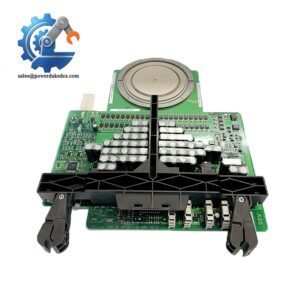
ABB P8431 is a Plantguard TMR analog input module with 40 channels. ABB-related Plantguard documentation identifies P8431 as the triplicated analog-input module, while a TÜV module list identifies P8431 as “Analog Inputs, Triplicated” and records a hardware release H37 / software build 037 for one certified Plantguard version. Field-system documentation further describes the module as a 40-channel analog-input interface using 24 VDC TMR architecture, monitoring signals in the 0–6 V range at the module / 0–24 mA across the field termination arrangement, with open- and short-circuit line monitoring.
For legacy Plantguard installations, exact hardware and certification revision matching should be treated as part of the replacement decision—not an afterthought.
Core Technical Specifications
| Parameter | Value |
|---|---|
| Manufacturer | ABB |
| Model | P8431 |
| Product Family | Plantguard TMR |
| Product Type | Triplicated analog input module |
| Number of Channels | 40 |
| Safety Architecture | TMR / triplicated |
| Application | Plantguard safety, Fire & Gas, and process signal acquisition |
| Module Supply | 24 VDC |
| Reported Module Input Range | 0–6 V |
| Reported Field-Termination Range | 0–24 mA |
| Line Monitoring | Open- and short-circuit detection reported |
| Certification Reference | TÜV-certified Plantguard module list includes P8431 |
| Documented Hardware Release | H37 for one Plantguard Version 3.4.1 certification listing |
| Documented Software Build | Build 037 for that certified configuration |
| Mounting | Plantguard rack/chassis architecture |
| Exact Current Draw | Not independently verified |
| Dimensions | Not independently verified |
| Weight | Not independently verified |
| Environmental Limits | Please refer to the OEM datasheet for complete environmental tolerances. |
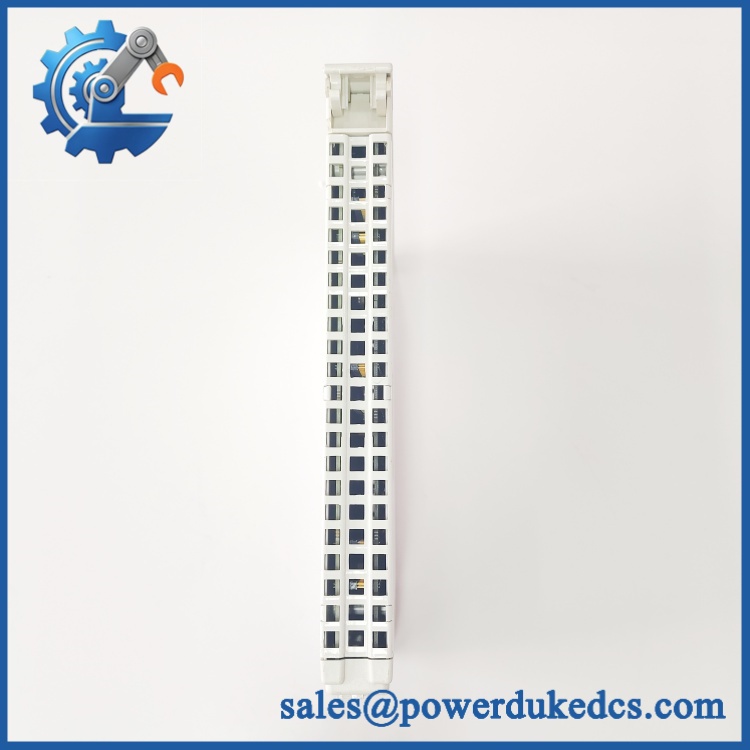
ABB P8431
The TÜV listing is particularly useful for legacy-system verification because it distinguishes from later P8431C hardware variants. The available Plantguard technical material also supports the 40-channel TMR architecture and the documented input/line-monitoring characteristics.
Application Scenarios & Pain Points
A refinery Fire & Gas cabinet may still depend on cards long after the original control platform has become a legacy asset. In that situation, maintaining a tested spare is often more practical than redesigning the complete I/O architecture.
- Oil and gas: 40 analog channels can be used for plant field measurements associated with Fire & Gas and safety monitoring applications. Plantguard documentation shows within the broader F&G system architecture.
- Petrochemical processing: The module can support analog sensor acquisition where the Plantguard safety platform remains in service.
- Power and utility facilities: Existing Plantguard cabinets may require like-for-like replacement to preserve validated system configuration.
- Legacy SIS maintenance: A New Surplus (NSFP) or tested replacement can reduce the exposure created by obsolescence when an installed fails.
- Remote maintenance programs: A verified spare becomes particularly useful when the cabinet is deployed in a site where restoring a failed 40-channel I/O position requires costly field travel.
? Common Error Codes & Diagnostic Symptoms
Symptom: Channel-specific analog value drops unexpectedly or becomes implausible
→ Diagnosis: Check the field loop first, then inspect the affected channel and associated termination assembly for open wiring, short circuits, or input-channel failure. The documented Plantguard implementation includes line-monitoring capability for open and short conditions.
→ Action: Isolate the field cause before replacing the module; replace when the module channel is confirmed defective.
Symptom: Multiple analog channels report abnormal values simultaneously
→ Diagnosis: A common termination, power, rack, or module-level fault becomes more likely than several independent transmitter failures.
→ Action: Check the supply, rack connections, termination assembly, and system diagnostics before replacing the card.
Symptom: TMR diagnostic or module fault indication remains active after field-loop checks
→ Diagnosis: Persistent internal hardware disagreement or module diagnostics can indicate a fault rather than a transmitter problem.
→ Action: Follow the Plantguard diagnostic procedure and replace the module with a verified compatible revision if the card is confirmed defective.
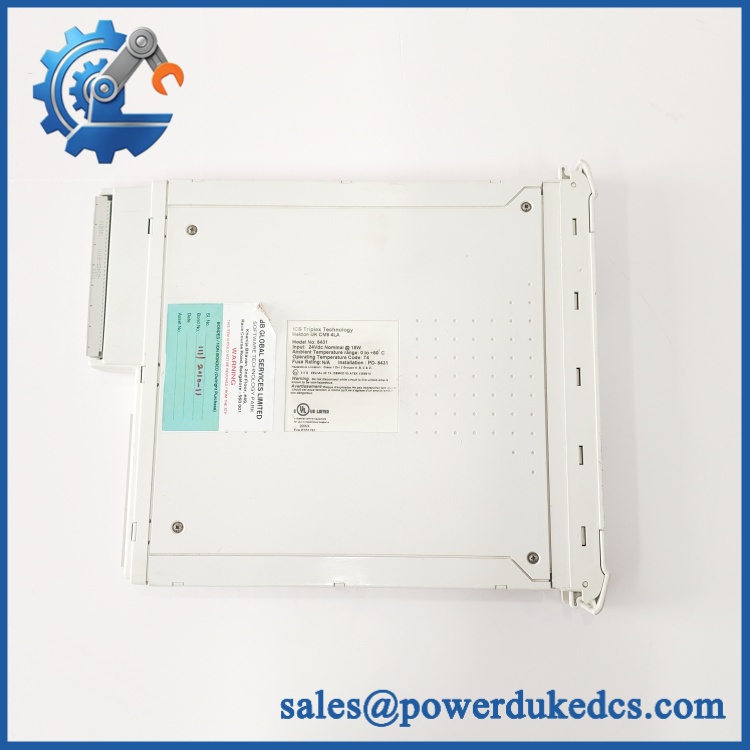
ABB P8431
? Cross-Reference & Lifecycle Migration
and P8431C should not be treated as automatically identical. A TÜV-certified Plantguard module list explicitly records both variants and identifies H37 / software build 037 separately from P8431C.
For procurement, the safe cross-reference is:
- 40-channel triplicated analog input module.
- P8431C: Related Plantguard variant; verify hardware release, software build, and certification status before substitution.
The available sources establish as a legacy Plantguard component, but they do not provide enough authoritative evidence to assign a single current OEM lifecycle category such as “Obsolete” or “Classic.” For buffer-stock planning, treat it as a legacy / obsolescence-managed spare and retain at least one tested replacement where continued operation of the Plantguard system is important.
Firmware or software compatibility should be checked against the installed certified Plantguard release. Do not assume that a later hardware revision can be inserted into an older validated system without configuration review.
Field Engineer’s Tech Notes
- Watch the field-terminal arrangement, not just the card label. The documentation describes the measurement range in relation to the field termination assembly. A transmitter loop that looks correct at the sensor can still produce an invalid reading if termination wiring is wrong.
- Do not casually mix hardware revisions in a safety system. The TÜV listing shows separate and P8431C entries with specific hardware/software releases. Preserve the installed revision information before removing the failed module, then verify the replacement against the site’s certified configuration.
Strict QA & Testing SOP
- Inbound identification: Verify the ABB marking, serial number, hardware release, label condition, and any associated certification markings.
- Physical inspection: Check the PCB, connectors, front-panel indicators, mechanical housing, and terminal-interface condition. Inspect for corrosion, cracks, bent contacts, contamination, or previous repair work.
- Electrical inspection: Verify supply-input integrity and perform applicable continuity checks without exceeding OEM limits.
- Live-rig testing: Install the module in a compatible Plantguard test rack with the correct termination/interface arrangement. Confirm module initialization, status indication, and channel diagnostics.
- Analog simulation: Feed controlled analog signals through an approved test interface to verify channel acquisition across the applicable input range. Confirm expected response on multiple channels rather than accepting a single-channel power-up test.
- Line monitoring check: Where the approved procedure permits, simulate the relevant open- and short-circuit conditions and verify that the diagnostic response is consistent with the configured system behavior.
- Final QC: Record the hardware/software revision, test results, photographs, and serial number. Package the card in ESD-safe material with suitable mechanical protection.
Test reports, inspection photographs, and test videos are available upon request.
Buyer’s FAQ
Q: Is ABB a standard PLC analog input card?
A: No. It is a 40-channel triplicated analog input module for the Plantguard safety architecture, not a generic PLC AI card.
Can I replace with P8431C?
A: Do not assume a direct drop-in replacement. TÜV documentation lists the two as separate certified module variants with different hardware/software release references. Verify the installed Plantguard version first.
Does support 4–20 mA signals?
A: Field-system documentation describes a 0–24 mA range at the field termination arrangement, while the module itself is described with a 0–6 V input range. The exact transmitter and termination configuration should be checked against the applicable Plantguard documentation before installation.
How do I confirm I am buying the correct original part?
A: Request clear photographs of the front label, hardware-release marking, serial number, and connector area. For a safety-system spare, condition alone is not enough; the hardware revision and installed certified configuration should also match.



 Start Chat