

Description
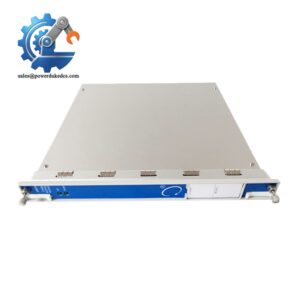
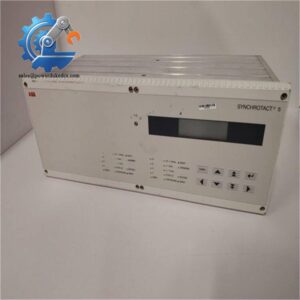
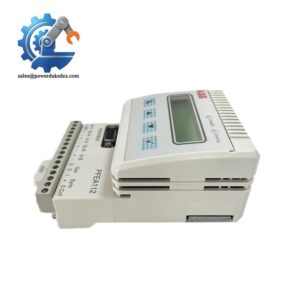
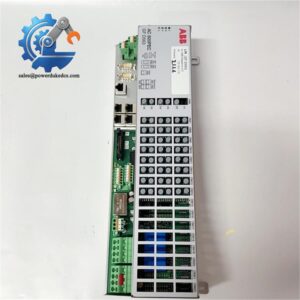
- Model: PFCL201CE-10.0
- Brand: ABB
- Series: PFCL201 / PFEA Force Measurement Platform
- Part Type: Force Measurement / Tension Measurement Electronics
- Core Function: Processes load-cell signals for accurate web tension and force measurement in industrial machinery.
- Key Specs: PFCL201CE family; 10.0 configuration; designed for force-measurement applications involving load cells and tension-control systems.
- Typical Application: Web handling, winding, unwinding, printing, converting, pulp and paper, and related continuous-process machinery.
- Engineering Note: The exact electrical interface and calibration parameters depend on the specific PFCL201CE configuration and connected load-cell arrangement.
Product Introduction
In a web-processing line, a tension measurement problem can quickly show up as wrinkles, uneven winding, material breaks, or unstable product quality. ABB PFCL201CE-10.0 belongs to ABB’s force-measurement hardware family used for measuring and processing signals from load cells in industrial tension-control applications.
The PFCL201 platform is associated with ABB’s PFEA force-measurement system, which is designed for applications where tension or force must be measured continuously during material handling. Typical installations include paper machines, converting lines, printing equipment, rolling and winding processes, and other web-based production systems.
For maintenance procurement, the complete designation PFCL201CE-10.0 should be specified. (The suffix is important because ABB force-measurement hardware is available in multiple configurations.) Before substituting another PFCL201 variant, verify the load-cell type, excitation requirements, signal range, calibration data, and system interface.
Core Technical Specifications
| Parameter | Value |
|---|---|
| Manufacturer | ABB |
| Model | PFCL201CE-10.0 |
| Product Family | PFCL201 / PFEA Force Measurement |
| Product Type | Force Measurement Electronics |
| Functional Category | Load Cell / Tension Measurement |
| Primary Application | Web Tension Measurement |
| Measurement Technology | Load Cell Signal Processing |
| Typical Industries | Pulp & Paper, Printing, Converting, Web Processing |
| Control Function | Force / Tension Measurement |
| Configuration | 10.0 |
| Mounting | Industrial Control System Installation |
| Associated Equipment | ABB PFEA / PFCL Force Measurement Systems |
| Application Type | Continuous Web Handling |
| Calibration | Application / Load-Cell Dependent |
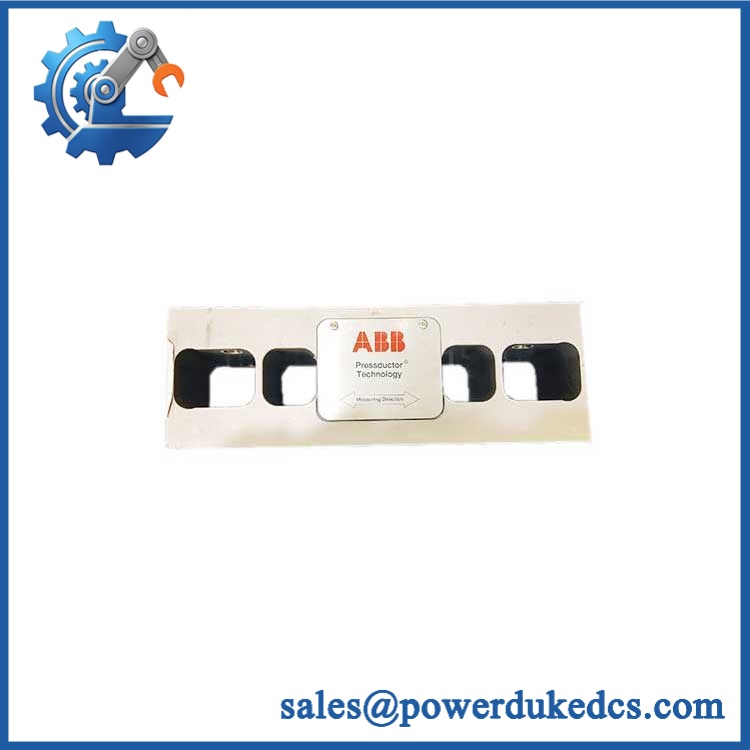
- ABB PFCL201CE-10.0
The PFCL201/PFEA family is intended for force measurement and tension-control applications; the actual measurement range and accuracy depend on the connected load cell and configured system parameters.
Application Scenarios & Pain Points
The main technical concern is measurement stability: if the load-cell signal becomes inaccurate, downstream tension control can react to a value that does not represent the actual web force.
1. Paper and Board Production
On a paper machine, continuous tension measurement helps maintain controlled material handling through different sections of the process. With production speeds reaching several hundred meters per minute, unstable force feedback can produce visible quality problems.
2. Printing Equipment
During high-speed printing, correct web tension helps maintain registration and material tracking. A defective measurement channel can appear as inconsistent tension even when the mechanical drive system is functioning normally.
3. Slitting and Converting
For converting equipment, the force-measurement system provides feedback associated with winding and unwinding operations. Incorrect calibration can lead to loose rolls, telescoping, material deformation, or excessive web stress.
4. Winding and Unwinding Machinery
When roll diameter changes continuously, the control system relies on accurate force information to maintain the intended tension profile. (A sensor electronics problem can therefore be mistaken for a drive-control problem.)
5. Harsh Industrial Environments
In installations exposed to 50°C+ ambient temperatures, technicians should examine cabinet temperature, terminal connections, cable routing, and load-cell wiring before replacing the measurement electronics.
Common Error Codes & Diagnostic Symptoms
No reliable public source establishes dedicated numerical fault codes specifically for . The following are practical measurement-system symptoms that can indicate a hardware problem.
- Symptom/Code: Tension reading fixed at zero or near zero → Diagnosis: Possible loss of load-cell excitation, signal wiring fault, defective input circuitry, or incorrect configuration → Action: Check load-cell wiring and excitation first; replace the measurement module if the hardware fault is confirmed.
- Symptom/Code: Tension value fluctuates without corresponding mechanical changes → Diagnosis: Electrical noise, grounding problems, unstable load-cell connections, or deteriorated measurement circuitry may be affecting the signal → Action: Check shielding, grounding, cabling, load-cell junctions, and the electronics.
- Symptom/Code: Tension measurement remains at an incorrect constant value after calibration → Diagnosis: Incorrect calibration parameters, load-cell mismatch, damaged sensing circuitry, or invalid zero/span data may be present → Action: Verify the complete calibration chain before replacing the module.
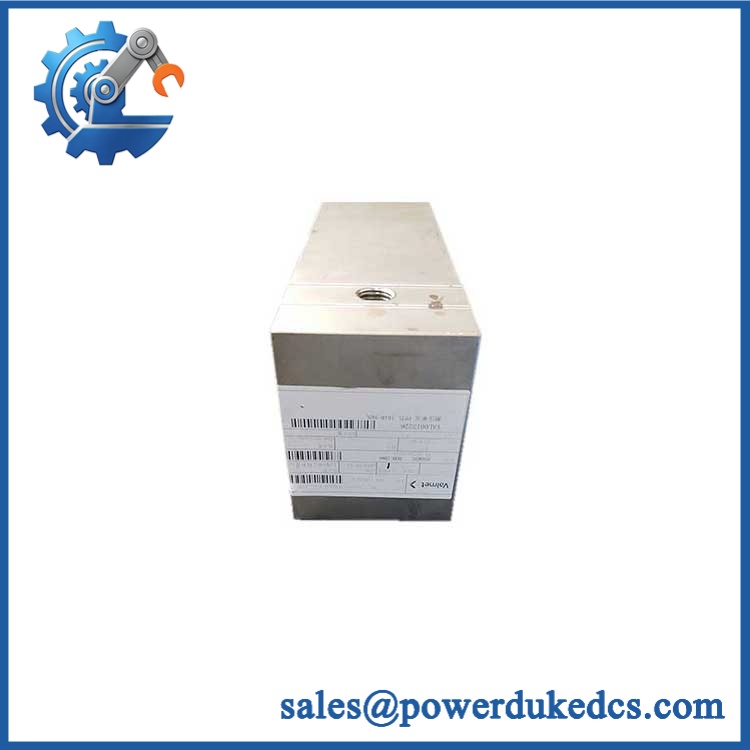
- BB .0
Cross-Reference & Lifecycle Migration
Related Hardware
The PFCL201 designation belongs to ABB’s broader force-measurement product family, while PFEA equipment is used for tension and force measurement applications.
Because ABB offers multiple force-measurement configurations, .0 should not be replaced solely withr unit based on the family name. The following should be checked:
- Complete part/model number
- Configuration suffix
- Connected load-cell model
- Load-cell excitation
- Measurement range
- Input signal characteristics
- Existing calibration parameters
- Controller or drive interface
- Cabinet mounting arrangement
Direct Replacement
A universal drop-in cross-reference for should not be assumed without checking the installed system configuration. Similar-looking force-measurement modules can have different electrical interfaces or calibration requirements.
Firmware / Configuration
The critical replacement issue is generally configuration and calibration, rather than treating the device like a generic PLC I/O module. Before replacing the unit, record zero, span, load-cell information, measurement direction, filtering, and relevant tension-control parameters.
After installation, perform a complete zero/span verification before returning the machine to production.
Lifecycle Status
Lifecycle: Legacy / Mature
/PFEA hardware belongs to an established ABB force-measurement platform. Plants operating older web-processing equipment should consider retaining a tested spare when production downtime from tension-measurement failure would be costly.
Field Engineer’s Tech Notes
Tech Note 1 — Do not calibrate around a bad load cell.
If the measured value is incorrect, first verify the load cell, wiring, excitation, shielding, and mechanical installation. (A technician can accidentally make a faulty sensor appear acceptable by forcing the electronics calibration.)
Tech Note 2 — Check cable shielding and grounding carefully.
Force-measurement signals are susceptible to electrical interference. Keep sensor wiring separated from high-power motor cables where the installation design permits, and verify the specified shielding/grounding arrangement before replacing the .
Strict QA & Testing SOP
For an ABB , a suitable quality-control sequence should include:
- Part Number Verification
Confirm the complete model designation . - Visual Inspection
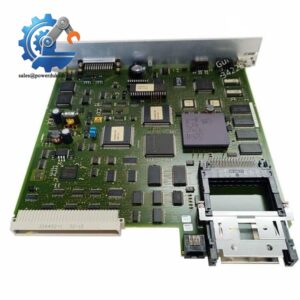
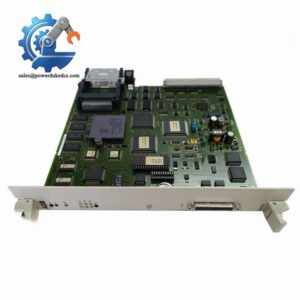
Check the enclosure, PCB assembly, terminals, connectors, labels, and mounting points for physical damage. - Configuration Verification
Record all available identification and configuration information before testing. - Power Supply Test
Apply the specified supply using an appropriate test fixture and verify normal startup behavior. - Load-Cell Interface Test
Connect an approved load-cell simulator or calibrated reference source and verify the measurement input. - Zero Calibration Check
Verify that the electronics correctly recognizes the zero/reference condition. - Span Verification
Apply controlled simulated force signals and compare the measured values against the calibrated reference. - Signal Stability Test
Monitor the measurement output for drift, noise, unexpected fluctuations, or intermittent signal loss. - Interface Verification
Check the applicable output or system interface under controlled operating conditions. - Final Documentation
Record the model, serial information, test values, calibration results, photographs, and inspection status. - ESD-Safe Packaging
Protect the electronic assembly in anti-static packaging with adequate mechanical cushioning.
Test videos can be provided with the inspection record when required.
Buyer’s FAQ
an .0 be hot-swapped?
A: Do not assume hot-swapping is permitted. The module is part of a force/tension measurement system, so isolate the equipment and follow the applicable ABB maintenance procedure before replacement.
Is .0 the same as FCL201 module?
A: No. The complete suffix matters. Different configurations can have different interfaces, measurement characteristics, and application settings. Match the installed part number before ordering.
Q: What should I provide when ordering a replacement?
A: Provide the complete designation, photographs of the existing unit and label, connected load-cell model, and available system information. Load-cell and calibration details are especially useful when verifying compatibility.
Q: Can a New Original unit be supplied with testing documentation?
A: Yes. Request the unit’s identification photographs, condition information, inspection results, and applicable test documentation before shipment. For a tension-measurement component, calibration and functional verification are important parts of acceptance.


 Start Chat