

Description
- Brand: ABB
- Full Model Number: UFC789AE101
- ABB Product ID: 3BHE014023R0101
- Lifecycle Status: OEM catalog item; ABB listing indicates Made To Order
- Core Function in System: Coated FSCD board used as a frequency-converter spare part
- Top 3 Hardcore Specs: FSCD-BOARD, COATED; Product ID 3BHE014023R0101; Net weight 0.25 kg
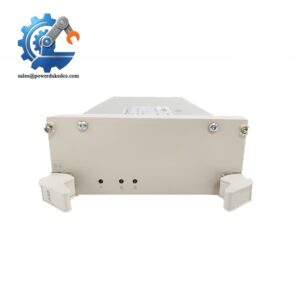
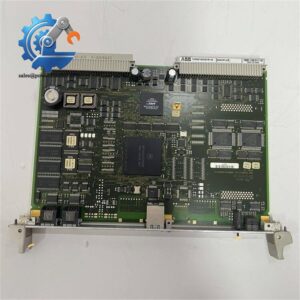
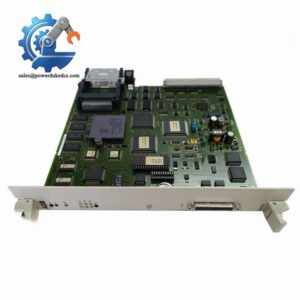
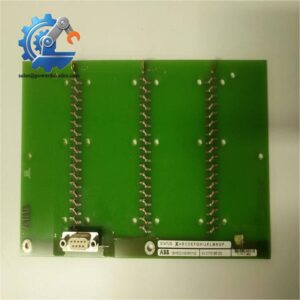
- Physical Form: Open printed circuit board with mounted electrical connectors
- OEM Ordering Detail: Minimum order quantity 1 piece
- Condition & Lead Time: Stock condition subject to physical verification; emergency dispatch available for verified inventory
- Compatibility Control: Exact ABB type designation and full product ID match required before replacement
ABB’s published product record identifies UFC789AE101 as “FSCD-BOARD, COATED”, with Product ID 3BHE014023R0101, a net weight of 0.25 kg, and a minimum order quantity of one piece. The same record marks the item as made to order.
Module 3: Technical Intro & Downtime Impact
A failed control board inside a frequency-converter installation can stop a drive train even when the surrounding cabinet hardware remains serviceable. The ABB UFC789AE101, identified by ABB Product ID 3BHE014023R0101, is specified as a coated FSCD board and is intended as a replacement-level spare rather than a generic control board. Historical shipping records also identify this exact part number as an FSCD board used for frequency converters, making exact part-number verification important before an emergency swap.
For MTTR control, the main advantage is identification accuracy: the technician can verify the ABB type designation UFC789AE101 against 3BHE014023R0101 before touching the cabinet. ABB’s published specification gives a net weight of 0.25 kg, but does not publish memory capacity, nominal supply voltage, or operating-temperature limits in the cited product record; those values should therefore be taken from the applicable converter documentation rather than guessed. —That distinction matters during a breakdown, because an apparently similar board can carry different firmware, connector assignments, or system configuration.
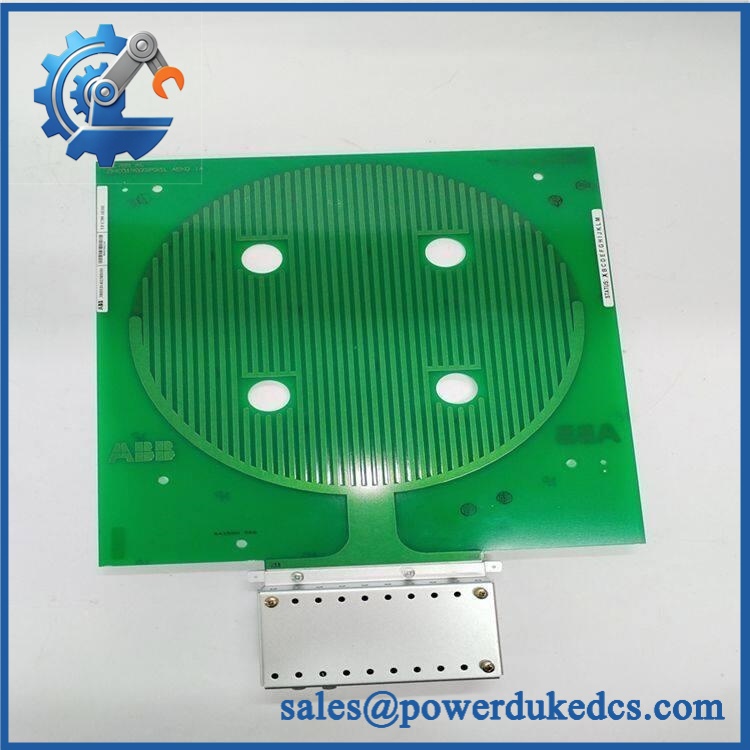
ABB UFC789AE101
Module 4: Dynamic Emergency Swap & Configuration Guide
1. Pre-Swap Prep — Isolate and document
- Apply the converter manufacturer’s shutdown and electrical isolation procedure.
- Verify DC-link discharge and absence of hazardous voltage with a properly rated meter.
- Photograph the installed board from multiple angles before removal.
- Record the exact UFC789AE101 / 3BHE014023R0101 identification and every connected cable or plug.
- Use an ESD wrist strap and antistatic handling materials.
- Have the approved converter wiring diagram and board-layout documentation at the cabinet.
2. Removal — Treat it as a board-level replacement
- Confirm all external power sources are isolated.
- Mark connector positions before disconnecting them.
- Release the board’s retaining hardware or mounting points without flexing the PCB.
- Withdraw the board evenly from its mating connector or backplane interface.
- Inspect the connector contacts for oxidation, contamination, bent pins, or heat damage before installing the replacement.
3. Installation & Configuration — Preserve the original hardware state
- Compare the replacement’s UFC789AE101 and 3BHE014023R0101 markings with the removed board.
- Install the board in the identical physical orientation.
- Reconnect every plug according to the recorded reference photographs and approved wiring documentation.
- Preserve any documented jumper, switch, address, or configuration settings exactly as found; do not assume factory defaults are correct.
- Do not perform a firmware flash simply because a replacement board is being installed. Firmware compatibility must be established from the system documentation and the installed board revision.
4. Power-On Self-Test — Check before returning to process
- Re-energize only after the enclosure, grounding, connectors, and protective covers are verified.
- Observe the board and converter diagnostic indications during startup.
- Look for the expected startup sequence and the absence of persistent fault or error indications.
- Confirm converter communication and control status before releasing the drive to the process.
- Perform a controlled functional test at no-load or minimum permissible load before returning to normal operation.
The available ABB product record describes the item as a coated FSCD board but does not provide a universal LED POST sequence. Use the LED behavior specified for the host converter rather than applying a generic PLC LED interpretation.
Module 5: Quality Assurance & Testing SOP
Our pre-shipment inspection for ABB / 3BHE014023R0101 should treat board identity, physical condition, and electrical integrity as separate acceptance gates.
1. Identity and authenticity inspection
- Verify ABB type designation:
- Verify Product ID: 3BHE014023R0101
- Compare board markings, labels, revision information, and connector arrangement against the documented reference
- Conduct OEM anti-counterfeit visual inspection
- Photograph serial/identification markings for shipment records
- Confirm the board is the FSCD-BOARD, COATED configuration rather than a visually similar board
2. Physical inspection
- Inspect PCB surface for corrosion, contamination, solder damage, lifted components, and cracked connectors
- Check mounting points and connector housings
- Inspect conformal/coating coverage for obvious mechanical damage
- Verify protective packaging and ESD-safe handling
3. Electrical screening
- Perform continuity checks where appropriate to the board design
- Inspect for visible shorting risks or damaged components
- Apply only the test voltage and energized test procedure permitted by the applicable ABB/system documentation
- Record measured values rather than relying on a simple pass/fail label
4. Functional verification
- Perform power-on self-test where a compatible test fixture or host system is available
- Check applicable ERR/RUN or equivalent diagnostic indicators
- Verify communication or control-path behavior when the board is installed in a valid test environment
- Perform I/O full-range simulation only for interfaces actually exposed by the specific system configuration
- Record test date, technician, board identification, test conditions, and results
5. Final release
- QC sign-off after inspection and functional screening
- Antistatic bag or equivalent ESD protection
- Mechanical cushioning around connectors and exposed PCB edges
- Final identification label tied to the inspected part number
- Shipment released only after the inspected unit matches
ABB’s published catalog record confirms the exact designation and identifies the product as a coated FSCD board; it does not define a universal standalone functional-test procedure, so any energized testing should follow the host-system documentation.
Module 6: Maintenance & Reliability FAQ
Q1. Is the ABB a direct drop-in replacement, or does it require a firmware flash?
Do not assume either condition. The replacement must match and the installed system’s applicable board revision and software requirements. A firmware flash should be performed only when the ABB system documentation explicitly requires it. The published ABB record identifies the hardware designation but does not specify a universal firmware version.
Q2. Is it safe to hot-swap the while the system is running?
Do not treat this board as hot-swappable by default. The published product information does not establish a universal hot-swap procedure for . Follow the shutdown, isolation, discharge, and ESD requirements for the host frequency-converter system before removing the board. A running converter can retain hazardous stored energy even after incoming power has been removed.
Q3. Will replacing this board cause my current program or configuration to be lost?
The safest approach is to assume that board replacement can affect hardware-specific configuration even when the application program is stored elsewhere. Before removal, capture all documented parameter settings, jumper or switch positions, board revisions, and system backups that apply to the converter. After replacement, compare the restored configuration against the pre-failure record before returning the equipment to production.
Q4. What should I verify before ordering a replacement?
Check all three identifiers: ABB, , and 3BHE014023R0101. Also compare the board revision, connector arrangement, coating condition, and host-system application. ABB’s catalog specifically identifies 3BHE014023R0101 as the product ID for .
Q5. What are the warranty terms if the replacement fails after installation?
Warranty coverage should be confirmed against the supplier’s written sales terms before purchase. For a critical converter spare, retain the original packaging, identification photographs, installation records, test results, and failure diagnostics. Those records make post-installation failure analysis substantially easier and help distinguish a defective board from a cabinet wiring, power, configuration, or host-system fault.


 Start Chat