

Description
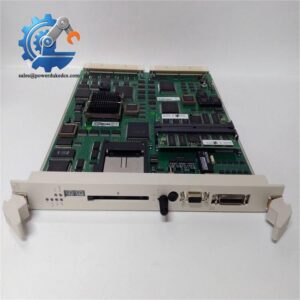
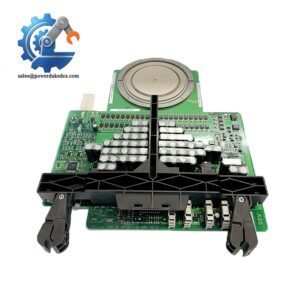
- Model: ABB UNS4681V511
- Brand: ABB
- Series: UNS4681
- Part Type: Industrial Control Board / Electronic Module
- Core Function: Provides dedicated control and interface functionality within the ABB automation hardware architecture associated with the UNS4681 family.
- Key Specs: ABB UNS4681V511 identification, industrial electronic construction, board-level replacement format, and legacy automation-system maintenance application.
- Procurement Note: The complete UNS4681V511 designation should be matched with the original board label and hardware revision before substitution.
Product Introduction
A board-level failure in an older ABB control installation can be difficult to resolve when the original hardware has been in service for many years. The challenge is rarely just locating a similar-looking PCB; the replacement must match the exact hardware designation and system interface.
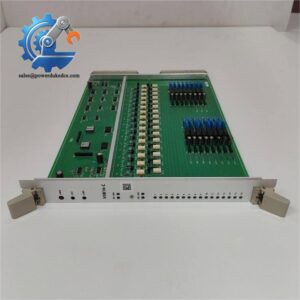
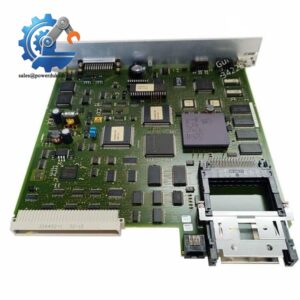
ABB UNS4681V511 is an ABB industrial electronic module identified within the UNS4681 hardware family. The V511 suffix is important because ABB equipment from this generation can have multiple board variants with different hardware configurations.
For maintenance procurement, the safest approach is to treat UNS4681V511 as an exact replacement reference. (Check the complete nameplate and PCB markings before approving a substitute.) This is especially important when supporting legacy ABB control equipment where documentation and aftermarket descriptions may use inconsistent terminology.
Application Scenarios & Pain Points
For a legacy ABB control cabinet, can serve as a replacement board when the installed unit develops an electronic fault. Exact identification is important because neighboring ABB board numbers may look similar while serving different system functions.
In power-generation facilities, electronic control boards often remain in service for many years. A tested spare can reduce recovery time when the original module becomes intermittent or completely nonfunctional.
For process-industry maintenance, replacement planning becomes more important when the installed cabinet has been operating for 15–20 years. Keeping a verified spare can be more practical than waiting for a repair vendor to locate a matching legacy board.
In high-temperature electrical rooms, cabinet conditions can approach 50°C during heavy operation. Verify the actual environmental rating of the installation rather than applying a generic PCB temperature limit.
Common Error Codes & Diagnostic Symptoms
No reliable public source establishes dedicated -specific fault codes, so the following are practical hardware symptoms rather than official ABB error codes:
- Module Not Detected / System Recognition Failure → Diagnosis: Possible board power failure, connector fault, backplane issue, or internal PCB failure. → Action: Verify power and connections, then replace if the board is confirmed defective.
- Intermittent Control or Interface Failure → Diagnosis: Aging components, connector oxidation, cracked solder joints, or unstable board-level circuitry can produce intermittent operation. → Action: Inspect the board and connectors and perform controlled functional testing before replacement.
- Unexpected System Fault After Startup → Diagnosis: A hardware revision, configuration mismatch, or defective replacement board may prevent normal system initialization. → Action: Compare the replacement’s complete part number and revision with the original before commissioning.
Cross-Reference & Lifecycle Migration
Cross-Reference
| Reference | Identification |
|---|---|
| Complete ABB board designation | |
| UNS4681 | Base hardware family |
| ABB | Common procurement/search format |
| UNS 4681 V511 | Spaced representation sometimes used in documentation |
| V511 | Hardware variant designation |
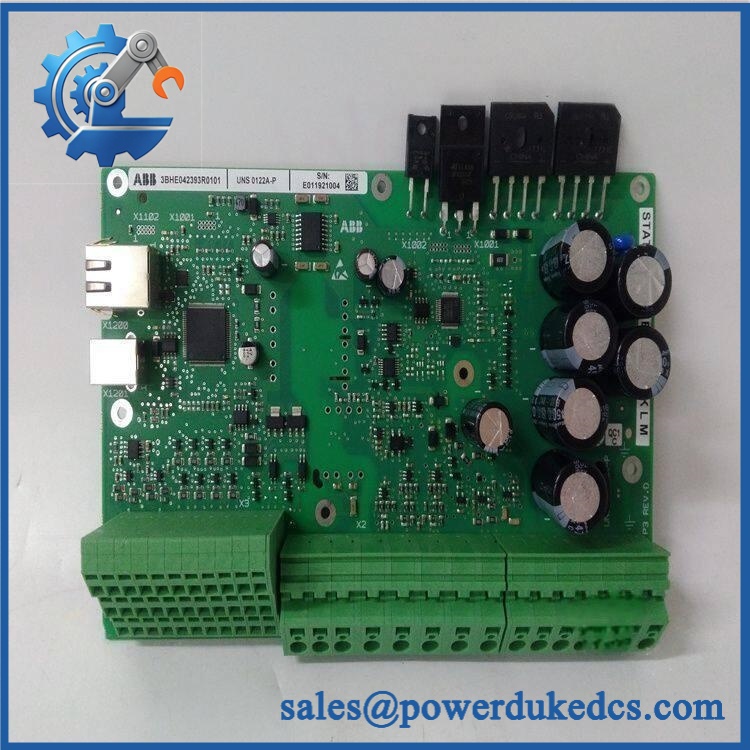
ABB UNS4681V511
No reliable evidence establishes a direct drop-in replacement number for . Similar UNS4681 variants should not be treated as interchangeable without documentation confirming electrical and mechanical compatibility.
Hardware Revision
Before replacement, compare:
- Complete marking
- PCB revision
- Serial number
- Connector arrangement
- Jumper/DIP-switch settings
- Backplane position
- Associated system hardware
Firmware
No specific firmware version or mandatory firmware-flashing procedure has been established for this exact board identification. If the installed system uses configurable firmware or programmable memory, the replacement should be matched to the existing system configuration.
Lifecycle
Recommended procurement status: Legacy / Limited Availability.
For older ABB installations, maintaining a tested spare is useful because repair and aftermarket sourcing may become necessary as OEM availability changes.
Field Engineer’s Tech Notes
1. Photograph the original board before removal.
Do not rely only on the purchase-order description. Capture the complete nameplate, PCB revision, connectors, jumpers, switches, and installation position. This information can be critical if several UNS-series variants are installed in the same cabinet.
2. Do not force the board into the rack.
Older PCB assemblies can have delicate edge connectors and guide hardware. If the replacement does not seat naturally, stop and compare the mechanical configuration rather than applying additional insertion force.
Strict QA & Testing SOP
- Part-number verification — Confirm the marking against the purchase order.
- Nameplate inspection — Record ABB identification, serial number, revision, and manufacturing markings.
- PCB inspection — Examine components, traces, connectors, solder joints, and mounting points.
- Connector inspection — Check contacts for corrosion, bending, contamination, or mechanical damage.
- Revision comparison — Compare the replacement PCB revision with the original installation.
- Configuration inspection — Record all visible jumpers, DIP switches, links, and configuration settings.
- Electrical checks — Perform applicable board-level measurements using an approved test procedure.
- Bench testing — Use a compatible ABB test platform where available.
- System-level verification — Confirm module recognition, communication/interface behavior, and diagnostic status.
- Extended functional test — Monitor the unit for intermittent faults under controlled operating conditions.
- Documentation — Record test results and photographs of the actual tested board.
- ESD packaging — Use antistatic packaging and sufficient shock protection for shipment.
Test videos can be provided when available, showing identification, physical condition, startup behavior, and applicable functional testing.
Buyer’s FAQ
Q1: Can ABB be hot-swapped?
A: Do not assume it is hot-swappable. The correct replacement procedure depends on the host ABB system and rack architecture. Follow the applicable shutdown and electrical-isolation procedure.
A: It should not be classified as a generic PLC CPU based solely on the part number. It is an ABB UNS-series electronic control board/module, and its exact system function should be confirmed against the host equipment documentation.
Q3: Can another UNS4681 variant replace V511?
A: Not automatically. The V511 suffix identifies a specific hardware variant. Verify electrical characteristics, connectors, revision, and system compatibility before considering another variant.
Q4: Does the replacement require firmware programming?
A: No specific firmware procedure has been established from the part number alone. If the host system uses programmable configuration or firmware, match the replacement to the installed system requirements.
Q5: How do I verify the correct ?
A: Compare the complete part number, PCB revision, label information, connector layout, and physical board against the existing unit. Photographs of both boards are useful when confirming a replacement.
Q6: What warranty should I request?
A: Confirm the warranty period and functional coverage in the quotation. For legacy boards, requesting actual-unit photographs and functional test evidence before shipment is also recommended.


 Start Chat