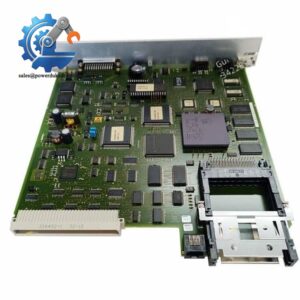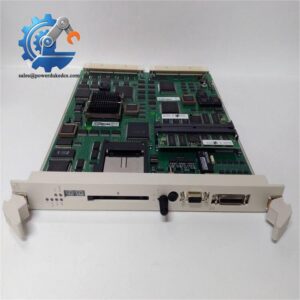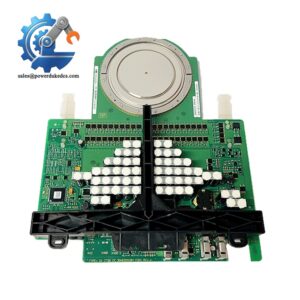
Description
- Brand: ALSTOM
-
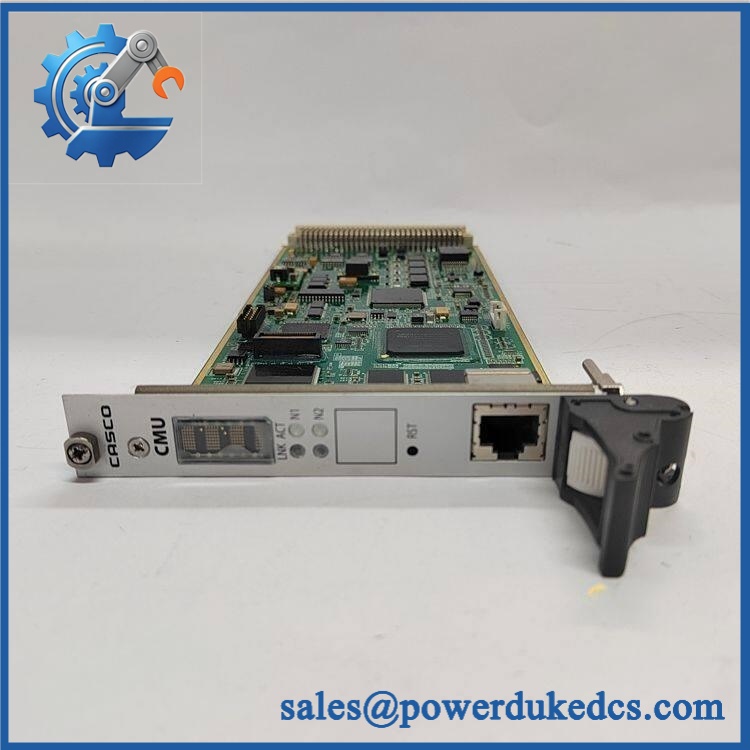
Full Model Number: CMU 42015-115-00
-
Lifecycle Status: OEM lifecycle status unconfirmed; verify support status before purchase
-
Core Function: CMU hardware associated with a platform-specific control and interlocking configuration
-
Top 3 Technical References:
-
Exact hardware designation: 42015-115-00
-
Documented system association: IPS-200 interlocking computer using the CVC-200T safety platform
-
Associated hardware reference: MLU 42015-106-00 in the documented IPS-200 configuration
-
-
System Compatibility: Requires confirmation against the installed system, hardware revision, and applicable configuration documentation
-
Stock and Condition: Physical availability, condition, revision, and quantity subject to confirmation for the quoted inventory lot
-
Electrical Specifications: Supply voltage, power consumption, connector pinout, and communication interfaces require revision-specific documentation
-
Procurement Priority: Maintenance replacement sourcing for an identified existing installation
Obsolescence & Supply Chain Deep Dive
A failed control module can turn a planned maintenance task into an urgent procurement requirement, especially when the installed system depends on an exact hardware revision. The ALSTOM CMU 42015-115-00 is identifiable by its complete part number, and configuration records associate this designation with the IPS-200 interlocking computer using the CVC-200T safety platform. However, some secondary product descriptions associate the same designation with the GEM80 turbine control platform. This inconsistency makes system identification a mandatory purchasing step rather than an administrative detail. Before releasing a purchase order, confirm the installed platform, board markings, hardware revision, and approved replacement documentation.
For an existing installation, an approved like-for-like replacement may avoid the broader costs of a control-system migration. The total cost of ownership (TCO) analysis should account for the component price, freight, engineering review, installation labor, commissioning, and outage exposure. A migration can introduce further work involving application validation, configuration changes, documentation updates, and system-level testing. Those costs may exceed the expense of replacing an isolated hardware component. The comparison is valid only after engineering confirms that the proposed unit belongs to the correct platform and revision family. Do not treat a matching model string as proof of functional or safety compatibility.
Compatibility & Replacement Matrix
The CMU 42015-115-00 requires platform-specific verification before its replacement status can be established. The available configuration references do not justify a universal drop-in replacement claim.
|
Evaluation Item |
Replacement Assessment |
Required Action |
|---|---|---|
|
Replacement classification |
Conditional like-for-like replacement |
Match the installed part number, hardware revision, platform, and approved configuration |
|
System association |
IPS-200/CVC-200T documented; conflicting secondary descriptions also reference GEM80 |
Resolve the system identity against equipment records and OEM documentation |
|
Software compatibility |
Not independently verified |
Confirm applicable software, firmware, configuration, and revision requirements |
|
Hardware modification |
Cannot be determined without the target configuration |
Check rack position, board dimensions, connectors, pin assignments, and electrical requirements against approved documentation |
|
Power requirements |
Not confirmed |
Obtain the applicable technical manual or approved hardware specification |
|
Communication interfaces |
Not confirmed for the exact revision |
Verify backplane, data exchange, and external interface requirements where applicable |
|
Preliminary engineering review |
Budget approximately 2–4 labor hours for part identification and document comparison |
Planning allowance only; complex configurations may require more time |
|
Installation and commissioning |
Site-specific |
Establish an approved maintenance window and verification plan before scheduling the exchange |
|
Replacement cost |
Quotation required |
Include the part, freight, engineering time, testing, commissioning, and outage-related costs |
Field Traps: Checks Before Purchase
Platform identification mismatch
The designation CMU 42015-115-00 appears in IPS-200/CVC-200T configuration records, while another published product description associates it with the GEM80 VME system.
This discrepancy must be resolved before ordering. Request clear photographs of the installed unit, its complete identification label, and the proposed replacement. Check the applicable bill of materials and system revision.
Unverified electrical and interface characteristics
Do not assume that an apparently similar board uses the same supply voltage, pin assignments, bus signaling, or connector arrangement. These properties must be established from the relevant technical documentation. Never use generic specifications from unrelated modules to approve this component.
Safety-related configuration changes
Where the CMU is installed in a railway interlocking or another safety-related system, the responsible engineering team must approve the replacement and restoration procedure. Preserve applicable configuration records and follow the authorized commissioning process. A successful power-up is not sufficient evidence of correct system operation.
Quality Assurance & Testing SOP
Pre-shipment quality assurance should establish the unit’s identity, physical condition, and functional status using procedures appropriate to the confirmed hardware revision. The inspection report must distinguish completed tests from checks that could not be performed because compatible test equipment or documentation was unavailable.
|
QA Stage |
Inspection or Test Action |
Acceptance Criteria |
|---|---|---|
|
Product identification |
Conduct an OEM anti-counterfeit visual inspection of labels, part markings, revision identifiers, connectors, and board construction |
Identification is consistent with the quoted part; unexplained discrepancies are documented |
|
Physical inspection |
Examine the PCB, connector contacts, mounting features, solder joints, and visible components |
No disqualifying damage, corrosion, contamination, or unexplained modification |
|
Documentation review |
Compare the part number and revision with the customer’s configuration records and available technical documentation |
Product identity and intended application are sufficiently established for the agreed inspection scope |
|
Electrical pre-check |
Inspect for visible shorts, damaged components, and connector defects; perform electrical checks only with suitable procedures |
No detected fault under the approved inspection method |
|
Power-on self-test (POST) |
Use a compatible approved test setup; observe power, diagnostic, or ERR/RUN indicators where fitted and documented |
Observed behavior agrees with the applicable product documentation |
|
Backplane or interface test |
Test communication through the compatible rack or approved test fixture when supported |
Expected communication and diagnostic responses are obtained |
|
Functional verification |
Run the documented functional test procedure for the identified hardware revision |
Test results meet the applicable acceptance criteria |
|
I/O load testing |
Perform only if the confirmed design includes applicable I/O functions and an approved test method |
Relevant channels meet their documented requirements; no unsupported loading is applied |
|
Final release inspection |
Record the part number, visible revision, physical condition, completed test results, and packaging photographs |
Unit-specific inspection record is available before shipment |
Safety and test limitations: Do not load unverified power or signal connections, bypass interlocking logic, or introduce forced states into a live safety system for inspection purposes. Use an approved fixture or designated test environment. If full functional verification cannot be performed, disclose the limitation and report only the checks actually completed.
The pre-shipment report should identify the unit tested and the inspection date. It should not imply that the module has passed complete system-level validation unless that work was performed using the appropriate hardware and approved procedure.
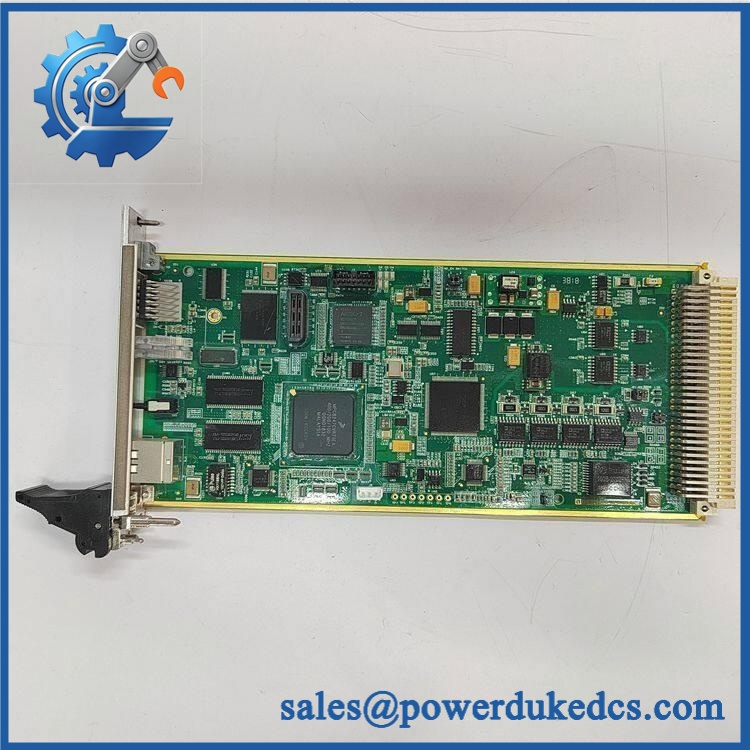
ALSTOM CMU 42015-115-00
Procurement & Lifecycle FAQ
Is the ALSTOM CMU 42015-115-00 in stock, and what is the cutoff for emergency shipping?
Current availability must be confirmed against the physical inventory lot. Request the available quantity, condition, hardware revision, inspection evidence, and committed dispatch date before issuing the purchase order.
Emergency shipping depends on order approval, payment arrangements, completion of the agreed inspection, destination, and carrier collection times. Obtain a written order cutoff and dispatch commitment. Same-day shipment should not be assumed without confirmation.
How do you verify the condition and authenticity of this component?
The proposed quality process includes identification-label inspection, physical examination, revision comparison, and functional testing when a compatible test arrangement is available. Photographs of the actual unit and its markings should be supplied for buyer review.
Request traceability records where available and a unit-specific inspection report. The quotation should clearly distinguish new original stock, new surplus, and used or refurbished inventory. These condition categories are not interchangeable.
Are there compatibility issues engineers should review before issuing the purchase order?
Yes. The most important issue is confirming the target platform. Published information associates this designation with IPS-200/CVC-200T configuration records, while another product description identifies it with GEM80. Resolve the discrepancy through the installed hardware label, system bill of materials, and applicable OEM documentation.
Engineers should also confirm the hardware revision, power requirements, connector assignments, firmware or software prerequisites, and commissioning procedure. Do not authorize a replacement based on the model number alone.
What warranty and return terms apply?
Warranty duration, coverage, exclusions, and return eligibility must be stated in the supplier’s quotation or pro forma invoice before purchase. Confirm the procedure for reporting defects, the applicable claim period, and the evidence required for assessment.
Returns should be handled under an agreed return authorization procedure. Keep product labels, revision markings, packaging, and inspection records intact so the delivered unit can be matched to the purchase order.
What should procurement provide to receive an accurate quotation?
Provide the complete model number, required quantity, installed system identification, hardware revision, clear photographs of the existing unit, destination, and required delivery date.
For safety-related installations, include the applicable configuration or bill-of-materials reference where permitted. Ask the supplier to confirm condition, available test evidence, warranty, dispatch commitment, and return terms in writing. These details support a more meaningful TCO comparison and reduce the risk of procuring hardware that cannot be approved for the intended system.