

Description
- Brand: GE
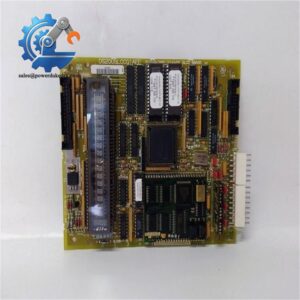
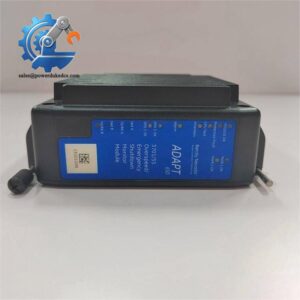
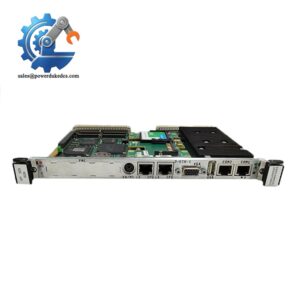
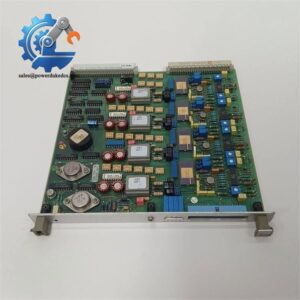
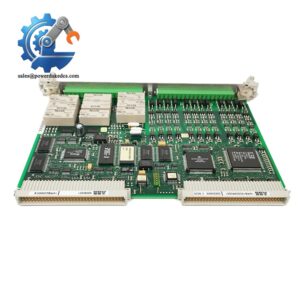
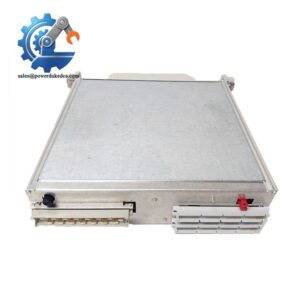
- Full Model Number: IS200AEPAH1BKE + IS215WEPAH2BB
- Lifecycle Status: Legacy / Obsolescence-Risk
- Core Function: Wind turbine pitch-axis control and associated Mark VI control electronics
- Top 3 Technical Specs: AEPA functional board; WEPA Wind Energy Pitch Axis hardware; 30/40 Nm non-CANbus pitch-axis application
- Stock & Condition: New surplus / tested refurbished — verify exact board revision and assembly pairing before PO
GE documentation and distributor references identify the WEPA family as Wind Energy Pitch Axis hardware, with IS215WEPAH2BB listed among the non-CANbus 30/40 Nm pitch-axis PCB variants. The IS200AEPAH1BKE is the associated AEPA Mark VI PCB, and the exact revision code matters for compatibility.
Module 3: Obsolescence & Supply Chain Deep Dive
A failed pitch-axis control board can take a turbine out of service even when the broader Mark VI control system remains healthy. The IS200AEPAH1BKE + IS215WEPAH2BB combination belongs to GE’s Mark VI turbine-control hardware family, with the WEPA board associated with wind-energy pitch-axis applications. The IS215WEPAH2BB is documented as a board capable of simplex or triple-redundant Mark VI applications, while the IS200AEPAH1BKE provides the AEPA board hardware with an associated auxiliary-board interface.
From a TCO perspective, sourcing the correct legacy assembly can avoid a much larger turbine-controls migration. Existing cabinet wiring, pitch-control engineering, application logic, I/O assignments, and commissioning procedures may remain substantially intact. That can reduce engineering labor and outage exposure compared with replacing the control architecture. The procurement risk is revision-specific: IS200AEPAH1BKE is explicitly identified by functional revision B, functional revision K, and artwork revision E, so a different AEPA revision should not be treated as automatically interchangeable.
Module 4: Compatibility & Replacement Matrix
| Procurement Check | Assessment | Engineering Action |
|---|---|---|
| Replacement Type | Drop-in Replacement only for a matching installed assembly and revision | Verify both part numbers and revision markings |
| Software Compatibility | Configuration-dependent | Check Mark VI application, firmware, I/O mapping, and pitch-control parameters |
| Hardware Modification | Normally none for the exact assembly | Confirm VME rack position, connectors, auxiliary-board arrangement, and field wiring |
| Typical Switch Time | Approx. 4–8 hours | Reserve additional time for pitch-axis functional testing |
| Estimated Engineering / Testing Cost | Approx. 1,000–4,000 | Include I/O verification and controlled turbine commissioning |
| Full Controls Migration | Major engineering and outage project | Evaluate only when exact legacy hardware cannot be sustained |
Field Traps — Watch Out
Revision mismatch: IS200AEPAH1BKE is not simply an AEPA family number. The documented board carries B/K/E revision identifiers, and available technical references warn that revision differences can affect compatibility or installation requirements. Match the complete label before issuing the PO.
CANbus versus non-CANbus application: GE’s ESS line card separates WEPA 30/40 Nm CANbus versions from non-CANbus versions and lists IS215WEPAH2BB in the non-CANbus group. Do not substitute a CANbus variant simply because its board family looks similar.
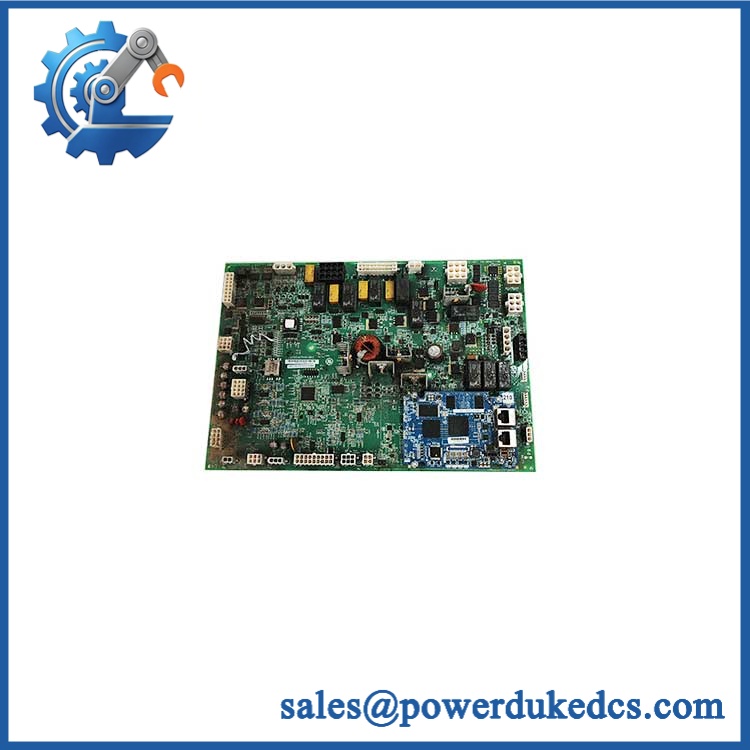
GE IS200AEPAH1BKE IS215WEPAH2BB
Module 5: Quality Assurance & Testing SOP
A wind-turbine pitch-axis PCB assembly should receive documented component inspection and controlled functional testing before shipment.
1. Incoming inspection
- Record both complete part numbers and all available serial/date codes.
- Perform OEM anti-counterfeit visual inspection.
- Inspect PCB surfaces, connectors, daughterboard interfaces, mounting hardware, and terminal areas.
- Check for corrosion, contamination, cracked components, damaged traces, bent pins, and unauthorized rework.
- Verify conformal coating condition on the where applicable.
2. Assembly and revision verification
- Confirm .
- Record functional, hardware, and artwork revision markings.
- Verify the auxiliary-board arrangement and connector engagement.
- Confirm the WEPA configuration is appropriate for the installed non-CANbus pitch-axis application.
- Photograph each identification label for traceability.
3. Power-on testing
- Install the assembly in a compatible Mark VI test configuration.
- Apply controlled system power.
- Perform power-on self-test (POST).
- Check board status indications and diagnostic conditions.
- Confirm the host control system recognizes the expected hardware without initialization faults.
4. Signal and I/O testing
- Apply calibrated simulated analog signals to applicable AEPA inputs.
- Verify all required input channels respond within established limits.
- Exercise applicable digital inputs and outputs.
- Perform I/O load testing on relevant control circuits.
- Verify processor-to-I/O communication.
- Check applicable pitch-axis control signals and fault responses under controlled conditions.
5. Final QC
- Record measured values, board revisions, serial numbers, and test date.
- Generate a unit-specific Test Report.
- Verify the physical assembly against the customer’s requested configuration.
- Package using ESD protection, mechanical cushioning, and moisture protection.
- Apply final QC identification before dispatch.
Module 6: Procurement & Lifecycle FAQ
Is the GE + IS215WEPAH2BB genuinely in stock, and what is the emergency-shipping cutoff?
Availability should be confirmed against the actual two-board assembly rather than a generic GE Wind listing. Emergency shipment depends on completed QC, payment/order clearance, warehouse processing, and the daily courier pickup cutoff.
How do you guarantee the condition and authenticity of these obsolete wind-control boards?
Require complete part-number and revision verification, PCB inspection, connector inspection, controlled power-up, host-system recognition testing, I/O testing, and a serial-numbered Test Report. Actual photographs of the supplied boards should be part of the procurement record.
Are firmware and revision compatibility issues important before issuing the PO?
Yes. Record the installed Mark VI application version, hardware revisions, I/O configuration, pitch-control parameters, and board identification before replacement. The revision structure is particularly important because the available reference identifies B/K/E revision values and warns that revision differences can affect compatibility.
Can I substitute another IS215WEPA board?
Not without an engineering comparison. GE’s published component listing separates different WEPA variants by application, including CANbus and non-CANbus versions. IS215WEPAH2BB is specifically listed in the non-CANbus 30/40 Nm group.
What warranty and return terms should procurement require?
Specify both part numbers, board revisions, serial numbers, tested condition, warranty duration, DOA definition, acceptance period, and return procedure in the PO. For a pitch-control assembly, functional acceptance testing should carry more weight than visual appearance alone.


 Start Chat