

Description
- Brand: GE Multilin
- Full Model Number: URSHA
- Standard Designation: UR-SHA
- System/Series Family: GE Multilin Universal Relay
- One-Sentence Core Function: High-voltage power-supply module providing operating power for GE Multilin Universal Relays and their dry-contact input circuits
- Top 3 Hardcore Specs: 125–250 VAC/DC nominal input; 48 VDC dry-contact excitation; 45 W high-power generation
- Generation: Third-generation UR-SH power supply
- Form Factor: Horizontal 19-inch rack configuration with harsh-environment coating
- Stock Status: New Surplus / Fully Tested Refurbished subject to actual inventory inspection
Module 3: Commercial-Technical Deep Dive
When a Universal Relay cabinet suddenly loses its front-panel display, communications, and input status at the same time, the power module is an obvious place to investigate. The GE Multilin URSHA, designated UR-SHA, is the third-generation high-voltage power-supply module for the GE Universal Relay family. Available technical references identify the module as a replacement for the earlier UR-1H and UR-RH generations and associate the A configuration with a horizontal 19-inch rack implementation using harsh-environment coating. The high-voltage version is intended for Universal Relay systems requiring approximately 125–250 VAC/DC nominal input.
The meaningful improvement is power capacity and thermal management rather than processing capability. Secondary technical documentation identifies the UR-SH generation with approximately 45 W power capability versus about 35 W for earlier generations, along with a reported 28% efficiency improvement, automatic over-temperature shutdown around 105 °C, and 2300 VAC isolation, compared with 2000 VAC on earlier designs. The module also provides 48 VDC for dry-contact inputs and uses front-panel LEDs for supply-status indication. For a replacement project, however, the relay’s actual nameplate and power-system documentation should govern the permitted input voltage; secondary sources are inconsistent about detailed electrical operating ranges.
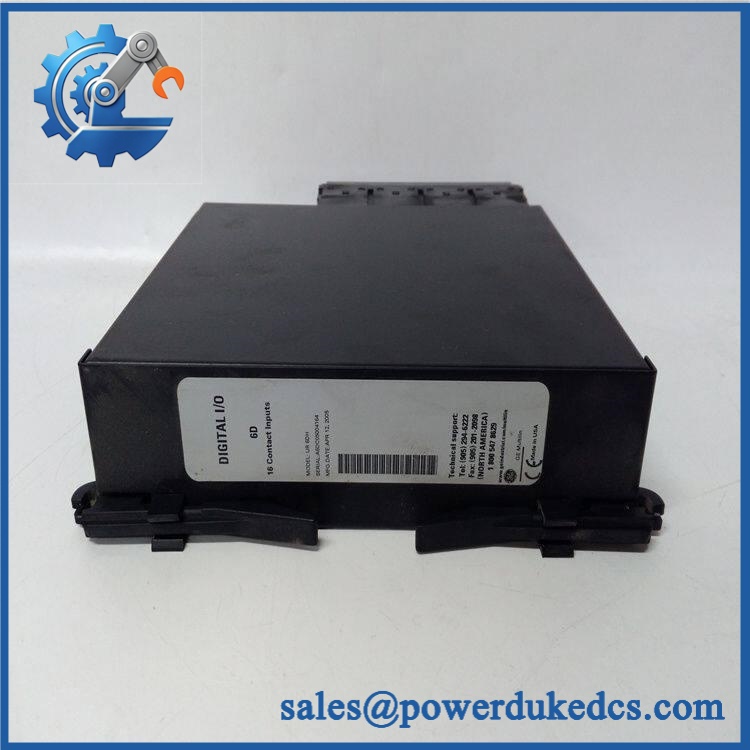
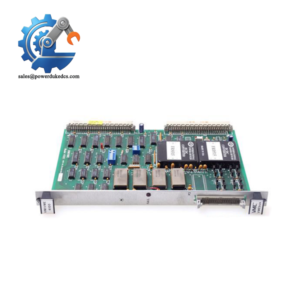
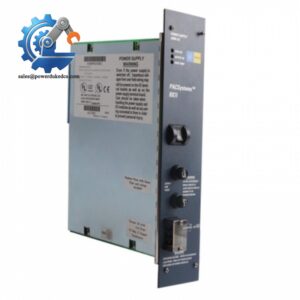
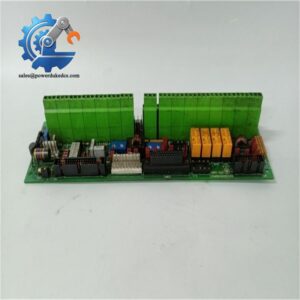
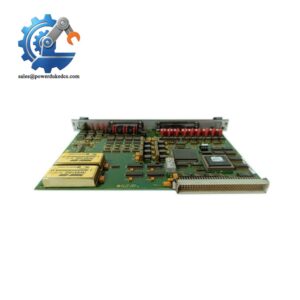
GE URSHA UR-SHA
Module 4: Compatibility & Installation Traps
Migration/Compatibility
- Replacement status: GE Multilin UR-SHA Universal Relay Power Supply
- Logic rewrite: Not required. The UR-SHA is a power-supply assembly, not the relay application processor.
- Firmware flash: Not applicable to the power-supply module.
- Drop-in status: Potentially direct when replacing a matching UR-SHA in the same Universal Relay chassis and power configuration.
- Generation: Third-generation UR-SH design, intended to replace earlier UR-1H and UR-RH power modules.
- Input class: 125–250 VAC/DC nominal for the high-voltage configuration.
- Dry-contact supply: 48 VDC output for relay dry-contact inputs.
- Mechanical configuration: The A configuration is identified as a horizontal 19-inch rack implementation with harsh-environment coating.
⚠️ Field Traps (Watch Out)
- High-voltage input verification: Confirm whether the installed relay cabinet uses AC or DC control power and verify the actual nominal value before energizing. Do not assume every UR-SHA installation uses the same source.
- Dry-contact circuit separation: The module supplies 48 VDC for dry-contact input circuits. Do not mistake this auxiliary supply for the relay’s main control-power input.
- Older-generation substitution: UR-1H, UR-RH, and UR-SHA belong to different power-supply generations. Use the documented replacement relationship rather than selecting a module solely by physical appearance.
- Thermal clearance: The module incorporates over-temperature protection, but a cabinet with blocked ventilation can still cause nuisance shutdowns or shortened component life.
- Polarity and source isolation: For DC-powered installations, verify polarity and isolate the station supply before removing the module.
Module 5: Quality Assurance SOP
Before shipment, the GE URSHA / UR-SHA should undergo a dedicated power-supply inspection:
- OEM anti-counterfeit visual inspection — verify GE Multilin markings, URSHA / UR-SHA designation, nameplate information, enclosure construction, connectors, and environmental-coating condition.
- Mechanical inspection — inspect the chassis, mounting hardware, terminal connectors, cooling openings, LEDs, and PCB surfaces for impact, corrosion, contamination, or unauthorized modification.
- Configuration verification — confirm the A-form horizontal rack configuration where applicable.
- Controlled input test — energize the module using an isolated laboratory source matched to the verified AC/DC input requirement.
- Power-on self-test (POST) — verify startup behavior and front-panel power/status indications.
- Main supply-output verification — measure the relay operating-power output under no-load and controlled-load conditions.
- Dry-contact supply verification — confirm the 48 VDC auxiliary supply for dry-contact inputs using calibrated instrumentation.
- Load test — apply a representative electronic load within the approved rating and monitor output stability.
- Protection verification — where the test setup permits, verify controlled response of the over-temperature or protection circuitry.
- Thermal observation — monitor temperature rise under sustained representative load.
- Status-indicator verification — confirm LED indications correspond correctly to normal and controlled fault conditions.
- Final QC record — document exact model, input source, measured output values, load-test duration, temperature observations, photographs, and packaging condition.
A power module should not be accepted because the relay starts once. Output regulation, dry-contact supply performance, sustained-load behavior, thermal response, and protection status are the meaningful acceptance checks.
Module 6: CRO-Driven Buyer FAQ
1. Is GE URSHA obsolete, and how do I verify an authentic replacement?
The UR-SHA is a legacy third-generation GE Multilin Universal Relay power-supply module and is still actively referenced in current industrial technical and sourcing documentation. It is specifically identified as the UR-SH generation replacement for earlier UR-1H and UR-RH modules. Verify the complete UR-SHA marking, power-supply configuration, physical form factor, and relay chassis compatibility before purchase.
2. Can I hot-swap the URSHA?
Do not assume hot-swap capability. The module is connected to potentially hazardous AC/DC station power. Shut down the applicable relay circuit, isolate the supply, verify absence of voltage, and follow site LOTO procedures before removal.
3. Does replacing URSHA require reprogramming the Universal Relay?
No. The UR-SHA supplies power; it does not contain the relay’s protection settings or application logic. After replacement, verify the relay boot sequence, measured control voltage, dry-contact supply, communications, and protection status before returning the relay to service.
4. What input and output voltages are associated with URSHA?
Available technical references identify the high-voltage UR-SHA configuration as 125–250 V nominal and provide 48 VDC for dry-contact inputs. Because secondary references differ on exact operating-range details, use the physical nameplate and the applicable GE Universal Relay documentation for the installed unit before energizing.
5. How does UR-SHA differ from older UR power supplies?
UR-SHA is identified as the third-generation UR-SH design replacing first-generation UR-1H and second-generation UR-RH modules. Available technical references report approximately 45 W versus 35 W for earlier generations, along with improved efficiency, approximately 2300 VAC isolation, and over-temperature shutdown around 105 °C.
Warranty and Technical Support
Warranty duration should be stated according to the actual inventory condition, such as new surplus or tested refurbished. Technical support should cover exact UR-SHA identification, Universal Relay chassis compatibility, AC/DC input verification, 48 VDC dry-contact supply testing, thermal inspection, and documented pre-shipment QA. Relay protection commissioning and energized substation maintenance remain the responsibility of qualified protection personnel.


 Start Chat