

Description
- Brand: GE / VMIC
- Full Model Number: VMIVME-3122
- System/Series Family: VMIC VMEbus Industrial I/O
- One-Sentence Core Function: VMEbus analog input board for acquiring process and instrumentation signals in legacy industrial control and data-acquisition systems
- Top 3 Hardcore Specs: VMEbus architecture; analog input acquisition; board-level industrial I/O integration
- Stock Status: New Surplus — stock confirmation required
Technical Product Introduction
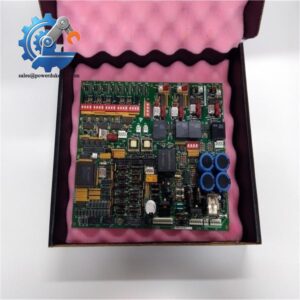
The GE VMIVME-3122 is a VMEbus analog input board intended for legacy control, instrumentation, and industrial data-acquisition architectures where analog field signals must be brought into a VME-based computer or controller. Its value in a maintenance environment is primarily architectural: the board preserves the existing VME I/O layer without forcing a complete migration of the host chassis, application software, and field wiring.
For replacement work, the important engineering variables are the exact VMIVME-3122 hardware revision, input configuration, signal range, channel utilization, VME addressing, and software driver environment. The board should therefore be matched against the installed unit and system documentation before procurement. Where the original VME platform remains serviceable, replacing the failed I/O board can avoid the larger engineering effort associated with converting a functioning legacy acquisition system to a newer bus architecture.
Application Scenarios & Field Realities
- Legacy process-data acquisition: Suitable for VME-based systems collecting analog measurements from plant instrumentation where the host CPU and chassis remain in operation.
- Industrial test equipment: Useful when an established VME test platform requires replacement analog acquisition hardware without redesigning the complete rack.
- Machine monitoring systems: Can serve as the analog I/O layer in older machine-control architectures where sensor and transducer signals are already wired to a VME enclosure.
- VME lifecycle extension: Particularly relevant when the application software, VME backplane, and associated interface boards remain serviceable but an analog I/O card has failed.
A field engineer should verify the original board label before installation. VMIC boards with similar numbering can have materially different I/O functions, electrical interfaces, or firmware requirements.
Migration, Compatibility & Installation Traps
Replacement Matrix
| Replacement Criterion | VMIVME-3122 Assessment |
|---|---|
| Drop-in Replacement | Conditional — verify board revision, connector configuration, I/O specification, and VME system requirements |
| Software Compatible | Conditional — verify the existing driver, register map, application configuration, and operating environment |
| Hardware Modification Required | Normally no for an exact replacement; modifications may be required when changing board variants or migrating to another I/O architecture |
Installation Traps
Input specification mismatch: Do not assume that a physically compatible VME analog board accepts the same signal ranges as the installed VMIVME-3122. Check the existing field transmitter output, scaling, and application configuration before energizing the replacement.
VME addressing conflicts: Confirm the board’s configured address and system resource allocation before installation. A replacement board that powers up correctly can still fail at the application layer if its VME resources conflict with another installed module.
Connector and wiring verification: Compare the replacement board’s connector arrangement against the removed unit before reconnecting field wiring. Label-by-label verification is preferable to relying only on chassis slot position.
Legacy software dependency: Preserve the existing configuration and driver environment before removing the failed card. If the replacement has a different hardware revision, verify register-level behavior and application recognition before returning the system to production.
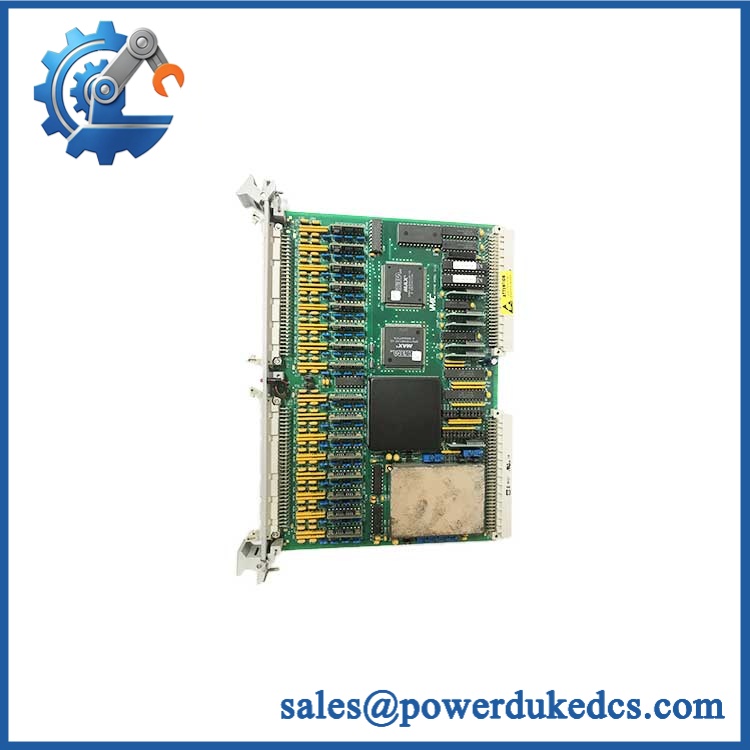
GE VMIVME-3122
Quality Assurance SOP
Every VMIVME-3122 supplied from surplus inventory should pass a documented inspection sequence before shipment:
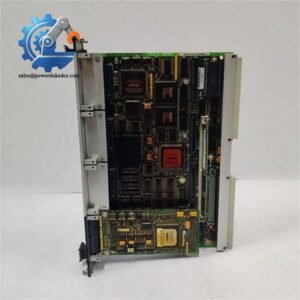
- OEM Visual Inspection — inspect board markings, GE/VMIC identification, model number, revision information, PCB condition, connectors, components, and evidence of unauthorized rework or counterfeit labeling.
- Part-Number Verification — compare the physical identification label with the ordered configuration and record the hardware revision where visible.
- Mechanical Inspection — check the VME edge connector, front-panel hardware, mounting points, board surface, and connector integrity.
- Power-On Self-Test (POST) — energize the board in an appropriate VME test environment and monitor available ERR/RUN or status indicators for abnormal behavior.
- VMEbus Recognition Test — verify that the test chassis and host controller can access the board at the expected VME resources without bus errors.
- Analog Input Verification — apply controlled test signals within the applicable input specification and confirm that the acquired values are detected correctly by the host system or test software.
- Channel Verification — exercise the required input channels individually where the test fixture permits, checking for abnormal offsets, unstable readings, or channel-to-channel anomalies.
- Communication / Handshake Verification — confirm successful host-to-board register access and normal VMEbus data transactions.
- Configuration Check — verify address settings, application recognition, scaling parameters, and other installation-dependent settings before final release.
- Final QA Record — photograph the physical identification, record test results, confirm packaging condition, and retain the inspection record with the shipment.
For an obsolete VME installation, the replacement decision should be based on the exact board revision, field-signal requirements, host software, and VME resource configuration, not model-number similarity alone.



 Start Chat