

Description
- Brand: Honeywell Analytics
- Full Model Number: 05701-A-0405
- Lifecycle Status: Discontinued / Legacy
- Core Function: System 57 16-way AC-to-DC power supply unit
- Top 3 Technical Specs: 50 W nominal output; 24 VDC ±10% output; 85–264 VAC or 110–340 VDC input
- Stock & Condition: New Surplus / Tested Refurbished; physical stock confirmation required; emergency dispatch subject to order cutoff
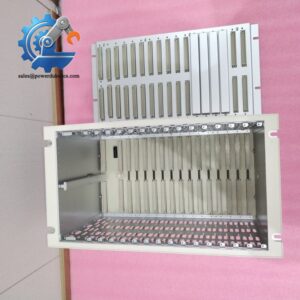
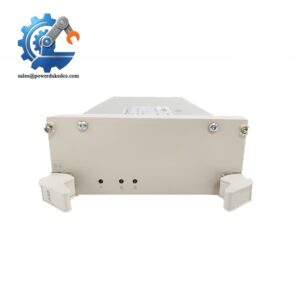
Honeywell documentation identifies 05701-A-0405 as the 16-way AC-to-DC power supply unit for System 57. The assembly is 1U high, 19-inch rack mounted, and contains one 50 W switched-mode power supply module.
Module 3: Obsolescence & Supply Chain Deep Dive
When a System 57 installation loses its 05701-A-0405 power unit, the failure can affect an entire rack rather than a single field channel. This model provides the primary AC-to-DC conversion for the 16-way System 57 arrangement, delivering a nominal 24 VDC output. Honeywell specifies an input range of 85–264 VAC at 47–440 Hz or 110–340 VDC, making it suitable for the original System 57 power architecture. The documented unit is now treated as discontinued by independent inventory sources, so replacement planning should account for shrinking legacy stock.
From a TCO perspective, replacing the failed PSU is usually far less expensive than redesigning an operating System 57 cabinet. Existing detector controllers, rack hardware, field wiring, and commissioning records can remain in service. The 05701-A-0405 also supports expansion: Honeywell documents internal provisions for increasing capacity beyond the standard 50 W by adding additional 50 W modules, with the 16-way architecture supporting expansion up to 200 W using the specified upgrade components. That can extend the useful life of an installed rack without forcing a complete control-system migration.
Module 4: Compatibility & Replacement Matrix (Crucial for Buyers)
| Purchase / Migration Case | Compatibility Assessment | Typical Switch Effort |
|---|---|---|
| Replace failed 05701-A-0405 with the same part number | Drop-in Replacement | 1–2 hours including isolation, installation, and output verification |
| Replace with another System 57 16-way 50 W PSU of the same electrical and mechanical specification | Software Compatible / Hardware Form-Fit Review Required | 2–4 hours |
| Upgrade the existing 16-way PSU from 50 W to 100 W | Hardware Modification | 2–6 hours |
| Expand the 16-way PSU architecture toward 150–200 W | Hardware Modification + Load Review | 4–12+ hours |
| Replace the System 57 power architecture with a newer platform | Hardware Modification | 1–3+ days depending on cabinet and re-engineering scope |
Honeywell’s System 57 documentation specifically associates 05701-A-0405 with the 16-way, 50 W AC-to-DC configuration and lists 05701-A-0440 as the additional 50 W power module used for upgrades.
Field Traps — Watch Out
Input Voltage Verification: Do not energize the replacement until the cabinet supply has been confirmed. The specified operating range is 85–264 VAC or 110–340 VDC. Applying a source outside the documented range can damage the PSU or create an unsafe installation condition.
Output Capacity: A replacement 50 W unit is not automatically sufficient for every expanded System 57 rack. Honeywell documents expansion in 50 W blocks, so the engineering team should calculate the actual 24 VDC load before choosing a standard or upgraded configuration.
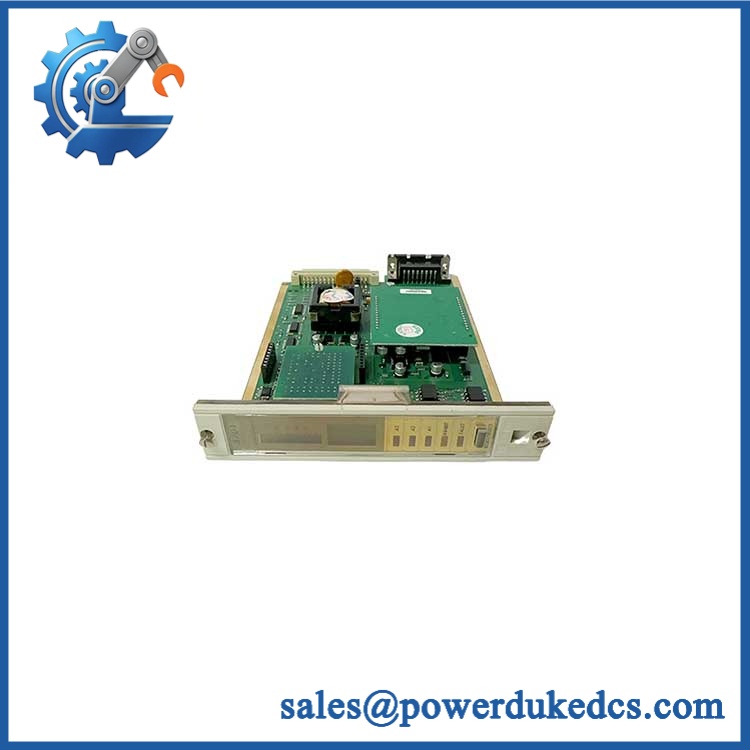
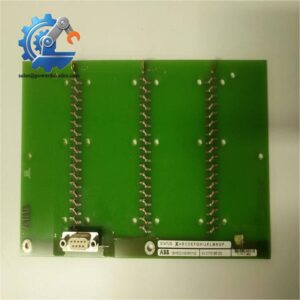
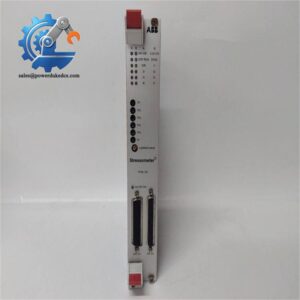
Honeywell 05701-A-0405
Module 5: Quality Assurance & Testing SOP
1. Part Identity Verification
Record the complete 05701-A-0405 part number, manufacturer marking, serial or lot information, revision data, and any visible factory labels. Confirm that the physical assembly corresponds to the 16-way System 57 configuration.
2. OEM Anti-Counterfeit Visual Inspection
Inspect nameplates, enclosure construction, connectors, terminal arrangements, fasteners, PCB markings, and internal module identification where accessible. Any inconsistent labeling or unauthorized modification requires rejection or engineering review.
3. Mechanical Inspection
Verify the 1U enclosure, 19-inch mounting geometry, front-panel condition, rear connection points, mounting hardware, and internal module retention. Check for corrosion, impact damage, loose components, or heat discoloration.
4. Electrical Safety Checks
Perform grounding-continuity testing, insulation-resistance testing where appropriate to the test procedure, and visual inspection of the mains input section. Verify there are no exposed conductors, damaged insulation, or compromised terminals.
5. Power-On Test
Apply a controlled AC input within the specified operating range. Monitor start-up behavior, current draw, output stability, abnormal noise, and thermal response. Confirm the regulated DC output remains within the documented 24 VDC ±10% range.
6. Load Testing
Connect a calibrated electronic load and test the PSU progressively toward its rated 50 W output. Record output voltage, current stability, temperature rise, and protection behavior.
7. Protection Verification
Verify overload and overvoltage protection under controlled laboratory conditions. Honeywell documentation states that the power-supply modules are overload protected and designed for connection together during capacity upgrades.
8. Extended Burn-In
Operate the unit under representative load for an extended test interval. Monitor output drift, temperature behavior, intermittent faults, and recovery after controlled power cycling.
9. Final QC Record
Record input test conditions, output voltage, load current, measured temperature, inspection findings, serial information, and final QC disposition. Package using suitable ESD and mechanical protection before shipment.
Module 6: Procurement & Lifecycle FAQ
Q1. Is Honeywell 05701-A-0405 genuinely in stock, and what is the cutoff for emergency shipping?
This is a discontinued System 57 component, and inventory varies by supplier. One current listing classifies it as discontinued, while another currently advertises limited stock with a stated 1–3 working day shipment window. For emergency procurement, physical stock should be verified before PO release, with same-day dispatch based on the confirmed order cutoff and carrier schedule.
Q2. How do you guarantee the condition and authenticity of an obsolete or surplus PSU?
Require exact part-number verification, manufacturer-marking inspection, chassis inspection, grounding and insulation checks, controlled power-up, regulated-output measurement, load testing, and documented QC results. For a legacy power supply, electrical test records provide substantially more useful evidence than cosmetic grading alone.
Q3. Are there firmware compatibility issues engineers should check before issuing the PO?
The 05701-A-0405 is a power-supply unit, not a software-configured CPU or controller, so firmware is not the primary compatibility issue. Engineers should instead verify the System 57 rack type, mains input, 24 VDC load requirement, connector arrangement, and whether the cabinet uses a 50 W, 100 W, 150 W, or 200 W expanded power configuration.
Q4. Can I substitute 05701-A-0406 for 05701-A-0405?
No, not as a routine drop-in substitution. Honeywell identifies 05701-A-0406 as the 8-way AC-to-DC power supply, while 05701-A-0405 is the 16-way configuration. The mechanical form factor and rack application differ, so the installed cabinet must be checked before substitution.
Q5. What warranty and return terms should procurement require?
Specify a written functional warranty and RMA process on the quotation and PO. For surplus or refurbished power supplies, the coverage should state the warranty period, acceptance-test conditions, return window, and exclusions for installation errors, incorrect input v


 Start Chat