

Description
- Brand: Honeywell
- Full Model Number: EMM ST/N/01
- Associated Model: AC-EMMY-2
- Lifecycle Status: Legacy / Obsolete
- Core Function: Memory / expansion module for legacy Honeywell automation hardware
- Top 3 Technical Specs: AC-EMMY-2 designation; ST/N/01 revision/configuration; Plug-in industrial control module
- Stock & Condition: New Surplus / Used Tested / Fast Dispatch subject to physical stock confirmation
Available references consistently identify Honeywell EMM ST/N/01 as the AC-EMMY-2 module and describe it as a memory module; some current listings also describe the same hardware as an expansion module.
Module 3: Obsolescence & Supply Chain Deep Dive
For a legacy Honeywell installation, a failed EMM ST/N/01 can become a sourcing problem far sooner than the value of the module itself would suggest. The available identification records associate EMM ST/N/01 with AC-EMMY-2 and consistently classify it as a memory module used within older Honeywell automation hardware. Because this is an older platform component, procurement often encounters inconsistent descriptions, incomplete revision data, and limited physical inventory. That makes exact-part verification essential before releasing a purchase order.
The TCO case favors an exact-match replacement when the host system remains serviceable. Replacing the memory/expansion module can avoid a broader controller or system migration, preserve existing engineering configuration, and reduce outage-related labor. Current secondary-market records show both used and new/open-box examples of AC-EMMY-2 / EMM ST/N/01, indicating that replacement inventory still exists, but condition and configuration vary by unit. For a critical legacy system, paying a premium for a tested exact-match spare may be materially cheaper than an emergency redesign.
Module 4: Compatibility & Replacement Matrix
| Engineering Check | Assessment for EMM ST/N/01 |
|---|---|
| Replacement Classification | Drop-in Replacement only for the matching Honeywell host configuration |
| Software Compatibility | Configuration-dependent; no generic firmware-flash requirement established |
| Hardware Modification | Normally not required for an exact-match installation |
| Associated Model | AC-EMMY-2 |
| Module Type | Memory / expansion module |
| Identification Code | ST/N/01 |
| Typical Replacement Time | 30–90 minutes for a trained technician, assuming the host system is prepared |
| Commissioning | Power-up, memory recognition, configuration validation, and host-system functional verification |
| Substitution Strategy | Use an exact AC- match unless the system documentation explicitly approves another revision |
The available references do not provide enough reliable evidence to claim universal electrical ratings, memory capacity, firmware revision compatibility, or a direct replacement part number. Those values should be taken from the installed system documentation or the module label before procurement. Current listings separately identify EMM ST/N/01, , and “memory module” terminology, which supports the identification but not a complete interchangeability specification.
⚠️ Field Traps — Watch Out
Revision mismatch: The ST/N/01 designation should be treated as part of the ordering identity. Do not approve a substitute solely because it is also labeled Honeywell EMM. Compare the module label, PCB revision, connector layout, and host-system documentation.
Memory configuration mismatch: A physical fit does not prove functional compatibility. Confirm the host controller’s expected memory architecture and configuration retention behavior before installing an alternative revision.
Battery condition: Some current listings describe AC- with a battery module. For previously installed inventory, verify battery condition and any retention requirements before commissioning. A degraded backup battery can create a separate reliability issue even when the module electronics pass testing.
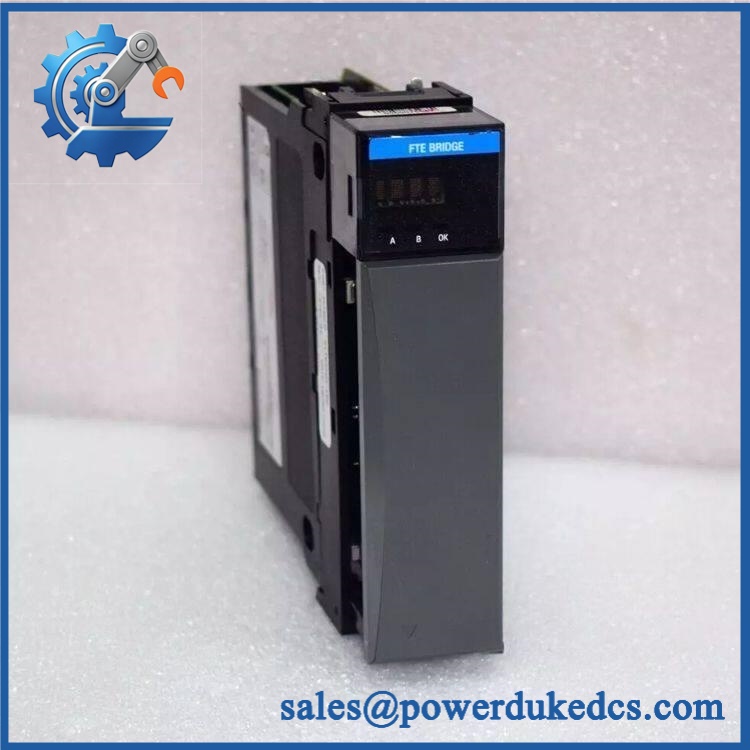
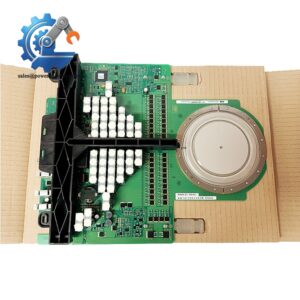
Honeywell EMM ST/N/01
Module 5: Quality Assurance & Testing SOP
For EMM ST/N/01, QA should concentrate on exact identification, memory integrity, connector condition, and correct operation in the intended host platform.
1. OEM anti-counterfeit visual inspection
Verify Honeywell markings, EMM, ST/N/01, , PCB identifiers, revision markings, connector geometry, and component layout. Photograph every identification label before testing.
2. PCB and mechanical inspection
Inspect the board for corrosion, contamination, cracked solder joints, damaged connectors, bent contacts, burned components, and evidence of unauthorized repair. Check mounting hardware and card-edge interfaces.
3. Power-path inspection
Before installation, check the board for shorted supply paths or abnormal resistance using a calibrated multimeter. Verify that no obvious component damage exists.
4. Power-on self-test (POST)
Install the module in a compatible Honeywell test assembly and apply controlled power. Confirm that the host system recognizes the module without abnormal fault indications, repeated resets, or excessive current draw.
5. Memory-recognition test
Verify that the host system correctly identifies the installed memory/expansion module and can read the expected memory area without errors.
6. Configuration-retention test
Where the host system permits it, write a controlled test configuration, power down, restart, and verify that the expected information remains available. This is particularly important for a legacy memory-related module.
7. Communication and system-function test
Operate the host automation system under representative conditions and verify that the EMM does not introduce communication errors, initialization faults, or configuration corruption.
8. Battery verification
Where the AC- configuration includes a battery, inspect battery condition and measure the relevant battery voltage using the applicable service procedure. Replace or reject batteries that fall outside the manufacturer’s specified limits.
9. Extended soak test
Run the module under representative operating conditions for an appropriate period while monitoring supply stability, temperature, error indications, and memory recognition.
10. Final QC record
Record the exact part number, ST/N/01 identification, AC- designation, PCB revision, serial information where available, test results, battery condition where applicable, photographs, and final QC disposition.
Module 6: Procurement & Lifecycle FAQ
Is EMM ST/N/01 genuinely in stock, and what is the cutoff for emergency shipping?
Current market references show physical examples of EMM ST/N/01 / AC-, including both used and new/open-box inventory. That does not establish your supplier’s actual warehouse quantity. For an emergency requirement, confirm exact quantity, revision, condition, test status, and same-day dispatch cutoff before issuing the PO.
How do you guarantee the condition and authenticity of an obsolete or surplus EMM ST/N/01?
Require exact label verification, PCB inspection, connector inspection, controlled power-up, host-system recognition testing, memory read/write verification, and configuration-retention testing. Where the supplied AC- includes a battery module, require battery-condition verification as part of the QC report.
Are there firmware compatibility issues I should warn my engineers about before issuing the PO?
The primary concern is host-system compatibility rather than a simple firmware upgrade. Verify the installed Honeywell platform, module revision, memory architecture, connector arrangement, and configuration requirements. Current references do not provide enough evidence to state that every EMM ST/N/01 revision is universally interchangeable.
Can another Honeywell memory module replace EMM ST/N/01?
Do not assume interchangeability. Honeywell has numerous legacy memory and processor-related modules with different hardware identities. An alternative should be approved only after comparing its part number, revision, electrical characteristics, memory architecture, and host-system compatibility against the installed assembly.
What warranty and return terms should procurement require?
For obsolete or surplus inventory, require written warranty coverage for the specific tested EMM ST/N/01, including DOA provisions, return authorization, inspection period, and the remedy for failure during commissioning. The commercial documents should also state whether the supplied unit is new surplus, open-box, used, refurbished, and whether a battery is included.



 Start Chat