

Description
- Brand: Honeywell
- Full Model Number: XS824-25
- Lifecycle Status: Discontinued / Legacy
- Core Function: Terminal socket for pluggable relay and floating-output I/O modules
- Top 3 Technical Specs: Push-in terminal design; 6 relay positions; integrated cross connector
- Compatible Modules: XF824, XFL824, XFR824, XFLR824
- System Family: Honeywell Excel 800 / Excel Web I/O
- Electrical Role: Field wiring interface; not an electronic relay-output module
- Accessories: Connector, swivel label, cross connector
- Stock & Condition: New Surplus / Tested Used — physical stock confirmation required
Honeywell documentation identifies XS824-25 as the terminal socket used with the XF824, XFL824, XFR824, and XFLR824 relay-output modules. The socket includes the connector, swivel label, and cross connector.
Module 3: Obsolescence & Supply Chain Deep Dive
A missing XS824-25 can stop a seemingly simple relay-output repair because the socket is part of the physical field-wiring interface. This is not the six-relay electronic module itself. It is the terminal base that accepts the compatible relay-output module and provides the field connection points. Honeywell specifies XS824-25 for XF824, XFL824, XFR824, and XFLR824 installations, with six changeover-relay positions arranged in two relay blocks. That distinction matters during procurement: ordering an XF824 replacement does not automatically solve a damaged or missing terminal socket.
For an operating Excel 800 installation, retaining the existing socket architecture can avoid field rewiring, panel changes, and unnecessary I/O replacement. Honeywell’s documentation shows the XS824-25 as the dedicated terminal interface for these relay-output modules, including the cross-connection arrangement used by the relay blocks. Secondary lifecycle records currently classify XS824-25 as discontinued by the manufacturer, which makes verified spare inventory increasingly useful for maintenance planning. —For an urgent outage, the value comes from exact fit and immediate availability, not from substituting a superficially similar terminal base.
Module 4: Compatibility & Replacement Matrix
| Approval Question | Assessment for Honey |
|---|---|
| Component Type | Terminal socket / field wiring base |
| Replacement Type | Drop-in replacement when the existing installation |
| Compatible Relay Modules | XF824, XFL824, XFR824, XFLR824 |
| Mounting Interface | Dedicated socket interface for the compatible pluggable relay modules |
| Terminal Style | Push-in terminal socket |
| Cross Connector | Included; removable depending on wiring arrangement |
| Software Requirement | None |
| Firmware Requirement | None |
| Hardware Modification | Normally none for an e replacement |
| Typical Field Swap | 30–90 minutes for an accessible, documented installation |
| Engineering Effort | Low for exact replacement; higher when changing socket or relay-module family |
Honeywell documentation explicitly l as the push-in terminal socket for XF824, XFL824, XFR824, and XFLR824.
Field Traps — Watch Out
- Socket vs. module confusion: is the terminal socket, not the active relay-output electronics. The compatible electronic modules F824, XFL824, XFR824, and XFLR824.
- Cross-connector voltage error: Honeywell documentation warns that cross connectors should only connect relay contacts carrying the same voltage. Low-voltage and line-voltage circuits must be separated according to the wiring arrangement.
- Connector style mismatch: is the push-in version. Do not substitute XSU824-25 without checking the required terminal technology and existing wiring method. Honeywell identifies XSU824-25 as the screw-type counterpart.
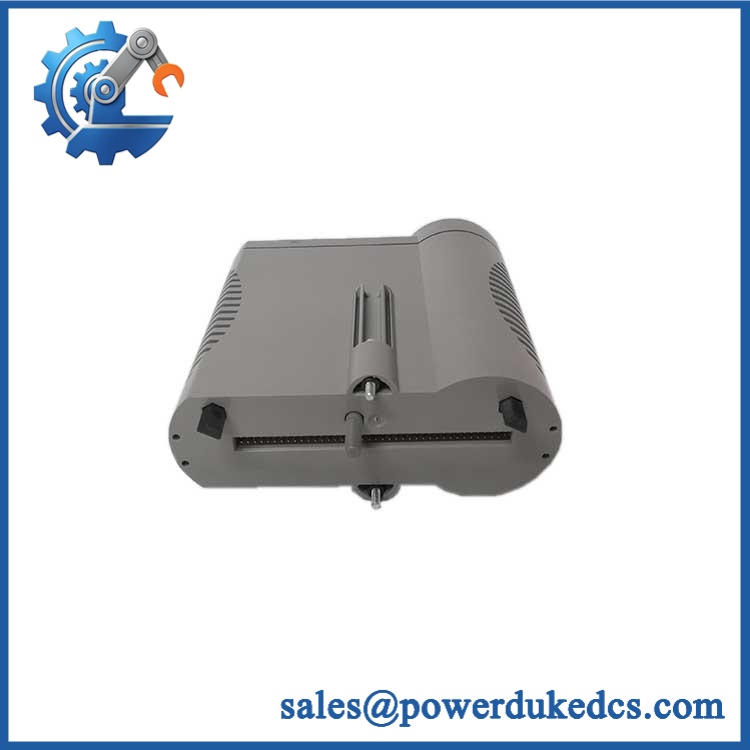
Honeywell XS824-25
Module 5: Quality Assurance & Testing SOP
Bec is a passive terminal interface, QA should focus on mechanical integrity, terminal condition, correct mating, and electrical continuity rather than firmware.
1. Identity & Authenticity Inspection
- Verify Honeywell markings and the complete part number.
- Perform OEM anti-counterfeit visual inspection of the housing, terminal geometry, labels, molded markings, and connector interfaces.
- Record serial or lot information where present.
- Photograph the socket before testing.
2. Mechanical Inspection
- Inspect all terminal positions for deformation, cracking, contamination, oxidation, or heat damage.
- Verify the module retention mechanism.
- Check the DIN-rail or panel mounting interface where applicable.
- Confirm the cross connector is present and undamaged when included with the supplied configuration.
3. Terminal Continuity Testing
- Check continuity across every applicable terminal path.
- Verify there are no unintended shorts between neighboring circuits.
- Confirm the cross-connector path against the documented terminal arrangement.
- Record resistance readings for the tested contact paths.
4. Module-Mating Test
- Install a compatible /-family module into the socket.
- Confirm positive mechanical engagement.
- Inspect for loose fit, excessive insertion force, or contact instability.
- Remove and reinstall the module to verify repeatable seating.
5. Electrical Safety Check
- Inspect separation between low-voltage and line-voltage connection areas.
- Verify that the installed cross-connection arrangement matches the intended circuit voltage.
- Perform appropriate insulation and dielectric checks where the test setup and application require them.
6. Final QC Release
- Record part number, condition, test date, inspector, and test results.
- Apply a QC identification label.
- Package the socket to prevent terminal deformation and ESD-related exposure to adjacent electronic modules during shipment.
Honeywell’s published material identi as a terminal socket for relay outputs and shows the associated terminal and cross-connection structure.
Module 6: Procurement & Lifecycle FAQ
Q1. Is Honey genuinely in stock, and what is the emergency-shipping cutoff?
Physical inventory should be confirmed against the exact designation before the PO is released. For emergency maintenance, require confirmation of the actual quantity available, condition, photographs, and same-day carrier cutoff. A listing for a generic Excel 800 socket is not sufficient.
Q2. How do you verify the condition and authenticity of a sur?
The unit should undergo part-number verification, OEM marking inspection, terminal and housing inspection, continuity testing, cross-connector inspection, and mating verification with a compatible relay-output module. For used inventory, inspect every terminal position rather than relying on the external housing condition.
Q3. replace the terminal socket already installed in my Excel 800 panel?
Yes, when the existing base is specific and the installation uses the compatible relay-output module family. Honeywell lists , , , and as compatible modules.
Q4. require firmware configuration?
is a passive terminal socket, so there is no firmware to flash or software version to match. The engineering check is electrical and mechanical: confirm the correct socket type, module family, terminal arrangement, and relay-circuit voltage.
Q5. What warranty and return protection should apply to an obsolete terminal socket?
The quotation should define the warranty period, return authorization process, and coverage for cracked housings, defective terminals, incorrect part numbers, or damage discovered during installation. For surplus stock, require written confirmation that the supplied unit is the exact version and has passed pre-shipment inspection.




 Start Chat