

Description
- Model & Brand: METSO 445550
- Part Type: Pneumatic Valve Actuator
- Application: Metso industrial valve actuation
- Exact Identification: Metso part 445550
- Physical Dimensions: Exact OEM dimensions were not reliably identified in the available public sources.
- Estimated Net Weight: Not reliably verified; obtain the physical-unit data before creating a freight master record.
- Estimated Shipping Weight: Do not use a guessed value for commercial freight. Confirm packed weight from the actual unit.
- What’s in the Box: 445550 actuator assembly unless the purchase order explicitly includes the valve, mounting hardware, accessories, or actuator service kit.
- Compliance Record: Preserve the actuator nameplate, serial number, actuator/valve combination, and any manufacturer certificate supplied with the unit.
A current 2026 procurement record specifically identifies Metso 445550 as a pneumatic actuator for a Metso valve, providing useful independent confirmation of the part’s basic function.
Product Introduction
For a Metso process valve, the 445550 is the pneumatic actuation hardware that converts the available instrument-air command into mechanical valve movement. Unlike an electronic I/O card, its installation suitability depends heavily on the mechanical valve interface, actuator travel, air connection arrangement, and the force/torque requirement of the driven valve.
From an asset-management perspective, this part should be controlled by the complete part number and physical identification, not by the generic description “Metso actuator.” Metso operates an installation-specific spare-parts catalog intended to identify parts by equipment and part number, which is particularly relevant when several actuator variants look similar but have different mechanical interfaces.
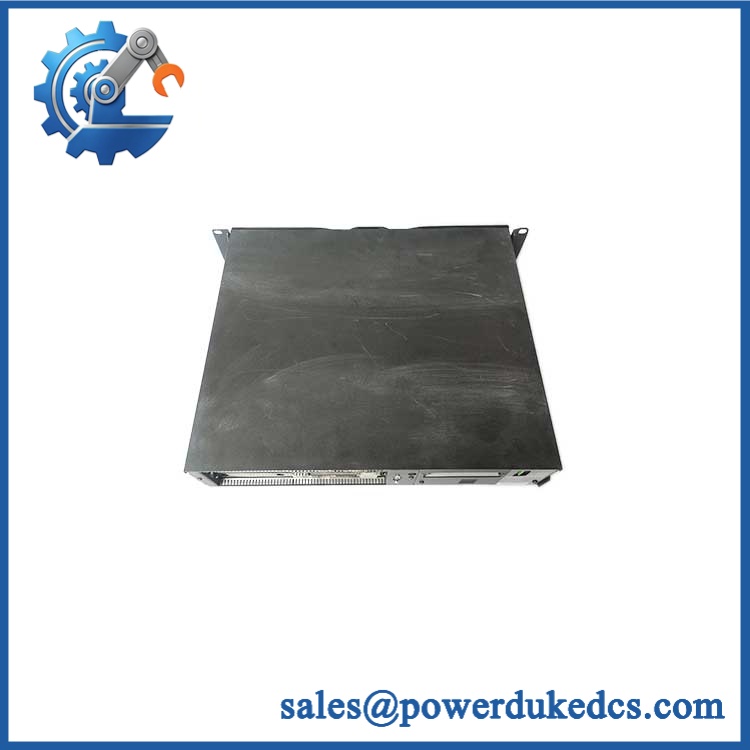
METSO 445550
Global Compliance & Industry Certifications
For METSO 445550, the available public evidence confirms the actuator function but does not establish a standalone certificate set for this exact part number.
- CE Mark: Verify against the complete valve/actuator assembly and the applicable market configuration. Do not assume that a CE-marked valve assembly makes the loose actuator independently CE-certified.
- UL/cUL: No standalone UL/cUL listing was reliably verified for part 445550.
- ATEX / IECEx: Do not classify the actuator as suitable for hazardous areas without the applicable actuator/valve assembly documentation. Hazardous-area approval can depend on the actuator, accessories, solenoid arrangement, and complete installation.
- Marine / DNV: No specific DNV approval was reliably established for 445550.
- Pressure Equipment Considerations: The actuator itself is pneumatically operated, but regulatory treatment can depend on whether it is supplied as part of a regulated valve assembly.
- Manufacturer Traceability: Metso’s current spare-parts platform emphasizes installation-specific identification and part-number control, which is appropriate for audit records involving replacement equipment.
For customs and plant audits, retain the nameplate image, serial number, valve association, manufacturer documentation, and applicable conformity records together.
Verify specific lot certifications with OEM.
Long-Term Storage & Asset Preservation Guide
Protect the pneumatic ports from contamination. Keep the original protective caps installed whenever possible. Dust, machining debris, or moisture entering an actuator’s air passage can later contaminate valves, seals, and control components.
Store the actuator dry and away from condensation. A controlled warehouse target below 60% RH is prudent for long-term storage, especially where exposed steel hardware, shafts, fasteners, or mounting interfaces are present. Use sealed packaging and desiccant where the storage environment requires it.
Do not cycle the actuator repeatedly while it is in stores. Unnecessary stroking can move seals away from their settled position and introduces contamination opportunities through temporary pneumatic connections. Before release to the field, inspect the actuator body, shaft/lever mechanism, air ports, mounting surfaces, and identification plate.
Preserve the original mechanical configuration. Do not remove brackets, adapters, couplings, or positioner interfaces during warehouse inspection. Those parts may be specific to the mating Metso valve.
Physical Installation Prerequisites
The 445550 should be treated as a valve-specific pneumatic actuator, not as a universal actuator that can be fitted to any Metso valve.
Mounting: Verify the bolt pattern, coupling geometry, shaft orientation, travel, and actuator mounting bracket against the valve assembly before installation.
Air supply: Confirm the required instrument-air pressure and air quality from the applicable Metso valve/actuator documentation. Do not apply shop air directly until the pressure requirement and connection arrangement have been established.
Tubing: Inspect pneumatic tubing for contamination, moisture, and correct port assignment. A reversed supply/exhaust arrangement can make a mechanically correct actuator appear defective.
Clearance: Maintain adequate mechanical clearance around the actuator for full travel, linkage movement, manual intervention, and maintenance access. Do not add a generic 50 mm requirement when the valve assembly’s certified installation drawing specifies another dimension.
Environment: Protect the actuator from water ingress, corrosive process chemicals, excessive vibration, and temperatures outside the documented assembly limits.
Grounding: A pneumatic actuator does not normally provide an electrical protective-earth function. Any positioner, solenoid, limit switch, or other electrically powered accessory must be grounded according to its own installation requirements.
Valve matching: Confirm the actuator’s available force or torque against the valve’s required operating force. This is the most important compatibility check after exact part-number verification.
Buyer’s FAQ — Logistics & Compliance Focus
Q: What HS Tariff Code should I use for METSO 445550?
A: Because 445550 is identified as a pneumatic valve actuator, classification can depend on whether customs treats the shipment as a standalone actuator or as a dedicated part of a valve assembly. A heading in HS 8412 may be relevant for pneumatic power engines and motors, while valve-specific classification can differ when the item is imported as an identifiable part of a valve assembly. The broker should validate the final national tariff code against the actual commercial description and tariff schedule.
Q: What Country of Origin should I declare?
A: Use the actual manufacturing origin supported by the actuator nameplate or Metso documentation. Do not use the seller’s warehouse country as COO. For audit-controlled inventory, retain the COO statement with the invoice, packing list, and serial/asset identification.
Q: Do I need shipping insurance for one pneumatic actuator?
A: It is advisable when the actuator is tied to a critical process valve or is difficult to replace. Pneumatic actuators are mechanically susceptible to impact around the mounting flange, coupling, shaft, and air ports. Use rigid packaging, protection for all pneumatic openings, moisture protection, shipment tracking, and cargo insurance based on the documented replacement value.
Q: Does METSO 445550 include the latest firmware pre-loaded?
A: No firmware should be expected in the actuator itself. Any intelligent positioner, electro-pneumatic converter, or valve controller attached to the actuator would be a separate device with its own configuration and firmware. Before releasing a replacement, verify the complete actuator/valve assembly configuration rather than treating 445550 as an electronic control module.




 Start Chat