

Description
- Model: LDU-RM1
- Brand: Metso
- Associated Manufacturer: Dametric
- Metso VAL No.: VAL0122977
- SKC No.: SKC9068232
- Product Type: Limit Display Unit / RMS internal monitoring module
- System: RMS-EX1 Refiner Monitor System
- Board Dimensions: 220 × 100 × 35 mm
- Mounting Width: 7 TE
- Supply Voltage: +24 VDC ±10%
- Maximum Current: 0.12 A
- Internal Rails: ±12 VDC and +5 VDC, isolated from input supply
- Display: Two 4-digit LED displays, each showing approximately -999 to 9999
- Controls: 5 pushbutton switches
- RMS Interface: RS-485 to PDU-RM3 or operator panel
- Analog Input: ±200 VDC common-mode range, 12-bit resolution, 0–8 VDC range
- Estimated Shipping Weight: Not specified in the available technical manual; verify packed weight for freight quoting
- What’s in the Box: LDU-RM1 module; cables, mounting hardware, and printed documentation only when explicitly included in the PO
- Storage Packaging: ESD shielding bag plus rigid protection around the LED/display face
The RMS-EX1 manual identifies LDU-RM1, VAL0122977, SKC9068232 as the system’s Limit Display Unit and places it inside the RMS-EX1 rack alongside the motor, vibration, position, and pressure-monitoring modules.
Product Introduction
Structure B — Architecture Hook
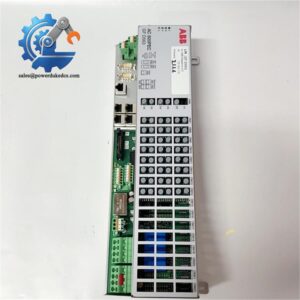
Within the RMS-EX1 refiner monitoring system, the Metso LDU-RM1 is the rack-mounted Limit Display Unit. It receives measurement information from the RMS monitoring architecture, provides two four-digit LED displays and five front-panel switches, and communicates through an RS-485 connection to the external PDU-RM3 display or operator panel. The documented board size is 220 × 100 × 35 mm, with a 7 TE mounting width.
For asset replacement, the complete identification matters. VAL0122977 and SKC9068232 correspond directly to LDU-RM1 in the RMS-EX1 documentation; the same manual lists PDU-RM3 separately as an external display. That distinction prevents a common warehouse error—shipping the external PDU when the failed component is the rack-mounted LDU. The LDU also provides the analog measurement interface, with a published ±200 VDC common-mode range and 12-bit resolution (critical when checking the installed signal source before energization).
Core Technical Specifications
| Parameter | Value |
|---|---|
| Manufacturer / System Brand | Dametric / Metso RMS |
| Model | LDU-RM1 |
| Metso VAL Number | VAL0122977 |
| SKC Number | SKC9068232 |
| System | RMS-EX1 Refiner Monitor System |
| Part Type | Limit Display Unit |
| Primary Supply | +24 VDC ±10% |
| Maximum Supply Current | 0.12 A |
| Internal Supply Rails | ±12 VDC and +5 VDC |
| Input Isolation | Internal supply isolated from input supply |
| Board Dimensions | 220 × 100 × 35 mm |
| Mechanical Width | 7 TE |
| Upper Display | 4-digit LED, approximately -999 to 9999 |
| Lower Display | 4-digit LED, approximately -999 to 9999 |
| Display Buttons | 5 |
| RMS Digital Interface | 3 address outputs + 1 reset digital output, PNP |
| Reset Input | 1 |
| Analog Input Common-Mode Range | ±200 VDC |
| Analog Resolution | 12-bit |
| Analog Range | 0–8 VDC |
| Serial Output | RS-485 |
| External Display Connection | PDU-RM3 or operator panel |
| PLC Digital Input Level | +24 VDC |
| CMI Digital Input Level | +5 VDC |
| External Digital Inputs | Optically isolated P-channel FET interface |
| Firmware | System-dependent; exact software revision should be checked against installed documentation |
| Weight | Not stated in the accessible technical documentation |
The documentation directly associates with VAL0122977 and SKC9068232 and specifies its power, dimensional, display, analog-input, and RS-485 characteristics.
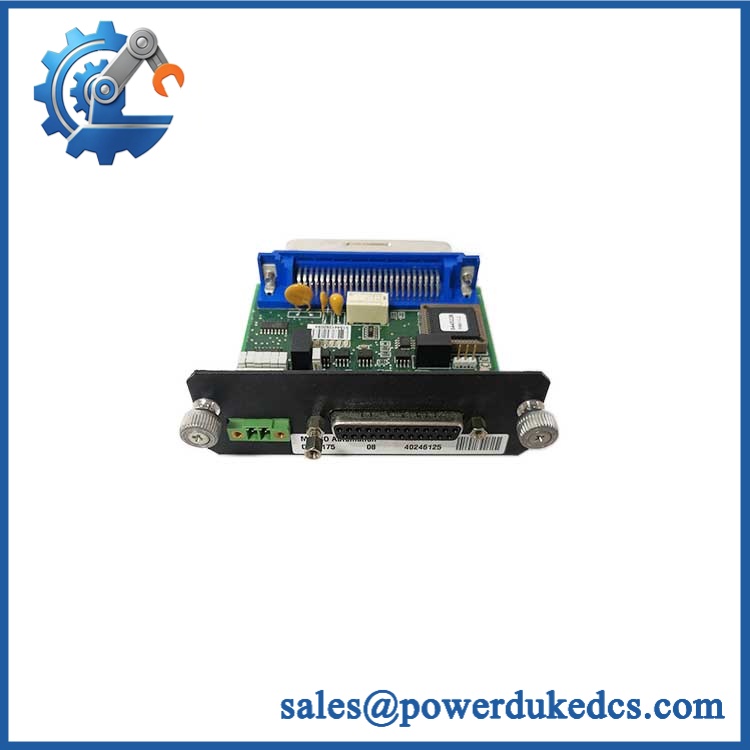
Metso LDU-RM1
🚨 Global Compliance & Industry Certifications
For the , certification claims should remain configuration- and installation-specific. The available material establishes its electrical and functional characteristics but does not provide sufficient evidence to declare a blanket hazardous-area approval for every unit.
- CE Mark: May apply to the complete RMS equipment configuration depending on market version and declaration. Verify specific lot certifications with OEM.
- UL/cUL: No reliable evidence was located confirming a universal UL or cUL listing for the exact assembly. Verify specific lot certifications with OEM.
- ATEX / IECEx: Do not assume certification. The belongs to the refiner-monitoring architecture, but the system designation alone is not proof that this individual display module is certified for hazardous-area installation.
- Marine Approval: No DNV/GL or equivalent approval was established for the exact from the accessible documentation.
- Electrical Safety: The module operates from a low-voltage 24 VDC ±10% supply, with isolated internal rails, but the cabinet and connected refinery machinery introduce separate electrical and mechanical hazards.
- Customs Documentation: Retain the actual nameplate, VAL number, SKC number, manufacturer identification, and any available certificate with the commercial invoice and COO file.
Verify specific lot certifications with OEM.
🚨 Long-Term Storage & Asset Preservation Guide
Keep the in an ESD shielding bag. The board carries display electronics, digital interfaces, analog circuitry, and an RS-485 communication interface; loose storage exposes contacts and components to electrostatic discharge and contamination.
Protect the front display and buttons from mechanical pressure. The two LED displays and five switches are part of the operator interface. Store the unit vertically or with a rigid face protector rather than allowing another component to rest against the display window (small mechanical damage can make an otherwise healthy board unusable in the field).
Control humidity and condensation. A clean indoor storage area below roughly 60% RH is a practical preservation target where the OEM warehouse specification is unavailable. Use sealed ESD packaging with desiccant, inspect the 64-position/32-position rack connectors and board edges periodically, and avoid repeated power cycling merely to “check” shelf stock.
The historical documentation identifies a 2005-11-01 document revision and a processor change associated with communication to the operator panel. Preserve revision/date-code information with the spare rather than stripping historical labels during warehouse receiving.
Physical Installation Prerequisites
- Rack Position: is an internal rack unit, not the externally mounted PDU-RM3. The manual identifies it among the rack’s internal modules.
- Mechanical Size: Allow for the documented 220 × 100 × 35 mm board envelope and 7 TE width.
- Backplane: Engage the module fully with the RMS rack’s internal PCB connectors; inspect contacts before insertion.
- Supply: Provide +24 VDC ±10%, with the supply sized beyond the module’s documented 0.12 A maximum demand.
- Internal Rails: The module generates/uses isolated ±12 VDC and +5 VDC rails; do not bridge these rails to cabinet 24 VDC.
- Signal Wiring: Verify the analog input’s 0–8 VDC range and ±200 VDC common-mode capability against the actual RMS transducer path.
- Communication: Confirm the RS-485 path to the PDU-RM3 or operator panel and verify cable polarity/termination against the RMS wiring documentation.
- Grounding: Follow the cabinet grounding scheme and verify protective bonding before commissioning.
- Service Clearance: Maintain sufficient access to the front of the rack for module removal and to the rear/side area for safe cable service.
The rack itself uses a 24 VDC ±10%, maximum 2.0 A external supply, with dedicated internal PCB connectors and external terminal blocks.
Buyer’s FAQ
Q1. What HS tariff code should be used for ?
A provisional classification review may begin under HS 8537 for electrical control/monitoring apparatus, and trade records have classified an LDU-R-related electronic assembly under 85371019. However, HS classification is jurisdiction-specific and depends on whether customs treats the shipped item as a control apparatus, display/indicator, or electronic assembly. One trade record specifically describes LDU-R, stock code VAL0122977, manufacturer Dametric under HS 85371019.
For customs documentation, describe it precisely as “Dametric/Metso Limit Display Unit for refiner monitoring system” and have the importer or customs broker confirm the final tariff classification.
Q2. What COO should be shown on the Certificate of Origin?
Use the actual country where the shipped was manufactured, supported by the nameplate, traceability records, or manufacturer’s documentation. Do not assume that the COO follows the current Metso corporate structure. The historical RMS documentation identifies Dametric article numbers alongside Metso VAL and SKC identifiers.
Q3. Should I insure an shipment?
For a legacy display/control module, shipping insurance is advisable when replacement lead time is uncertain or the unit is difficult to source. Photograph the LED display, PCB labels, connectors, VAL number, SKC number, and packaging before sealing the carton; retain those photographs with the freight records.
Q4. Does a replacement include the latest firmware pre-loaded?
Do not assume it does. The includes processor hardware and communicates with the /operator panel, and its historical documentation records a processor revision associated with operator-panel communication. Confirm the installed software and LDU revision before commissioning.
Q5. Is the same component as ?
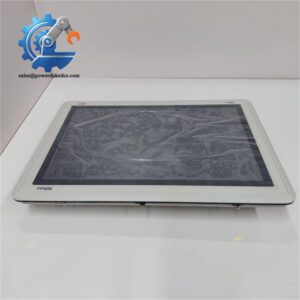
No. The documentation identifies as an internal rack unit, while is an external display connected to the LDU through RS-485. The two units have different physical locations and functions.


 Start Chat