

Description
- Model & Brand: METSO POM-RM1
- VAL Part Number: VAL0123032
- SKC Part Number: SKC9068249
- System: RMS / RMS-EX1 Refiner Monitor System
- Part Type: Rotor Position Monitor
- Primary Application: Refiner rotor-position measurement using a POT-50 sensor
- Physical Dimensions: Approximately 220 × 100 × 30 mm (L × W × T); documented as 6TE rack width.
- Estimated Component Weight: Approximately 0.2 kg based on a current secondary listing; this figure is not stated in the legacy POM-RM1 manual and should be treated as an estimate.
- Estimated Shipping Weight: Approximately 0.4–0.7 kg with ESD protection, cushioning, and export carton; confirm actual packed weight before freight booking.
- Power Requirement: +24 VDC ±10%, maximum 0.14 A.
- What’s in the Box: POM-RM1 module as specified; K-POT25 cable, POT-50 sensor, POI-50 display, and terminal hardware are separate RMS components and should not be assumed included.
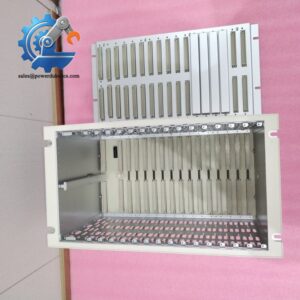
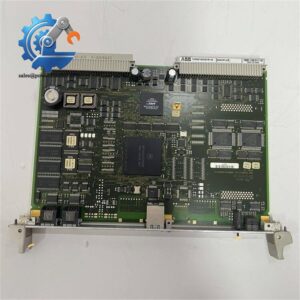
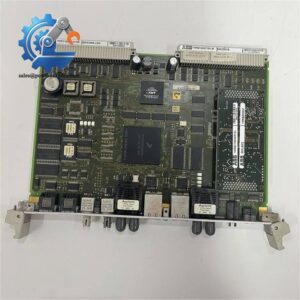
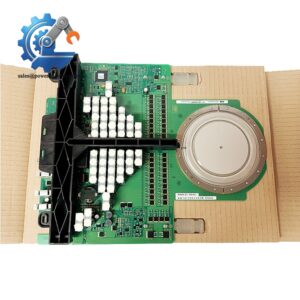
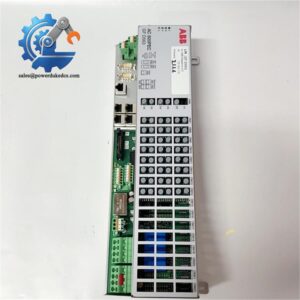
- Physical Construction: Rack-mounted electronic module with front-panel adjustment potentiometers, limit indicators, and a display-selection pushbutton.
The documented RMS-EX1 parts list directly maps POM-RM1 → Metso VAL0123032 → SKC9068249, which is useful for ERP records, customs documents, and receiving inspection.
Product Introduction
Inside the RMS refiner-monitor rack, the METSO POM-RM1 is the dedicated position-monitoring unit for the refiner rotor. It receives the signal from a POT-50 position sensor, amplifies and conditions that signal, provides internal zero/full-scale adjustment, and generates an isolated 4–20 mA analog output for the plant control system. Three adjustable limit outputs are also provided for PLC monitoring.
This architecture is quite specific. The POM-RM1 is not a general-purpose PLC analog card; it is part of the legacy RMS / RMS-EX refiner monitoring system. The associated POT-50 sensor has a 50 mm measurement length, while the K-POT25 cable provides the physical connection to the rack. Replacing the monitor without checking the sensor and cable path can leave the original fault unresolved (especially after years of machine vibration).
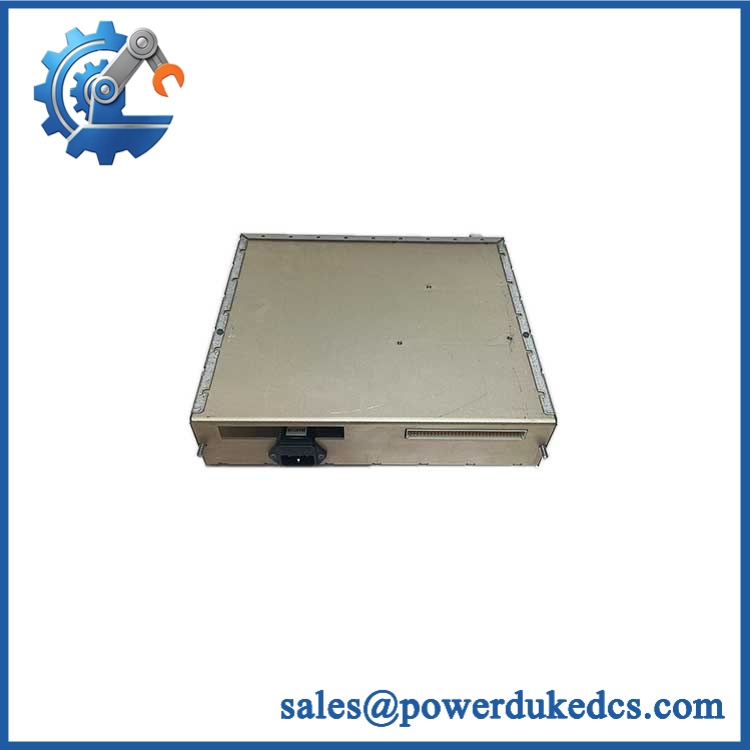
METSO POM-RM1 VAL0123032
Core Technical Specifications
| Parameter | Value |
|---|---|
| Manufacturer / Legacy Brand | Metso |
| Original Device Family | Dametric / RMS |
| Model | |
| Metso VAL No. | VAL0123032 |
| SKC No. | SKC9068249 |
| Product Type | Rotor Position Monitor |
| System | RMS / RMS-EX1 Refiner Monitor |
| Primary Sensor | POT-50 |
| Sensor Interface | 7-pin connection for POT-50 |
| Supply Voltage | +24 VDC ±10% |
| Maximum Current | 0.14 A |
| Internal Isolated Supply | ±12 VDC |
| Internal Zero Adjustment | +1.0 V ±0.5% |
| Internal Full-Scale Adjustment | +5.0 V ±0.5% |
| Analog Output | Isolated 4–20 mA |
| Digital Outputs | 3 limit outputs |
| Output Type | Optically isolated P-channel FET |
| Maximum Digital Output Current | 0.1 A |
| Limit Channels | 3 adjustable limits |
| Front-Panel Adjustment | 15-turn potentiometers |
| Front Indicator | Green LED |
| Physical Size | 220 × 100 × 30 mm |
| Rack Width | 6TE |
| Operating Temperature | The dedicated POM manual should be used for acceptance; the associated RMS-EX1 rack documentation specifies 0–55°C system ambient |
| Storage Temperature | The RMS-EX1 system documentation specifies −40 to +70°C |
| Environmental Protection | is an internal rack electronic unit; the associated RMS-EX1 enclosure is specified as IP00 |
The dedicated manual gives the electrical values and dimensions, while the documentation establishes the rack-level environmental limits and the module’s exact cross-reference numbers.
Global Compliance & Industry Certifications
The available RMS documentation provides meaningful compliance information, but it should be interpreted at the system/rack level, not automatically transferred to an individual loose card.
- CE Mark: The RMS documentation identifies CE approval according to EN 50081-2:1993, EN 50082-2:1995, and 89/336/EEC, with test report Enator TR976011 for the RMS system.
- EMC: The cited EN 50081-2 and EN 50082-2 standards address electromagnetic emissions and immunity for the documented RMS system.
- UL/cUL: No reliable evidence was found establishing a standalone UL/cUL listing for VAL0123032. Do not enter a UL claim in an audit record without the original certificate.
- ATEX / IECEx: No evidence was found that the individual carries an ATEX or IECEx certification. Hazardous-area suitability must therefore be established from the complete refiner installation and any external protection/interface equipment.
- Marine / DNV: No evidence was found for an individual DNV approval for this module.
Using the documented CE-compliant RMS architecture matters because electromagnetic interference in a refiner-monitoring circuit can produce false position indications or unstable limit signals, potentially triggering unnecessary machine interventions.
Verify specific lot certifications with OEM.
Long-Term Storage & Asset Preservation Guide
Keep the in its original ESD-safe packaging whenever possible. The unit is an exposed electronic rack module, and repeated handling of the PCB, connector contacts, or front-panel hardware can introduce damage that may not appear during visual receiving inspection.
Control moisture rather than relying on the published operating humidity limit. The system documentation permits 15–95% RH, non-condensing, but warehouse storage should be kept substantially drier; maintaining below 60% RH is a sensible preservation target for long-term electronic spare storage.
Do not disturb the calibration controls during shelf inspection. The uses 15-turn potentiometers for the three limits plus internal zero/full-scale adjustments. A casual “function check” can alter the original calibration state (record the adjustment positions before any service work).
Physical Installation Prerequisites
The is a 6TE, 220 × 100 × 30 mm rack module, intended to reside inside the RMS refiner-monitor rack rather than being mounted as a standalone DIN-rail device.
Cabinet environment: The associated system specifies 0–55°C operating temperature, −40 to +70°C storage, and 15–95% RH non-condensing. The rack itself is specified as IP00, so the protective cabinet must provide the environmental protection missing from the electronics.
Cooling clearance: Do not invent a 50 mm clearance requirement for this module. Preserve the original rack’s ventilation path and surrounding cabinet airflow, and do not pack unrelated hardware against the rack.
Power: Provide +24 VDC ±10% and allow for the module’s maximum 0.14 A consumption. The parent rack is itself specified for a +24 VDC ±10% external supply with a maximum 2.0 A rack load.
Grounding: The RMS system documentation states that cable shields are connected directly to the ground bar and that the rack is grounded through the ground cable. Preserve this arrangement; do not route shield grounding through the PLC signal return.
Sensor interface: Check the seven-pin connection and the K-POT25 cable before installation. The is a separate component with its own calibration procedure.
Buyer’s FAQ — Logistics & Compliance Focus
Q: What HS code should I put on the commercial invoice for ?
A: A reasonable classification candidate is HS 9031.80 for other measuring/checking instruments, because the measures rotor position and provides conditioned measurement output. However, HS classification is jurisdiction-specific; the final code should be validated by the customs broker against the import country’s tariff schedule and the actual commercial description. Do not use a code solely because another seller used it.
Q: What should I declare for Country of Origin?
A: Use the actual manufacturing origin supported by the unit’s label or manufacturer records. Metso, Dametric, and a modern warehouse/export location are not interchangeable concepts for COO. The part is identified in the RMS documentation as a Metso VAL number and SKC number, while the historical documentation is associated with Dametric.
Q: Is cargo insurance worthwhile for a ?
A: Yes for international movement when replacement availability is limited. The module is physically small, but a failed legacy refiner-monitor component can carry a disproportionate downtime cost. Use ESD shielding, rigid cushioning, tracked freight, and insurance based on the actual commercial replacement value.
Q: Does the include the latest firmware pre-loaded?
A: No firmware-preload claim should be made. The is a dedicated RMS monitoring electronics module with analog conditioning, limit circuitry, and calibration controls rather than a modern PLC CPU with user-selectable firmware packages. Acceptance should therefore focus on hardware identity, electrical performance, calibration, and compatibility with the /K-POT25 signal chain.


 Start Chat