

Description
- Model: VIM-RM1
- Brand / System Reference: Metso / Dametric RMS-EX1 Refiner Monitor System
- Metso VAL Number: VAL0123136
- SKC Number: SKC9068201
- Part Type: Refiner Vibration Monitor Module
- Measurement Principle: Accelerometer-based vibration measurement
- Transducer: VIM-T2 accelerometer
- Transducer Frequency Range: 1–6000 Hz
- Analog Output: 4–20 mA vibration-level signal
- Digital Outputs: Limit 1 and Limit 2
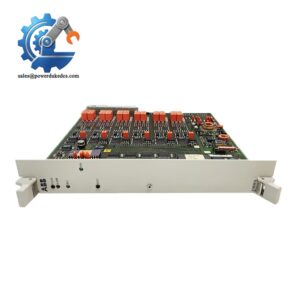
- Front Indicator: LED vibration-level ramp, 0–25 mm/s, 10 LEDs
- Cable: K-VIMS25, 2-pole connector, 4-lead
- System Supply: RMS-EX1 rack uses +24 VDC ±10%, maximum 2.0 A at rack level
- Physical Dimensions: Exact standalone VIM-RM1 W × H × D not stated in the accessible technical documentation
- Estimated Shipping Weight: Approximately 0.5–1.0 kg packed, planning estimate only; verify actual packed weight before freight booking
- What’s in the Box: VIM-RM1 module; ESD protective packaging; transducer, cable, terminal hardware, or manual only when specifically included in the purchase order
- Handling Class: ESD-sensitive electronic module; protect card contacts, connector interfaces, and the front-panel LED assembly
The RMS-EX1 manual explicitly maps VIM-RM1 to Metso VAL0123136 and SKC9068201 and lists the VIM-T2 transducer and K-VIMS25 cable as associated external components.
Product Introduction
Architecture Hook
Within the RMS-EX1 refiner-monitor cabinet, VIM-RM1 is the dedicated vibration-monitoring unit. It receives the signal from an accelerometer transducer, processes the refiner vibration level, drives a front-panel LED ramp, provides a 4–20 mA analog output, and generates two digital limit outputs. The documented external transducer is VIM-T2, while the associated signal cable is K-VIMS25.
For asset control, the full identity should remain together: VIM-RM1 + VAL0123136 + SKC9068201. This is a system-specific card rather than a generic vibration transmitter. The RMS-EX1 itself uses a +24 VDC ±10% supply, has 0–55°C operating temperature, -40 to +70°C storage temperature, 15–95% non-condensing humidity, and IP00 protection at the rack level (the cabinet must provide environmental protection).
Core Technical Specifications
| Parameter | Value |
|---|---|
| Manufacturer / Equipment Reference | Metso / Dametric RMS |
| Module | |
| Metso VAL Number | VAL0123136 |
| SKC Number | SKC9068201 |
| Product Type | Refiner Vibration Monitor |
| Host System | RMS-EX1 Refiner Monitor System |
| Measurement Input | Accelerometer transducer |
| Associated Transducer | VIM-T2 |
| Transducer Frequency Range | 1–6000 Hz |
| Analog Output | 4–20 mA |
| Digital Outputs | Limit 1, Limit 2 |
| Front Display | 10-LED vibration-level ramp |
| Front Display Scale | 0–25 mm/s |
| Signal Cable | K-VIMS25 |
| Cable Connector | 2-pole connector |
| Cable Conductors | 4-lead |
| RMS System Voltage | +24 VDC ±10% |
| RMS Maximum Rack Current | 2.0 A |
| RMS Operating Temperature | 0–55°C |
| RMS Storage Temperature | -40 to +70°C |
| RMS Humidity | 15–95%, non-condensing |
| RMS Protection | IP00 |
| Firmware | No standalone firmware function documented |
| Standalone Module Dimensions | Not stated in accessible documentation |
| Standalone Module Weight | Not stated in accessible documentation |
The function and external-interface data are supported by the RMS documentation. The rack-level electrical and environmental limits should not be misrepresented as standalone ratings.
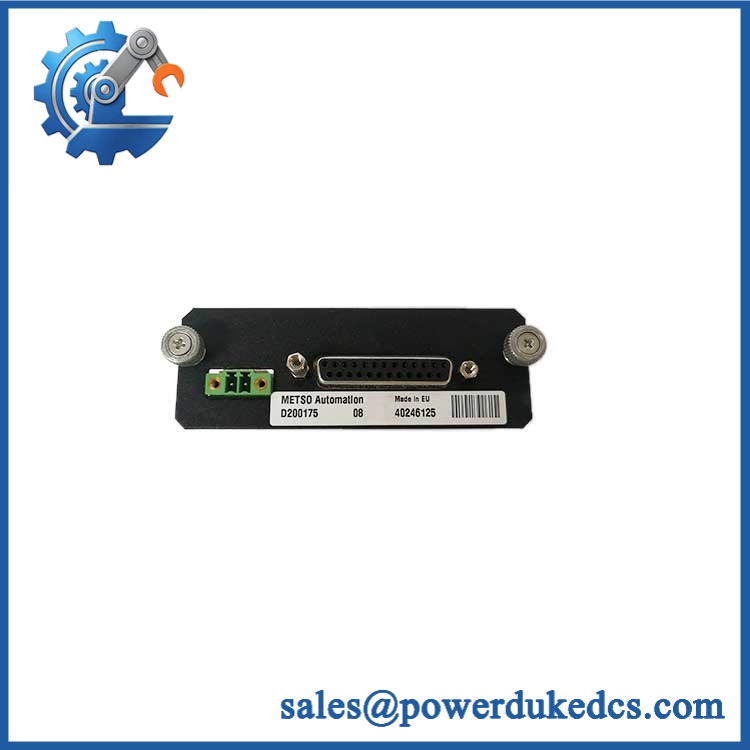
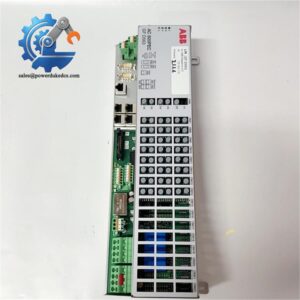
Metso VIM-RM1 VAL0123136 SKC9068201
🚨 Global Compliance & Industry Certifications
- CE / EMC: The documentation states CE approval according to EN 50081-2:1993, EN 50082-2:1995, and 89/336/EEC, with test report reference Enator TR976011. This is useful evidence for the installed RMS system, but it should not be treated automatically as a standalone certificate.
- UL / cUL: No standalone UL or cUL listing for was established in the accessible documentation. Do not add a UL claim to the asset register without certificate evidence.
- ATEX / IECEx: No standalone ATEX or IECEx certificate was verified for . The rack is documented as IP00, so the module should be treated as cabinet-mounted industrial electronics rather than a field-exposed hazardous-area device.
- Marine / DNV GL: No -specific DNV GL approval was verified. A marine certificate should only be recorded when the exact hardware and installation arrangement are covered.
- EMC: The historical EMC compliance is relevant to system-level audits, especially when replacement cards are introduced into an existing certified cabinet.
Audit requirement: Verify specific lot certifications with OEM. Keep declarations, test reports, and conformity records with the serialized asset file.
🚨 Long-Term Storage & Asset Preservation Guide
Keep the sealed in ESD shielding material. This is a PCB-based monitoring card, and its card-edge contacts and internal analog circuitry should not be exposed to uncontrolled handling. Do not stack bare boards directly against each other.
Control warehouse humidity below 60% RH where practical. The RMS documentation permits 15–95% non-condensing humidity during operation, but long-term spare storage benefits from a narrower, controlled environment. Use desiccant inside sealed packaging when storage extends across multiple seasons.
Protect the associated transducer interface as carefully as the card. The depends on the VIM-T2 accelerometer and K-VIMS25 cable for the measurement chain. Keep mating connectors capped, dry, and free from oxidation; a damaged connector can imitate a failed monitor card during commissioning.
Do not perform periodic capacitor reforming unless the actual board construction and approved maintenance procedure call for it. No manufacturer instruction establishing a two-year reforming cycle for was verified. Use evidence-based maintenance records rather than applying a generic electronics-storage rule.
Physical Installation Prerequisites
Install only in the designated internal-unit architecture. The uses internal PCB connectors for the rack modules and external terminal blocks for field signals.
The rack is mounted with four M6 screws on a vertical mounting plate inside a protective cabinet. The documented system temperature range is 0–55°C, with storage from -40 to +70°C.
No -specific 50 mm top-and-bottom clearance requirement was verified. Do not insert an invented clearance value into the cabinet drawing. Preserve the manufacturer’s rack arrangement, allow practical space for card removal, cable bend radius, terminal access, and cabinet heat dissipation.
Ground the RMS rack through the designated ground connection, and route the VIM signal cable away from high-current switching conductors. The RMS documentation states that cable shields connect directly to the ground bar and that the rack is grounded through its ground cable.
Before replacement, label the VIM-T2 transducer connection and verify the K-VIMS25 cable. A wiring reversal or intermittent shield connection can create unstable vibration readings that may be mistaken for a defective .
Buyer’s FAQ — Logistics & Compliance Focus
Q1. What HS tariff code should be used for ?
Do not assign a universal HS code from the part number alone. The appropriate tariff classification depends on the importing country’s tariff schedule and the customs interpretation of an electronic vibration-monitoring module. For shipment documentation, describe the item accurately as “Electronic Refiner Vibration Monitor Module for ”, then have the customs broker validate the final HS classification.
Q2. Does VAL0123136 establish the Country of Origin?
No. VAL0123136 is the Metso spare-part identification, while SKC9068201 is the corresponding supply-chain article number. The COO must come from the actual manufacturing origin of the supplied unit and should be supported by a supplier declaration, manufacturer evidence, or other accepted origin documentation.
Q3. Should a shipment be insured?
For legacy refiner-monitoring hardware, full shipment-value insurance is prudent. The card itself is compact, yet an unavailable vibration-monitoring spare can delay maintenance or force operation with reduced monitoring capability. Record the serial number, package condition, gross weight, and pre-shipment photographs before handoff to the carrier.
Q4. Does include the latest firmware pre-loaded?
No standalone firmware-loading procedure is identified in the accessible documentation. is described as a dedicated vibration-monitoring unit that receives an accelerometer signal and provides analog and digital outputs. Treat calibration, alarm-limit settings, and system wiring as the primary commissioning concerns rather than assuming a firmware update cycle.
Q5. What should appear on the commercial invoice and packing list?
Use the complete identity: / / SKC9068201, followed by the functional description “Refiner Vibration Monitor Module for .” Include quantity, unit value, COO, net/gross weight, package dimensions, and serial number where applicable. Keep the supplier inspection record and any conformity documentation with the customs file.



 Start Chat