

Description
- Brand: ABB
- Full Model Number: SA9923A-E
- ABB Part Number: HIEE450964R0001
- Product Type: Reference voltage generator card
- Core Function in System: Reference-voltage generation within ABB control/instrumentation equipment
- Associated Equipment: ABB PGC gas chromatograph systems reported in certification records; application must be confirmed from the installed chassis documentation
- Physical Form: Plug-in circuit card / chassis-mounted board
- Documented Weight: Approx. 1.0 kg in one product record; verify the packed unit before freight booking
- Known Part Cross-Reference: SA9923A-E ↔ HIEE450964R0001
- Lifecycle Status: Legacy ABB spare; current availability should be verified against plant inventory requirements
- Top 3 Hardcore Specs: Reference-voltage generation | HIEE450964R0001 identification | Chassis-mounted PCB construction
- Condition & Lead Time: Stock condition subject to inspection; emergency dispatch available after order and QC confirmation
Module 3: Technical Intro & Downtime Impact
When a reference-voltage card fails, the visible symptom may occur much farther downstream: unstable measurements, incorrect internal references, diagnostic alarms, or failure of an instrument/control assembly to complete its startup sequence. ABB SA9923A-E, identified by HIEE450964R0001, is specifically listed by available technical records as a reference voltage generator card. It also appears in parts listings associated with ABB’s instrumentation and control hardware. A failed reference circuit can therefore create a disproportionate troubleshooting burden because the card may sit upstream of several apparently unrelated signals.
For MTTR, the advantage of an exact board match is mechanical and functional compatibility without redesigning the host equipment. The available records do not provide a trustworthy ABB primary-source specification for this exact card covering supply voltage, reference-output values, operating temperature, or signal tolerance. Some reseller pages publish conflicting electrical data, so those values should not be copied into a commissioning procedure without checking the original ABB drawing or the equipment-specific schematic. (For a precision reference card, an incorrect assumed output value can be more damaging than having no specification at all.)
Module 4: Dynamic Emergency Swap & Configuration Guide
1. Pre-Swap Prep — Capture the Reference Circuit Before Removal
Isolate the host equipment according to its electrical and process-safety procedure. Record the complete SA9923A-E / HIEE450964R0001 identification, board revision, serial number, connector locations, cable routing, and any adjacent card positions. Photograph the installed card before disconnecting it. Have an ESD wrist strap, insulated tools, approved meter, equipment schematic, and replacement inspection record ready.
2. Removal — Release the Card Without Stressing the Connectors
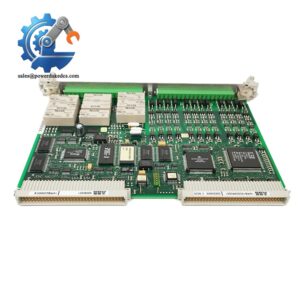
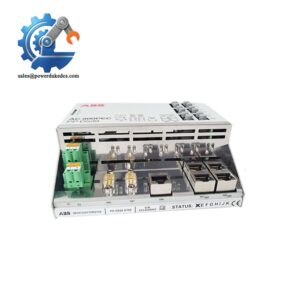
The available product image shows SA9923A-E as a board-format assembly with edge-mounted connectors and mechanical mounting hardware. After confirming isolation, disconnect attached plugs or harnesses using the connector release mechanism rather than pulling the cable. Loosen the card-retention hardware and withdraw the PCB straight from its mating interface. Never twist the board inside the rack or card cage; connector damage can turn a simple card replacement into a backplane repair.
3. Installation & Configuration — Match the Board Identity and Host Position
Inspect the replacement label before insertion. SA9923A-E and HIEE450964R0001 should correspond to the removed card, and the board revision should be checked against the equipment drawing. Position the replacement in exactly the same chassis slot and restore connectors according to the documented wiring. Do not add jumpers, change potentiometer settings, or alter calibration adjustments simply because another ABB card appears physically similar. The available records identify this part as a reference-voltage generator card, so calibration and reference-generation circuitry should be treated as application-specific.
4. Power-On Self-Test (POST) — Validate the Reference Before Process Release
Re-energize the host equipment only after connector seating, grounding, shielding, and cabinet clearances have been checked. Observe the host system’s startup diagnostics and verify that no card, reference, analog, or instrumentation fault appears. Measure the relevant reference output points against the OEM equipment schematic, not a generic reseller specification. Then perform a controlled functional check of the affected instrument/control path before returning the equipment to service.
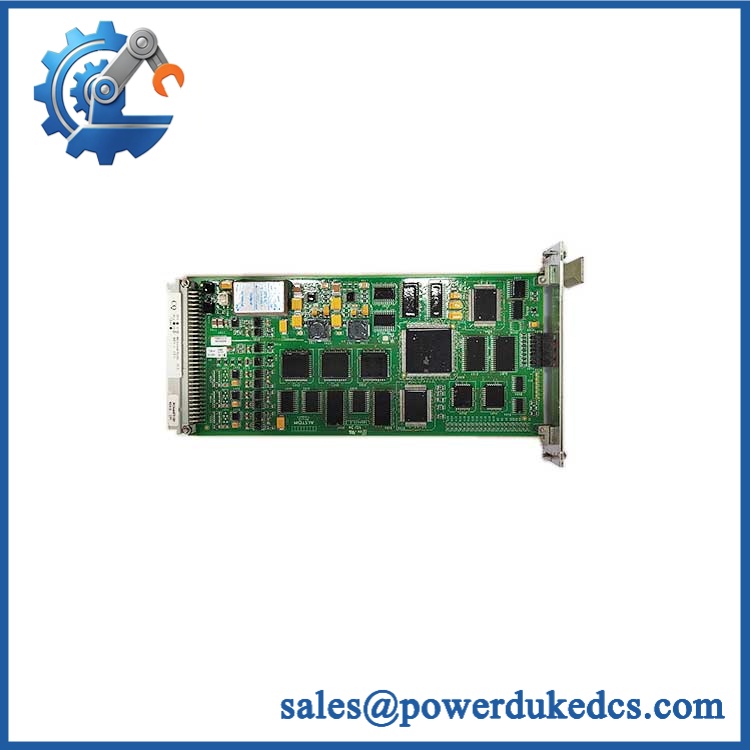
ABB SA9923A-E HIEE450964R0001
Module 5: Quality Assurance & Testing SOP
Every ABB / should receive board-level inspection plus host-compatible electrical verification before shipment.
- OEM anti-counterfeit visual inspection: Check ABB nameplate format, part number, serial label, PCB markings, connector construction, component population, solder quality, and revision identification.
- Exact part-number verification: Confirm and against the purchase record and physical label.
- Mechanical inspection: Examine mounting brackets, connector pins, PCB edges, fasteners, terminal interfaces, corrosion, contamination, cracked solder joints, and signs of previous repair.
- Power-on self-test (POST): Install the card in an approved compatible test assembly and check system startup diagnostics for reference, card, I/O, and communication faults.
- Reference-output verification: Measure each applicable reference point against the OEM drawing and approved tolerance window for the host equipment. Do not substitute an unverified generic voltage figure.
- Signal-path verification: Confirm that affected analog/control circuits receive stable reference values during powered operation.
- I/O full-range simulation: Where the host test fixture supports it, simulate the complete specified input range and record the resulting measured values.
- Noise and stability check: Monitor the applicable reference output for drift, abnormal ripple, or intermittent behavior during an extended controlled test.
- Connector integrity check: Verify every mating interface under repeated connect/disconnect inspection where permitted by the manufacturer’s procedure.
- Final QC record: Record serial number, board revision, measurements, test duration, diagnostic results, inspection photographs, technician sign-off, and packaging condition.
Module 6: Maintenance & Reliability FAQ
1. Is ABB a direct drop-in replacement, or does it require a firmware flash?
A firmware flash should not be assumed necessary for a board identified as / . This is identified in available records as a reference-voltage generator card rather than a general-purpose processor board. The critical checks are exact part number, board revision, chassis position, connector arrangement, and the host equipment’s calibration requirements. No reliable source found for this exact card establishes a mandatory firmware procedure.
2. Is it safe to hot-swap while the system is running?
No—not unless the specific ABB host-system documentation explicitly authorizes live removal. A board carrying reference-generation circuitry should be treated as a powered circuit-board assembly. Shut down and isolate the host equipment, observe ESD controls, and verify the manufacturer’s service procedure before removal.
3. Will replacing cause my current program or calibration data to be lost?
The card itself should not be treated as a programmable CPU merely because it is part of a larger control system. However, calibration constants, reference adjustments, or host configuration data may reside elsewhere in the instrument or controller. Before replacement, record applicable calibration values, configuration data, alarm settings, and diagnostic states. Preserve the original card until commissioning is complete so that any unexpected measurement shift can be investigated.
4. What should I verify before commissioning the replacement?
Start with the full identity: / . Then verify board revision, chassis slot, connector orientation, host-system compatibility, and all reference-output measurements against the applicable ABB documentation. Available records also associate this part with ABB PGC gas chromatograph equipment, so confirming the exact host instrument is particularly important before installation.
5. What are the warranty terms if the unit fails after installation?
Warranty terms should be specified in the quotation or sales order for the serialized unit. Retain incoming inspection photographs, the nameplate record, installation date, pre-installation measurements, post-installation measurements, and the host-system fault history. For a reference-generation card, documenting the measured values before and after replacement is especially useful when determining whether the problem originated in the card or elsewhere in the instrument.



 Start Chat