

Description
- Brand: GE General Electric
- Full Model Number: DS200TCEAG1BNE
- Lifecycle Status: Legacy / Obsolete
- Core Function: Emergency overspeed and flame-detection protection for GE Mark V turbine control systems
- Top 3 Technical Specs: TCEA functional acronym; 30 configurable jumpers; 3 onboard fuses
- Processor: Intel 80196 microprocessor
- Memory: Multiple PROM modules
- Communication: IONet daisy-chain interface
- System Location: Mark V protection core
- Stock & Condition: Physical stock, exact revision, and condition to be confirmed before PO; New Surplus or Tested Refurbished subject to quotation
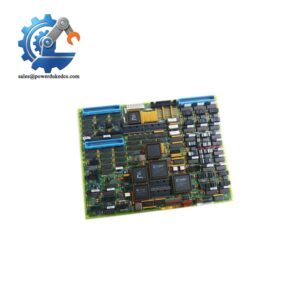
The DS200TCEAG1B base assembly is documented as a GE Mark V TCEA Emergency Overspeed Board with an 80196 processor, multiple PROM modules, three fuses, 30 jumpers, bayonet connections, and IONet connectors. The exact BNE suffix must be matched when approving a replacement.
Obsolescence & Supply Chain Deep Dive
A failed TCEA board can become a direct maintenance constraint because the DS200TCEAG1B family belongs to the legacy Mark V control platform. The TCEA function handles turbine overspeed and flame-detection trip processing, so this is not a generic I/O card that can be substituted based only on physical fit. The DS200TCEAG1BNE is specifically listed as an Emergency Overspeed Board within the Mark V family, while current supply is primarily dependent on available industrial inventory.
For a turbine still operating under Mark V, securing a verified spare can avoid the engineering, commissioning, documentation, and outage costs associated with a broader controls migration. The TCO calculation should therefore include the cost of an unplanned turbine outage, emergency procurement, field engineering, and validation—not just the board purchase price. Configuration is critical: the related DS200TCEAG1B documentation identifies 30 jumpers used for board configuration, so the installed board settings should be recorded before removal.
Compatibility & Replacement Matrix
| Approval Item | DS200TCEAG1BNE Assessment | Buyer Action |
|---|---|---|
| Replacement Type | Drop-in hardware replacement when the installed application specifies the same complete part number and revision | Verify DS200TCEAG1BNE before PO |
| Software/Firmware | Configuration-dependent; not appropriate to assume a firmware change is unnecessary | Verify PROM/configuration requirements against the installed Mark V documentation |
| Hardware Modification | Normally not required for an exact replacement | Preserve the original jumper and connector configuration |
| Processor Assignment | Application-dependent | Confirm the board’s installed protection-core position and configuration |
| Estimated Physical Replacement | Approximately 0.5–2 hours for qualified maintenance personnel, excluding shutdown and functional verification | Follow the plant’s Mark V maintenance procedure |
| Commissioning Time | Site-dependent | Include protection-function verification before returning the turbine to service |
Field Traps — Watch Out
- Jumper configuration: The DS200TCEAG1B documentation identifies 30 jumpers used to configure the board for its location in the Mark V protection core. Photograph and document the original configuration before removal.
- Exact suffix mismatch: DS200TCEAG1B, DS200TCEAG1BNE, DS200TCEAG1BTF, and other related variants should not be treated as interchangeable solely because they share the DS200TCEAG1B base designation. The complete ordering number must be checked against the installed board and system documentation.
Quality Assurance & Testing SOP
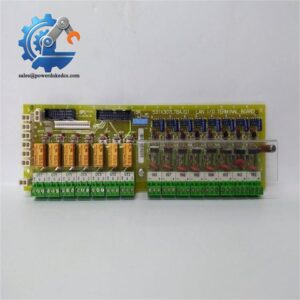
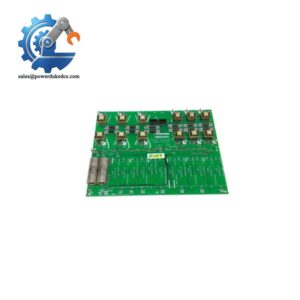
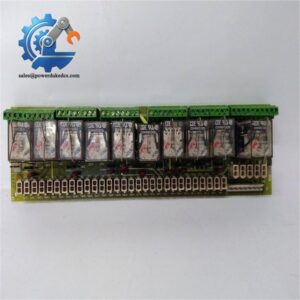
For this safety-related Mark V board, pre-shipment inspection should verify the actual unit rather than relying on a catalog photograph or base model number.
- Part-number verification: Confirm the GE label reads DS200TCEAG1BNE and record all visible revision information.
- OEM anti-counterfeit visual inspection: Examine PCB artwork, component markings, labels, connectors, solder quality, coating, and evidence of unauthorized rework.
- Physical inspection: Check for corrosion, contamination, cracked components, damaged traces, bent connector pins, loose hardware, and coating damage.
- Jumper verification: Record the installed position of all 30 configuration jumpers and compare them with the customer’s required configuration.
- Fuse inspection: Verify the three onboard fuse positions and inspect for signs of overheating or previous replacement.
- Power-on self-test: Where an approved Mark V test fixture is available, energize the board under controlled conditions and verify expected diagnostic behavior.
- Processor and memory inspection: Verify the 80196 processor and PROM assemblies are physically present and show no visible damage.
- IONet inspection: Examine the JX1/JX2 IONet connectors and associated interfaces for physical damage and connector integrity.
- Protection-function testing: Where the appropriate Mark V test equipment is available, verify overspeed, flame-detection, synchronization, and diagnostic functions against approved test limits.
- Trip-interface verification: Confirm the applicable trip-signal interface responds correctly within the authorized test procedure.
- Final QA record: Record part number, serial/identification data, jumper configuration, inspection results, test date, and inspector approval before packing.
Because this board participates in turbine protection, a generic bench power test should not be presented as proof of complete protection-system functionality. Functional verification should use the applicable Mark V documentation and an approved test environment.
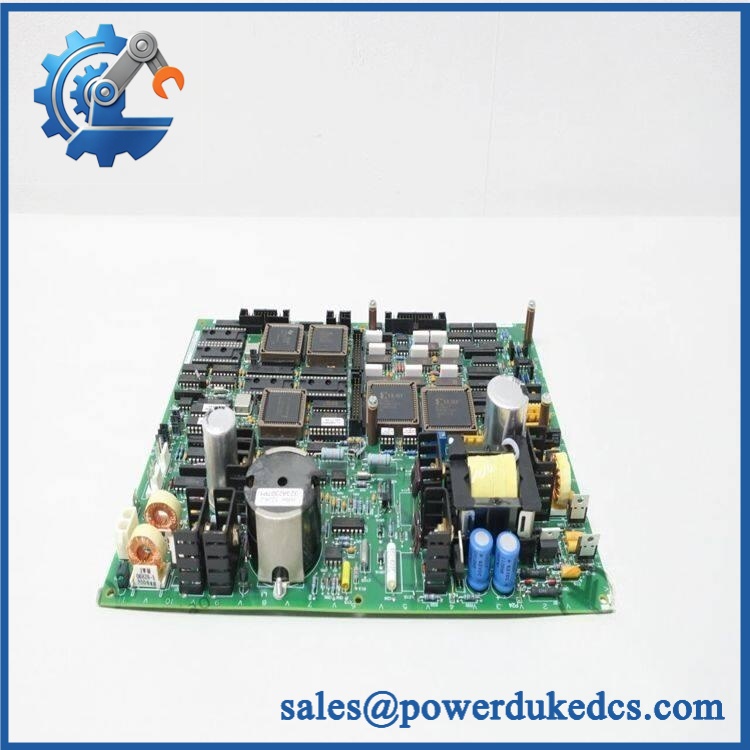
GE DS200TCEAG1BNE
Procurement & Lifecycle FAQ
Is the GE genuinely in stock, and what is the cutoff for emergency shipping?
Availability should be confirmed against the before a PO is released. For emergency requirements, request confirmation of quantity, complete part number, condition, test status, packing completion, and same-day shipping cutoff in the quotation. Current public listings confirm that the family remains available from specialist inventory sources, but that does not establish live stock for the exact BNE revision.
How do you guarantee the condition and authenticity of an obsolete ?
Request actual-unit photographs showing the GE identification label, PCB markings, connectors, and overall board condition. A suitable QA package should include visual inspection records, configuration verification, functional-test results where available, and serial or identification information. For New Surplus units, the inspection should also establish that the unit has not previously undergone unauthorized repair.
Are there firmware compatibility issues I should warn my engineers about before issuing the PO?
Yes. The complete hardware revision and configuration should be checked before installation. The documentation identifies PROM-based control and configurable jumpers, while the board’s role within the Mark V protection core can affect configuration requirements. Do not approve a substitute solely because the base number appears similar.
Is the a direct replacement for other variants?
Treat it as an exact-part-number replacement unless GE documentation or the site’s approved engineering documentation confirms equivalence. Related variants are separately cataloged, so the full suffix should be matched before installation.
What are the warranty and return terms?
The quotation should specify warranty duration, DOA coverage, return window, accepted condition, and the scope of functional coverage before the PO is released. For obsolete turbine-control boards, the documentation should distinguish between a New Surplus unit, a Tested Refurbished unit, and a repaired unit because the inspection and warranty basis can differ.



 Start Chat