

Description
- Brand: GE General Electric
- Full Model Number: DS200UDSAG1ADE
- Lifecycle Status: Legacy / Obsolete
- Core Function: Mark V turbine control system excitation board
- Product Acronym: UDSA
- Top 3 Technical Specs: 1 × Intel 80196 microprocessor; multiple EPROM modules; 21 × 4-character displays
- Diagnostic Hardware: 32 LEDs
- PCB Coating: Normal coating
- Revision: Functional A / D; Artwork E
- System Family: GE Mark V DS200
- Stock & Condition: New Surplus, Tested Surplus, or Tested Refurbished subject to physical-unit confirmation
- Shipping: Same-day dispatch subject to confirmed stock and carrier cutoff
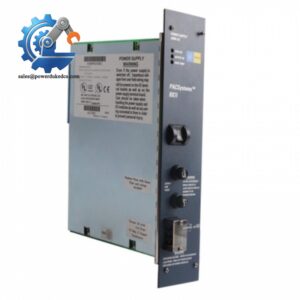
The DS200UDSAG1ADE is documented as a GE Mark V turbine excitation card with the UDSA functional acronym. Available technical references specify one 80196 microprocessor, multiple EPROM modules, 21 four-character displays, and 32 LEDs. Its revision information is listed as first functional revision A, second functional revision D, and artwork revision E.
Obsolescence & Supply Chain Deep Dive
For an operating Mark V installation, a failed excitation board can create a sourcing problem well beyond the price of the PCB itself. The DS200UDSAG1ADE belongs to the legacy GE Mark V DS200 family, and current industrial inventory references continue to list the exact part, but availability is supplier- and lot-dependent. The board combines an embedded 80196 processor, EPROM devices, display hardware, and a substantial LED diagnostic array, so an exact-part replacement is preferable to assuming that another UDSA-family board has the same application configuration. For outage planning, confirm the physical part number and revision before committing the purchase.
The TCO argument is mainly about avoiding an unnecessary control-system migration. When the existing Mark V cabinet remains serviceable, replacing the failed DS200UDSAG1ADE can preserve the installed control architecture, engineering configuration, field connections, and established commissioning procedures instead of initiating a much larger modernization program. That can materially reduce engineering hours, outage exposure, documentation work, and integration costs. The board itself should still be treated as a configured legacy component: the applicable GE documentation, processor/EPROM configuration, board revision, and installed system requirements need to be checked before energization (particularly when the replacement unit carries a different revision history).
Compatibility & Replacement Matrix
| Buyer Review Item | DS200UDSAG1ADE Assessment |
|---|---|
| Exact-Part Replacement | Drop-in Replacement for an existing DS200UDSAG1ADE, subject to system and revision verification |
| System Family | GE Mark V DS200 |
| Primary Function | Turbine excitation control |
| Processor | 1 × 80196 microprocessor |
| Memory | Multiple EPROM modules |
| Firmware Flash | No firmware-flash procedure identified in the sources reviewed |
| Hardware Modification | Normally not required for an exact same-part replacement |
| Configuration Review | Required before installation |
| Revision Verification | Required; compare functional and artwork revisions |
| Planned Installation Labor | Approximately 1–3 hours |
| Functional Verification | Approximately 2–4 hours, depending on test equipment and site procedures |
| Full-System Upgrade | Separate engineering project; not required merely to replace the board |
Field Traps to Watch Out For
EPROM and revision mismatch: The uses multiple EPROM modules, and its published revision information is A/D/E. Do not assume that another UDSA board with a similar base number carries the same memory contents or application configuration. Confirm the exact order code and revision before issuing the PO.
Thermal and environmental conditions: The board contains an 80196 microprocessor. Available technical documentation specifically notes the importance of adequate ventilation and a clean operating environment free of dust, dirt, and oil. A replacement should not be installed into a cabinet with unresolved cooling or contamination problems.
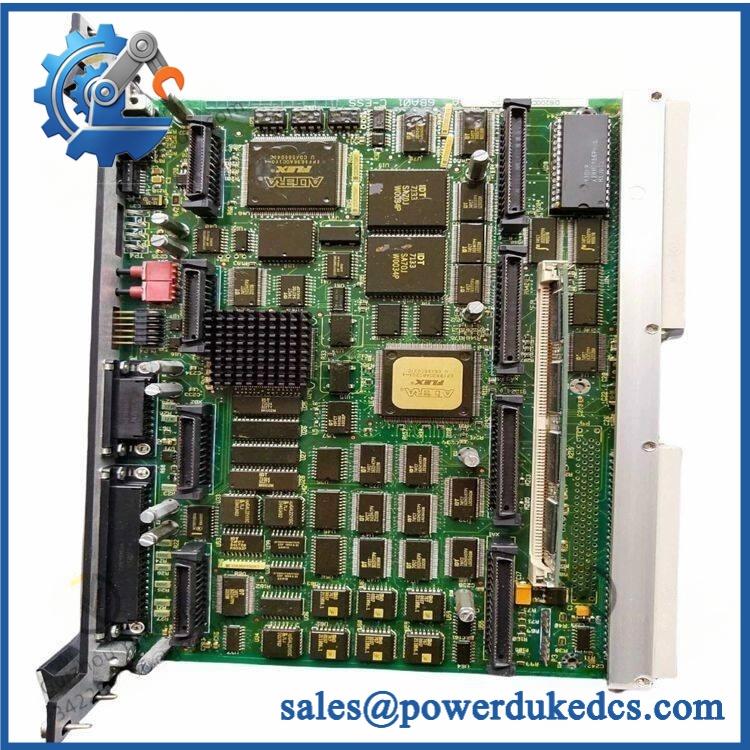
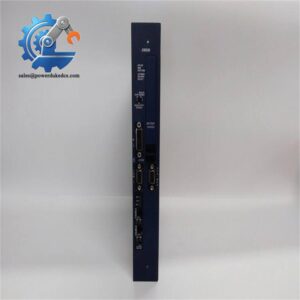
GE DS200UDSAG1ADE
Quality Assurance & Testing SOP
Part-number verification: Confirm the board marking as and record all visible revision, serial, manufacturing, and identification markings. Reject any unit whose physical marking conflicts with the purchase specification.
OEM anti-counterfeit visual inspection: Compare PCB construction, labeling, component population, connector arrangement, processor identification, EPROM placement, displays, and LED layout against established GE Mark V references. Any unexplained relabeling, component substitution, or PCB rework receives a manual review.
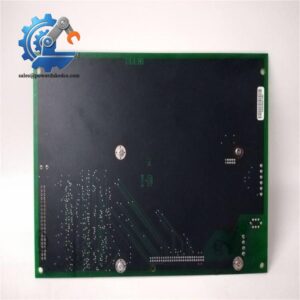
PCB and component inspection: Examine the board for corrosion, contamination, cracked solder joints, burnt components, damaged sockets, lifted pads, and mechanical stress. Pay particular attention to the processor area and EPROM modules.
Display and LED inspection: Verify the documented 21 four-character displays and 32 LEDs are physically present and free from visible damage. Where the test fixture supports it, check display activation and expected diagnostic indications during controlled startup.
Power-on self-test (POST): Install the board in an approved Mark V test environment and apply controlled power. Verify normal power-up behavior, processor activity, display response, and diagnostic LED behavior. Record abnormal indications rather than relying on a generic pass/fail statement.
I/O and control-path testing: Connect the board to an appropriate Mark V test setup and exercise representative excitation-control signals available through the approved fixture. Monitor signal stability, processor response, and diagnostic indications throughout the test.
Memory and configuration verification: Where suitable test equipment and documentation are available, verify EPROM identification and compare configuration-relevant information with the customer’s existing board. Do not overwrite or alter application-specific memory without authorized engineering instructions.
Thermal observation: During functional testing, monitor for abnormal heat generation, unstable operation, or unexpected processor behavior. Investigate cabinet cooling issues before releasing a board for field installation.
Final QA release: Record exact model, revision, serial number where available, visual inspection results, EPROM identification, display/LED checks, POST outcome, functional-test results, technician, and test date. Approved units are handled using ESD protection and protective mechanical packaging.
Procurement & Lifecycle FAQ
Is the genuinely in stock and what is the cutoff for emergency shipping?
Current industrial inventory references show the exact being offered for sale, including listings marked in stock and available for shipment. That does not establish universal real-time availability, so the physical quantity and condition should be confirmed before the PO is released. For an emergency order, confirm quantity, exact revision, condition, destination, and carrier cutoff before payment.
How do you verify the condition and authenticity of an obsolete ?
The acceptance process should include exact part-number verification, revision inspection, PCB and component examination, EPROM identification, display and LED inspection, controlled power-up, and functional testing in an appropriate Mark V environment. The commercial condition should be stated precisely as New Surplus, Tested Surplus, or Tested Refurbished.
Are there firmware compatibility issues engineers should review before issuing the PO?
The sources reviewed do not identify a routine firmware-flash requirement for this exact replacement. The more important issue is the board’s stored program hardware, including its EPROM modules and revision history. Engineering should therefore verify the exact part number, functional revision, artwork revision, and installed application configuration before approval.
Is the a direct replacement for an installed board?
For an existing , an exact same-part unit can generally be handled as a board-level replacement without planned hardware modification. A different UDSA variant should not be approved solely because it shares the same functional acronym; the complete part number and revision must be checked against the installed application.
What warranty and return terms should procurement require?
The PO should identify the exact model, revision where applicable, condition, test status, warranty period, DOA definition, return window, and return-freight responsibility. Current supplier listings show that warranty terms can vary materially by supplier; one listing for this exact part advertises a three-year board warranty, while another lists a 12-month warranty, so the agreed commercial terms should be documented in the quotation and PO.
:::



 Start Chat