

Description
- Brand: GE
- Full Model Number: IS200AEPAH1BJD
- System/Series Family: GE Mark VIe / Mark VIeS Wind Turbine Control
- Core Function: Wind turbine pitch-axis control PCB for blade pitch monitoring and control
- Top 3 Hardcore Specs: WEPA functional designation; 125 VDC supply; IS215WEPAH2BB associated assembly
- Stock Status: New Surplus — exact board revision and associated IS215 assembly to be confirmed before shipment
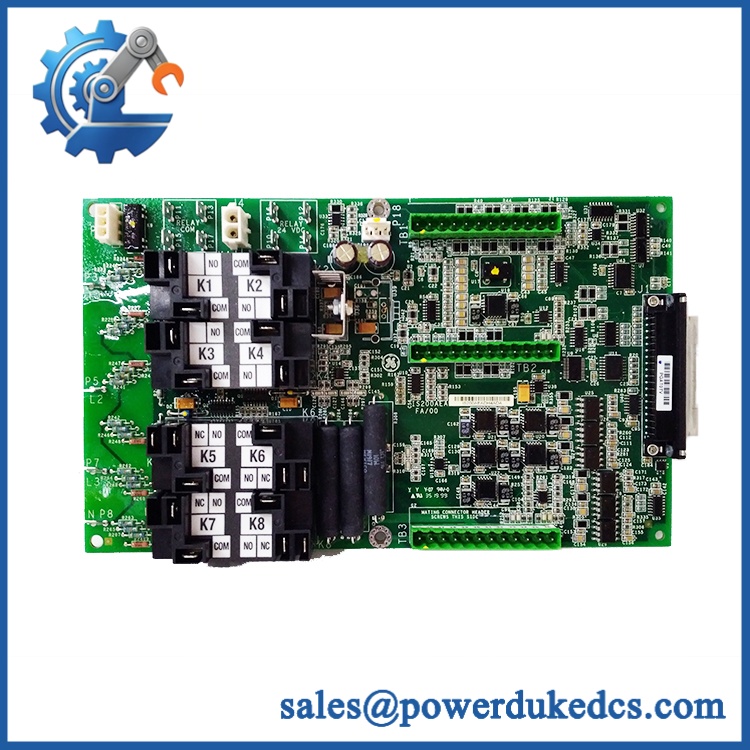
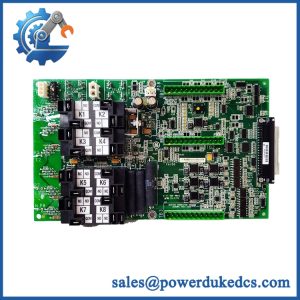
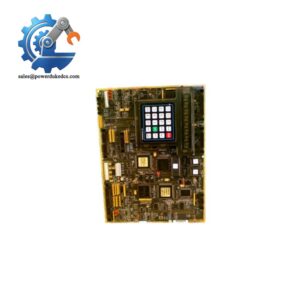
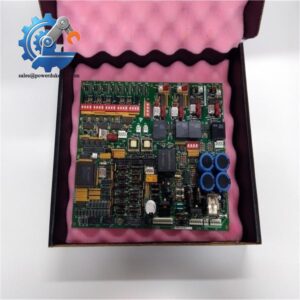
The IS200AEPAH1BJD is identified in current technical listings as a Wind Energy Pitch Axis PCB, with IS215WEPAH2BB shown as the associated board designation. The functional acronym is WEPA, and the board is associated with GE Mark VIe wind turbine control applications.
Module 3: Technical Product Introduction
A pitch-axis control failure can affect the turbine’s ability to maintain the required blade angle, so replacing the correct control PCB matters at the system level. The GE IS200AEPAH1BJD is identified as a WEPA Wind Energy Pitch Axis PCB associated with GE’s Mark VIe/Mark VIeS wind control architecture. Current technical references pair the board with IS215WEPAH2BB and identify it for wind-energy pitch-axis applications.
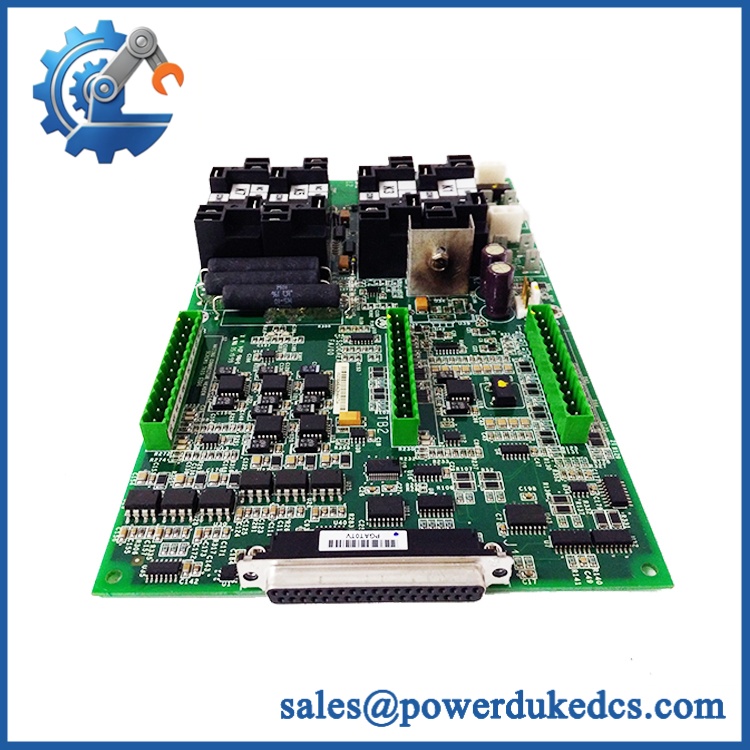
Available technical listings specify a 125 VDC supply and identify interfaces including analog inputs, discrete I/O, relay outputs, RS-485 interfaces, and Ethernet connectivity. One listing also identifies 10/20/40 ms software frame rates. Because these specifications are drawn from secondary technical records rather than an accessible GE primary datasheet for this exact assembly, the actual board markings and installed system documentation should take precedence. In particular, IS200AEPAH1BJD and IS215WEPAH2BB should not be treated as unrelated substitute part numbers; the complete hardware identification should be checked before procurement.
Module 4: Application Scenarios & Field Realities
- In wind turbine pitch-control cabinets, the WEPA board is associated with the control electronics responsible for the pitch axis. A replacement therefore needs to match the installed hardware configuration, not merely the general Mark VIe family.
- Where blade-angle feedback is critical, the board’s reported incremental encoder and analog-input interfaces are relevant to the pitch-control signal chain. Verify the actual connector assignments against the turbine’s wiring drawings before commissioning.
- For turbine maintenance during a scheduled outage, record both IS200AEPAH1BJD and any associated IS215WEPAH2BB marking before removing the original PCB. This avoids a common procurement mistake: ordering a board based only on the functional description.
- When diagnosing an intermittent pitch fault, inspect the encoder circuit, control power, communication connections, I/O wiring, and associated pitch electronics before condemning the PCB. A failed feedback device can produce symptoms that resemble a controller-board failure.
GE IS200AEPAH1BJD
Module 5: Migration, Compatibility & Installation Traps
Replacement Matrix
| Replacement Type | IS200AEPAH1BJD Assessment | Engineering Requirement |
|---|---|---|
| Drop-in Replacement | Potentially yes for an exact hardware match | Match , associated IS215 designation, revision, connectors, and turbine configuration |
| Software Compatible | Configuration-dependent | Verify Mark VIe/Mark VIeS software, firmware, I/O configuration, and pitch-control parameters |
| Hardware Modification Required | Potentially required for a different WEPA assembly | Do not substitute another pitch-axis board without a hardware and configuration comparison |
Field Trap 1 — IS215WEPAH2BB identification:
Several technical records explicitly associate . When inspecting the replacement, photograph every board label and revision code. Do not discard the original identification information.
Field Trap 2 — Do not mix safety revisions:
A secondary technical listing distinguishes IS200AEPAH1BKE as an IEC 61508 SIL2 variant and as an IEC 61508 SIL3 variant. This is a critical reason to verify the exact installed safety architecture before accepting a seemingly similar WEPA board.
Installation note: Isolate the turbine control system according to the approved maintenance procedure. Protect the PCB against ESD, document connector positions, verify control-power polarity, and check encoder and communication wiring before re-energizing the pitch-control system.
GE IS200AEPAH1BJD
Module 6: Quality Assurance SOP
- OEM identification inspection — Verify the complete marking, GE identification, revision information, and associated designation where present.
- Physical PCB inspection — Examine connectors, terminal interfaces, PCB surfaces, components, mounting points, and protective coating for corrosion, cracks, contamination, impact damage, or unauthorized repair.
- OEM anti-counterfeit visual inspection — Compare GE labeling, PCB layout, connector geometry, component placement, identification markings, and revision codes against authenticated reference hardware.
- Power-rail verification — Confirm the applicable supply arrangement from the turbine’s engineering documentation before applying power. Secondary references identify 125 VDC, but the customer’s installed system documentation should remain the controlling reference.
- Power-on self-test (POST) — Install the board in an appropriate Mark VIe test environment and monitor startup behavior, diagnostic indications, current consumption, and controller recognition.
- I/O verification — Where a suitable test fixture is available, verify representative analog, discrete, relay, and encoder-related interfaces against the approved test procedure.
- Communication handshake verification — Test the applicable RS-485 and Ethernet interfaces where supported by the customer’s specific configuration. Verify expected communication without introducing unsupported protocol assumptions.
- Pitch-control signal verification — Where the test system permits, simulate representative feedback and control signals and confirm correct response from the WEPA board.
- Revision and safety check — Record the exact hardware revision and confirm that the replacement matches the turbine’s required safety and control architecture. Do not substitute a board based solely on physical similarity.
- Final traceability record — Photograph all identification markings, record the inspection and test results, document the board condition, and use ESD-safe protective packaging before shipment.
For , the key purchasing reference is the complete board designation plus the associated identification, not simply “GE Mark VIe PCB.” Available technical records consistently identify the board as a WEPA Wind Energy Pitch Axis PCB, while the detailed I/O and safety characteristics should be verified against the actual hardware revision and turbine documentation before installation.



 Start Chat