
Description
- Brand: GE / GE Energy
- Full Model Number: IS200TSVCH1AED
- Functional Acronym: TSVC
- System/Series Family: GE Speedtronic Mark VI
- One-Sentence Core Function: Servo I/O terminal board interfacing turbine servo valves and LVDT position-feedback circuits with the Mark VI servo control architecture
- Top 3 Hardcore Specs: 2 servo outputs; up to 8 LVDT inputs; selectable servo coil-current configuration
- Board Type: Servo I/O Terminal Board
- Stock Status: New Surplus / Fully Tested Refurbished subject to actual inventory inspection
Module 3: Commercial-Technical Deep Dive
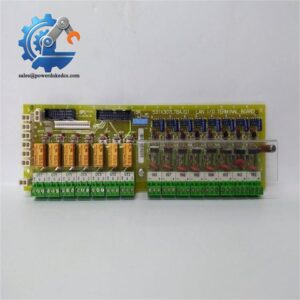
When an electro-hydraulic servo channel develops a feedback or wiring fault, the turbine can lose accurate valve-position control even though the upstream controller remains healthy. The GE IS200TSVCH1AED is a TSVC Servo I/O Terminal Board in the Speedtronic Mark VI family, providing the physical interface between servo-control electronics, servo-valve circuits, and LVDT feedback. Technical references for the TSVC board identify two servo output channels and support for up to eight LVDT inputs, with the board serving as the field termination point for these signals.
The hard value is preserving the existing servo-control architecture rather than replacing the complete control rack. The board’s servo-output circuits connect to the corresponding servo-control electronics, while its LVDT interface accepts redundant position-feedback signals used for valve-position monitoring and control diagnostics. In simplex installations, jumper selections such as JP1 and JP4 establish the appropriate servo-coil current for the two channels; in TMR arrangements, separate jumper groups are used for the individual servo coils. That makes configuration capture critical. A replacement board can be electrically healthy yet produce a servo-channel fault if its coil-current jumpers or field wiring do not match the original installation.
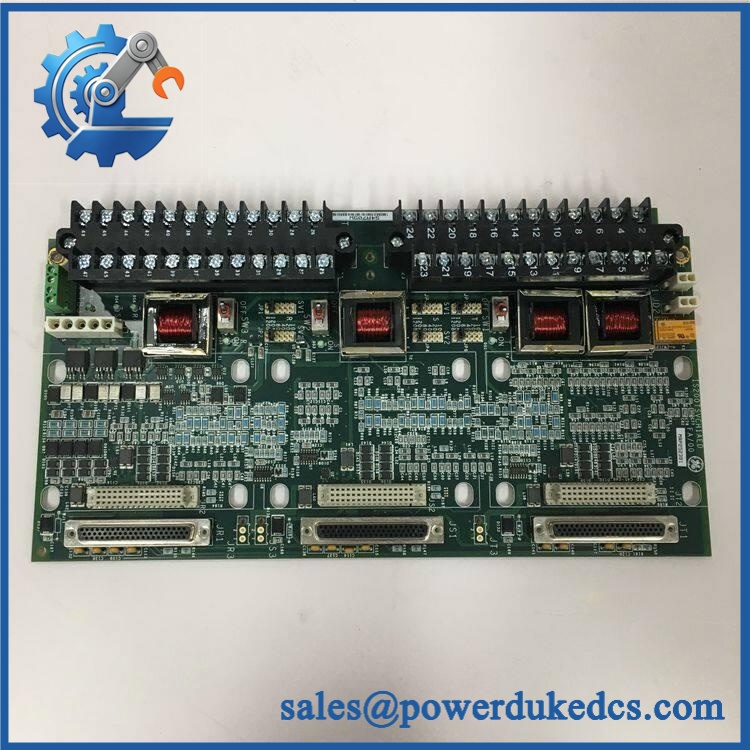
GE IS200TSVCH1AED
Module 4: Compatibility & Installation Traps
Migration/Compatibility
- Replacement status: GE Mark VI TSVC Servo I/O Terminal Board
- Functional acronym: TSVC
- Logic rewrite: Normally not required for a like-for-like terminal-board replacement when the existing Mark VI servo configuration is preserved.
- Firmware flash: Not applicable to the passive terminal board itself.
- Drop-in status: Potentially direct when the complete board number, revision, servo configuration, field wiring, and mating control hardware match.
- Servo channels: 2 independent servo output channels.
- LVDT interface: Up to 8 LVDT inputs are identified for the TSVC board.
- Related board identification: The base IS200TSVCH1A is documented as a Servo I/O Terminal Board; the supplied IS200TSVCH1AED should be matched by complete nameplate and revision marking.
⚠️ Field Traps (Watch Out)
- Servo-coil current jumpers: In simplex applications, JP1 and JP4 are used for servo-channel coil-current selection; incorrect settings can produce poor servo response or hardware stress. TMR configurations use additional jumper positions.
- LVDT channel mapping: Do not move LVDT wiring by physical proximity alone. The installed sensor arrangement, redundancy scheme, and regulator assignment must match the Mark VI configuration.
- Servo output hazard: The board interfaces with electro-hydraulic servo hardware. Verify that the associated hydraulic system is in a safe maintenance state before disconnecting servo circuits.
- Revision mismatch: The TSVC family contains revision-specific hardware. Match the complete IS200TSVCH1AED identification rather than relying on the TSVC acronym alone.
- ESD handling: Protect the exposed PCB and terminal interfaces using grounded ESD procedures during removal and installation.
Module 5: Quality Assurance SOP
Before shipment, the GE IS200TSVCH1AED should undergo a servo-interface-specific QA sequence:
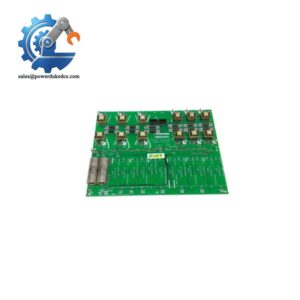
- OEM anti-counterfeit visual inspection — verify GE/GE Energy identification, IS200TSVCH1AED catalog number, TSVC functional acronym, PCB markings, terminal layout, and board construction.
- Revision verification — document every visible board revision and compare it against the requested unit.
- Mechanical inspection — examine terminal blocks, board connectors, mounting holes, jumper headers, PCB surfaces, and mechanical retention hardware for damage or contamination.
- Jumper-configuration inspection — record JP1/JP4 and applicable additional jumper positions before functional testing.
- Continuity verification — check relevant servo-output and LVDT signal paths against the approved Mark VI wiring documentation.
- Controlled power/interface test — use the appropriate Mark VI test environment to verify board-level interface behavior without connecting to a live turbine.
- Servo-output verification — apply controlled simulated commands through the mating control hardware and confirm expected output response.
- LVDT input verification — use an approved LVDT simulator or equivalent test fixture to verify representative feedback channels and signal integrity.
- Diagnostic verification — confirm expected healthy/fault indications for representative servo-feedback conditions.
- Final QC record — document exact part number, revision, jumper configuration, test fixture, measured signals, photographs, and packaging condition.
For this board, a continuity check alone is insufficient. Servo-output response, LVDT feedback integrity, and jumper configuration are the meaningful acceptance checkpoints.
Module 6: CRO-Driven Buyer FAQ
1. Is GE obsolete, and how do I verify an authentic replacement?
The IS200TSVCH1A is documented as a GE Mark VI Servo I/O Terminal Board, and current industrial references continue to identify the TSVC family as legacy turbine-control hardware. For procurement, verify the complete marking, functional revision, PCB identification, and terminal arrangement rather than ordering against “TSVC” alone.
2. Can I hot-swap the ?
Do not assume hot-swap capability. This board interfaces with turbine servo-control and feedback circuits. Place the turbine and hydraulic system in the approved maintenance state, isolate applicable electrical sources, and follow site LOTO procedures before disconnecting the terminal board.
3. Will replacing the TSVC board require reprogramming the Mark VI system?
Normally not for a like-for-like terminal-board replacement. The control logic and application software reside elsewhere in the Mark VI architecture. However, the board’s jumper configuration, field wiring, servo-channel assignment, and LVDT mapping must match the original installation before returning the system to service.
4. How many servo and LVDT channels does the TSVC board support?
Technical references identify 2 servo output channels and support for up to 8 LVDT inputs on the IS200TSVCH1A family. The actual field utilization depends on whether the turbine uses simplex or TMR servo architecture and how the board is configured.
5. What warranty and technical support are available?
Warranty duration should be stated according to the actual inventory condition, such as new surplus or tested refurbished. Technical support should cover exact board identification, Mark VI compatibility, servo/LVDT wiring review, jumper-setting verification, and documented pre-shipment functional testing. Turbine servo calibration, hydraulic commissioning, and safety-critical control changes remain the responsibility of qualified turbine controls personnel.


 Start Chat