

Description
- Brand: GE
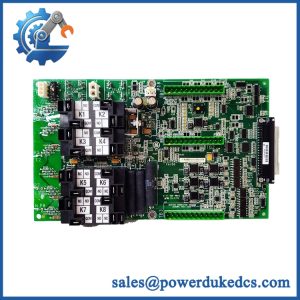
- Full Model Number: IS210MACC1ACC + IS200MACC1ACC
- Lifecycle Status: Legacy / Obsolete
- Core Function: Mark VI control and interface board assembly
- Top 3 Technical Specs: IS210 MACC transition carrier/interface; IS200 MACC1ACC legacy board; Mark VI control-system application
- Stock & Condition: Exact assembly verification required; New Surplus / Tested Refurbished; Emergency dispatch subject to QA release
Module 3: Obsolescence & Supply Chain Deep Dive
A failed GE Mark VI board can turn a routine maintenance event into a sourcing problem when the original IS200-generation hardware is no longer readily available. The IS210MACC1ACC+IS200MACC1ACC combination should be treated as a matched hardware assembly rather than two unrelated catalog numbers. The IS200 board represents the original Mark VI hardware platform, while IS210 assemblies belong to GE’s later replacement-board format. For a procurement team supporting an installed Mark VI cabinet, matching the complete assembly is critical because connector arrangement, mounting, and interface architecture can differ between apparently similar boards.
The TCO case for preserving the installed platform is straightforward. A verified replacement can avoid cabinet redesign, field rewiring, control-logic changes, commissioning labor, outage extension, and a broader migration project. That matters most when the failed board is only one component in an otherwise serviceable Mark VI installation. Buying a tested legacy assembly also buys maintenance time; however, the exact board revision, backplane/interface relationship, application slot, and mating connectors should be confirmed before the PO is released. A replacement that is functionally similar but mechanically or electrically different can create far more cost than the original failure.
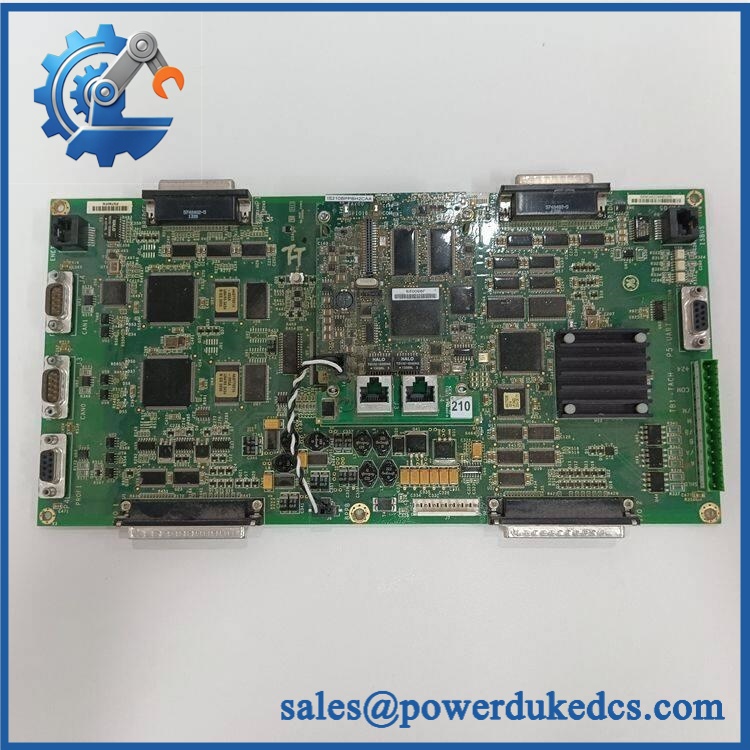
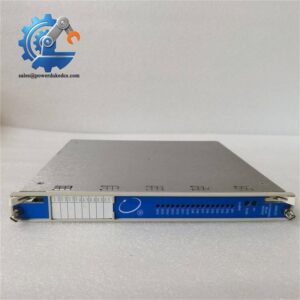
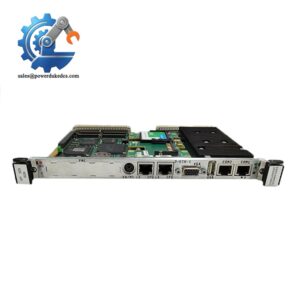
- GE IS210MACC1ACC IS200MACC1ACC
Module 4: Compatibility & Replacement Matrix
| Replacement Scenario | Classification | Engineering / Procurement Guidance |
|---|---|---|
Exact IS210MACC1ACC + IS200MACC1ACC assembly replacing the same installed configuration |
Drop-in Replacement — subject to verification | Match both part numbers, revisions, connectors, mounting, and cabinet location |
| IS210 replacement for an IS200 assembly | Software Compatible / Hardware Verification Required | Do not assume universal interchangeability; confirm the GE replacement relationship and application |
| Different MACC family revision | Engineering Review Required | Verify connector pinout, board revision, hardware configuration, and associated firmware |
| Conversion to a newer control architecture | Hardware Modification | Requires system-level engineering, configuration work, and commissioning |
Estimated switch cost/time: For a verified spare already available on-site, plan approximately 2–6 hours for controlled removal, installation, wiring verification, configuration review, and functional checkout. A sourced replacement may require 1–5 business days for inspection and expedited transportation. Actual outage duration depends on the Mark VI cabinet configuration and site procedures.
Field Traps — Watch Out
- Two-part assembly risk: Do not quote or purchase only the IS210 or IS200 component unless the installed configuration documentation explicitly confirms that the individual board is serviceable by itself. The supplied identifier contains both
IS210MACC1ACCandIS200MACC1ACC. - Revision mismatch: Matching the base model number alone may be insufficient. Verify board revision, connector layout, jumpers, labels, and mating hardware against the existing installation.
- IS200 vs. IS210 architecture: An IS210-design replacement should not automatically be assumed to be a universal plug-in substitute for every installation. Confirm the approved GE hardware relationship for the specific cabinet and application.
- Configuration retention: Record existing firmware, configuration data, and hardware settings before removing the failed assembly.
Module 5: Quality Assurance & Testing SOP
Legacy GE control assemblies require more than a visual pass. The complete part-number combination should be verified and documented before shipment.
- Part-number verification: Confirm
IS210MACC1ACCandIS200MACC1ACC, revision markings, serial/traceability information, and all visible GE identification labels. - OEM anti-counterfeit visual inspection: Inspect GE labels, PCB markings, connector geometry, component population, solder quality, mounting features, and evidence of unauthorized modification.
- Assembly relationship check: Confirm the and components are the correct mating/configuration combination for the stated application.
- PCB condition inspection: Check for corrosion, cracked components, damaged edge contacts, contaminated connectors, lifted pads, thermal discoloration, and physical deformation.
- Continuity testing: Verify applicable power, ground, and accessible signal paths before functional energization.
- Power-on self-test (POST): Where the correct Mark VI test environment is available, energize the assembly and verify expected startup behavior, status indications, and absence of hardware fault conditions.
- Communication/interface testing: Confirm the board establishes expected communication with the associated GE control hardware and test environment.
- I/O functional testing: Exercise supported signal paths using controlled test inputs and verify corresponding responses.
- I/O load testing: Apply representative simulated loads where supported by the test fixture and monitor signal stability and board temperature.
- Extended observation: Operate the assembly under controlled conditions to identify intermittent faults that may not appear during a cold-start test.
- Configuration verification: Record firmware and relevant hardware settings, including jumper or switch positions where applicable.
- Final QC release: Attach test results, photographs, serial/traceability data, revision information, condition grade, and QC approval to the shipment record.
No unit should be classified as “tested” unless the test scope is documented. For legacy Mark VI inventory, that distinction matters during both procurement review and post-installation troubleshooting.
Module 6: Procurement & Lifecycle FAQ
Q1. Is the GE +IS200MACC1ACC assembly genuinely in stock, and what is the cutoff for emergency shipping?
Physical stock should be verified against both part numbers and the actual assembly before an emergency order is accepted. Same-day dispatch depends on QA status, warehouse location, carrier collection time, and destination. A confirmed emergency shipment should therefore be based on the specific unit available for inspection.
Q2. How do you guarantee the condition and authenticity of this obsolete GE assembly?
The appropriate qualification process includes exact part-number verification, OEM visual inspection, revision and serial-number recording, PCB inspection, controlled electrical testing, functional verification, and final QC documentation. Photographs of the actual boards should be retained with the procurement record.
Q3. Can an replace an directly?
Not universally. The two identifiers represent different GE hardware generations/formats, and the correct replacement relationship depends on the specific Mark VI cabinet, mounting arrangement, connectors, revision, and application. Procurement should approve the complete assembly only after those parameters are matched.
Q4. Are firmware compatibility issues something engineers should check before issuing the PO?
Yes. Record the existing Mark VI firmware and configuration before replacement. Also document connector positions, jumper or switch settings, and any associated control-module configuration. Hardware compatibility does not eliminate configuration requirements.
Q5. What warranty and return terms should be written into the PO?
Specify the warranty duration, DOA coverage, functional-failure coverage, return authorization process, inspection period, and serial-number traceability requirements. For tested refurbished inventory, require the actual test record and define whether failures discovered during commissioning are covered.


 Start Chat