

Description
- Brand: GE General Electric
- Full Model Number: IS215AEPAH1CA + IS200AEPAH1A + IS210BPPBH2B
- Lifecycle Status: Legacy / service-life support dependent
- Core Function: Mark VIe wind turbine Alternative Energy Pitch Axis control assembly
- Top 3 Technical Specs: AEPA pitch-axis control; IS200AEPAH1A AEPA base board; IS210BPPBH2B BPPB processor board
- System: GE Mark VIe Wind Turbine Control
- Primary Application: Wind turbine blade pitch control
- Processor Architecture: BPPB/BPPC compatibility is configuration-dependent
- PCB Construction: Conformal-coated GE board assemblies reported for the listed hardware
- Stock & Condition: Exact bundle stock confirmation required; New Surplus / Tested Refurbished; Emergency shipping subject to warehouse cutoff
Module 3: Obsolescence & Supply Chain Deep Dive
A wind-turbine pitch-control failure can place an entire turbine out of service even when the generator, converter, and supervisory controls remain healthy. The GE AEPA is a dedicated Alternative Energy Pitch Axis module for Mark VIe wind systems, controlling the pitch function of an individual blade through the turbine control architecture. GE documentation identifies the AEPA as a special-purpose I/O module, while field references identify IS215AEPAH1C-class assemblies as AEPA module assemblies.
The important procurement issue here is the three-part identification. IS200AEPAH1A is the underlying AEPA board, while IS210BPPBH2B is a BPPB processor board used with Mark VIe distributed I/O hardware. GE documentation explicitly states that AEPAH1A is BPPB-based and that AEPAH1C is BPPC-based; it also documents H2B support within the broader BPPx compatibility framework. Therefore, the supplied string should be treated as a specific assembly/bill-of-materials combination requiring configuration verification, not as proof that every one of the three numbers can be substituted independently.
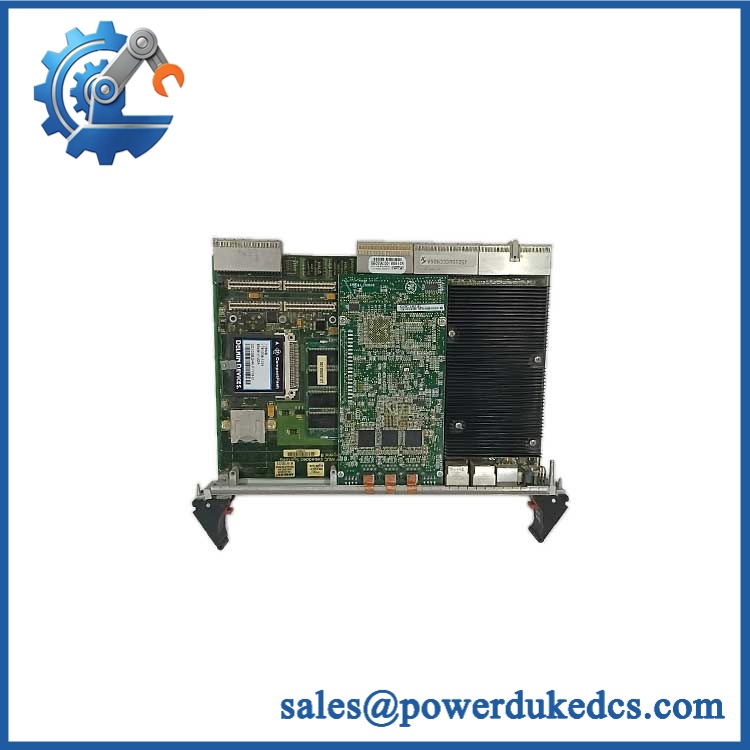
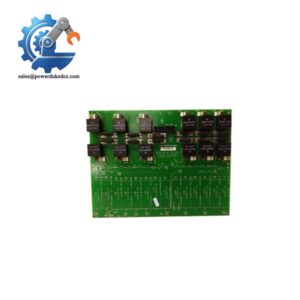
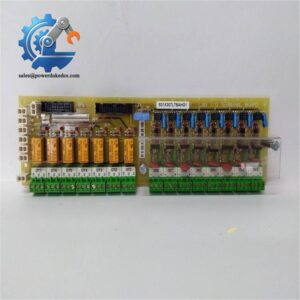
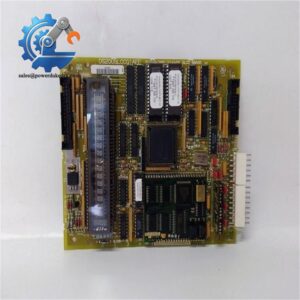
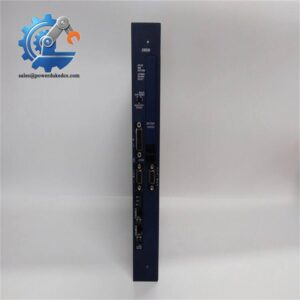
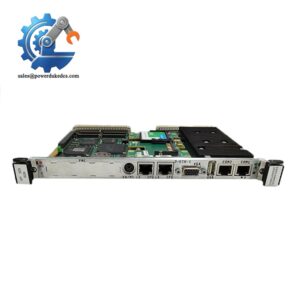
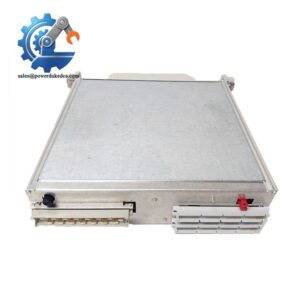
GE IS215AEPAH1CA
Module 4: Compatibility & Replacement Matrix
| Approval Item | Engineering Assessment |
|---|---|
| Exact assembly replacement | Drop-in Replacement only when the complete assembly matches the installed AEPA configuration |
| IS215AEPAH1CA substitution | Configuration-dependent; verify controller software, processor generation, and installed AEPA revision |
| IS200AEPAH1A substitution | Not automatically interchangeable with every AEPA assembly revision |
| IS210BPPBH2B substitution | Processor-specific; verify BPPB compatibility before installation |
| Software Compatibility | Required verification through ControlST configuration and module identification |
| Firmware Flash | Potentially required after processor/module replacement, depending on the installed Mark VIe configuration |
| Hardware Modification | Normally none for an approved assembly-level replacement |
| Estimated Physical Swap | 2–6 hours for qualified wind-turbine service personnel |
| Engineering / Commissioning Allowance | 500–2,500 planning range |
| Outage Exposure | High if configuration verification is skipped; lower when a tested matched assembly is staged before intervention |
GE’s own wind-turbine documentation states that the AEPAH1A version uses a BPPB processor board, while the AEPAH1C version uses a BPPC processor board. It also notes that AEPA module parameters are tested and preset during assembly and commissioning. That makes exact hardware/revision matching especially important for a field replacement.
⚠️ Field Traps — Watch Out
- H1C vs H1A Processor Generation: Do not assume that an IS215AEPAH1CA assembly can be recreated simply by combining an IS200AEPAH1A with an IS210BPPBH2B. GE documentation distinguishes the BPPB-based AEPAH1A from the BPPC-based AEPAH1C. Confirm the actual assembly revision and processor type installed on the turbine.
- ControlST / Firmware Configuration: AEPA parameters are turbine-specific and commissioning-related. A replacement may require configuration download or parameter verification before the pitch axis can be returned to service.
Module 5: Quality Assurance & Testing SOP
- OEM anti-counterfeit visual inspection — verify GE identification, board legends, labels, PCB construction, connectors, component placement, conformal coating, and assembly markings.
- Three-part identification audit — photograph and record IS215AEPAH1CA, IS200AEPAH1A, and IS210BPPBH2B separately before testing.
- Assembly relationship verification — confirm that the processor board, AEPA base board, and complete module assembly correspond to the same intended hardware configuration.
- Connector and mechanical inspection — check pins, sockets, mounting hardware, standoffs, board edges, harness interfaces, and signs of arcing or overheating.
- Electrical pre-screening — perform continuity, resistance, insulation, grounding, and supply-path checks before energized testing.
- Power-on self-test (POST) — energize the module in an approved Mark VIe test environment and verify expected startup, processor status, module identification, and diagnostic indications.
- AEPA I/O verification — test applicable pitch-position feedback, motor/control signals, diagnostic inputs, and commanded outputs using controlled simulation.
- Processor communication testing — verify BPPB communication with the Mark VIe IONet/test controller as applicable to the exact hardware configuration.
- Pitch-axis functional simulation — run controlled command/feedback sequences to confirm signal scaling, direction, position response, permissives, and fault handling.
- Firmware/configuration verification — record firmware revision and confirm the installed configuration can recognize the replacement hardware before release.
- Extended run test — monitor for intermittent communication loss, unexpected processor resets, abnormal temperature rise, or diagnostic alarms.
- Final QC release — issue a test report, retain serial/part-number photographs, use ESD-safe packaging, and identify the shipped assembly by exact hardware revision.
GE documentation specifically identifies AEPA as a dedicated wind pitch I/O module and states that AEPA parameters are preset and tested during assembly and commissioning. GE release documentation also records software changes affecting AEPAH1A behavior, reinforcing the need to verify the software/hardware combination rather than relying on a visual match.
Module 6: Procurement & Lifecycle FAQ
Q1. Is the complete IS215AEPAH1CA + + combination genuinely in stock, and what is the emergency-shipping cutoff?
Confirm the complete three-part configuration rather than checking only the headline IS215AEPAH1CA number. For emergency requirements, the exact quantity and destination should be supplied before the warehouse dispatch cutoff so the correct assembly can be allocated and tested.
Q2. How do you verify the condition and authenticity of this legacy GE assembly?
Require identification photographs for every board, PCB and connector inspection, electrical screening, processor/module diagnostics, AEPA I/O simulation, communication testing, and a retained QC test record. The three numbers should be cross-checked against one another before shipment.
Q3. Are there firmware compatibility issues engineers should check before issuing the PO?
Yes. This is the most important approval point. GE documentation distinguishes AEPAH1A/BPPB hardware from AEPAH1C/BPPC hardware, and AEPA operation depends on the Mark VIe software configuration. Engineers should verify the installed AEPA revision, BPP processor generation, ControlST compatibility, and turbine-specific parameters before authorizing substitution.
Q4. Can and be purchased separately as replacements for ?
Not without engineering verification. The available documentation indicates that AEPA assemblies are built around defined processor-board generations. A physically compatible board does not automatically constitute an electrically or software-compatible replacement for a different assembly revision.
Q5. What warranty and return terms should procurement require?
Require a written warranty covering the exact shipped assembly and its identified board revisions. The PO terms should define DOA testing, return authorization, serial-number traceability, and exclusions for installation damage, incorrect configuration, or unauthorized field modification.


 Start Chat