

Description
- Brand: GE / General Electric
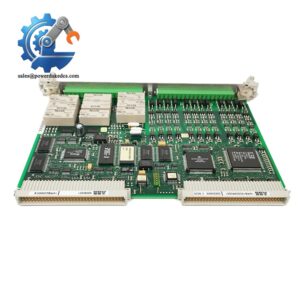
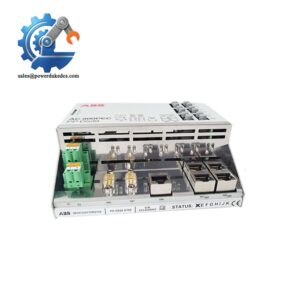
- Full Model Number: PCH1026
- Lifecycle Status: Legacy / Obsolete status requires verification
- Core Function: Power control hardware module
- Product Family: GE industrial control hardware
- Top 3 Technical Specs: PCH1026 model designation | Industrial control hardware assembly | Application-specific GE system interface
- System Compatibility: Verify against the installed GE equipment and hardware revision
- Interface: Application-dependent; verify terminal and connector configuration from the installed unit
- Stock & Condition: Physical stock and condition to be confirmed per quotation; New Surplus or Tested Refurbished where available
- Supply Mode: Direct industrial spare-parts supply; emergency dispatch subject to confirmed inventory and carrier cutoff
Obsolescence & Supply Chain Deep Dive
For legacy GE control equipment, a failed PCH1026 can create a sourcing problem that is larger than the component’s physical size. Replacement decisions depend on the exact GE equipment family, hardware revision, electrical interface, and installed configuration. PCH1026 should therefore be treated as an application-specific spare rather than assumed to be a universal GE control module. Before procurement approval, the engineering team should compare the replacement unit against the existing nameplate, connectors, board markings, and system documentation.
The TCO advantage comes from preserving the existing control architecture when the replacement is genuinely equivalent. A verified spare can avoid the engineering hours associated with redesigning wiring, changing control logic, updating drawings, and recommissioning an entire subsystem. That benefit disappears if the replacement is incorrectly matched. For this reason, the PO package should include the exact PCH1026 marking, equipment model, hardware revision, and actual-unit photographs whenever available (particularly important when factory-new supply is constrained and surplus inventory is being considered).
Compatibility & Replacement Matrix
| Replacement Scenario | Assessment | Engineering / Procurement Guidance | Estimated Switch Time |
|---|---|---|---|
| PCH1026 replacing an identical with matching hardware configuration | Drop-in Replacement subject to system verification | Confirm model marking, revision, connectors, and installed equipment before shipment | Approx. 2–6 hours |
| with different hardware revision | Software Compatible — verification required | Compare revision data and system requirements before energization | Approx. 4–8 hours |
| Different GE module substituted for | Not automatically compatible | Requires engineering review of electrical interfaces, firmware, and control logic | Approx. 1–3 days |
| Different-generation control hardware | Hardware Modification | May require wiring changes, logic conversion, panel modification, and commissioning | Several days to several weeks |
Field Traps — Watch Out
- Application mismatch: Do not approve solely because the model number appears similar to another GE control module. Confirm the exact equipment family and installed application.
- Hardware revision: Compare PCB, connector, terminal, and revision markings against the failed unit before shipment. A model-number match does not establish complete interchangeability.
- Configuration retention: Record existing system parameters and control settings before removing the failed hardware whenever the system permits.
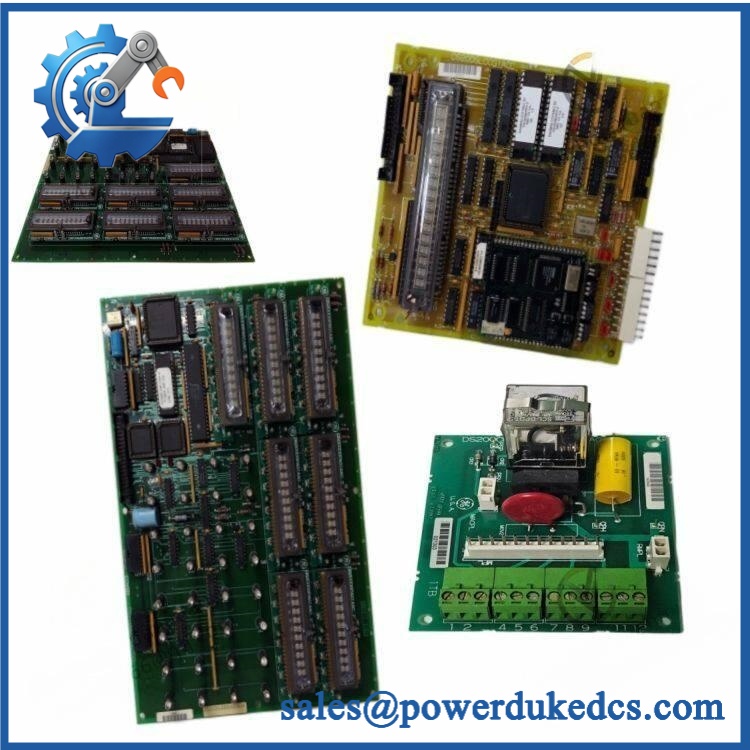
GE PCH1026
Quality Assurance & Testing SOP
Because is an application-dependent GE control component, testing should be performed against the appropriate equipment or an approved laboratory test fixture rather than relying on cosmetic inspection.
- OEM anti-counterfeit visual inspection: Verify GE markings, identification, labels, PCB construction, connectors, and visible manufacturing details.
- Nameplate verification: Record model number, serial information, hardware revision, and other accessible identification data.
- Mechanical inspection: Check housing, PCB, terminals, connectors, mounting points, and component surfaces for cracks, corrosion, contamination, or unauthorized modification.
- Power-on self-test (POST): Where the appropriate test platform is available, energize the module under controlled conditions and monitor startup behavior and diagnostic indications.
- Status LED verification: Check all applicable RUN, ERR, alarm, or status indicators for expected operation.
- I/O load testing: Exercise applicable inputs and outputs using a controlled test fixture or approved system-level test procedure.
- Interface verification: Check connector continuity and applicable control or communication interfaces against the equipment-specific test procedure.
- Functional response testing: Simulate representative operating conditions where supported and verify expected control response.
- Thermal observation: Monitor the module during an extended controlled run for abnormal heating, intermittent behavior, or unexpected shutdown.
- Final traceability: Photograph the actual unit, record identification information, document test results, and retain the inspection record with the shipment.
- ESD-safe packaging: Package the electronic assembly using appropriate electrostatic and mechanical protection.
Procurement & Lifecycle FAQ
Is the GE genuinely in stock, and what is the cutoff for emergency shipping?
Physical inventory should be confirmed before the PO is accepted. For emergency requirements, provide the required quantity and destination so the available unit, condition, and carrier cutoff can be confirmed before dispatch.
How do you verify the condition and authenticity of a surplus ?
The unit should undergo model and nameplate verification, physical inspection, connector and PCB inspection, controlled power-on testing where the correct test platform is available, and applicable I/O or functional testing.
Can be treated as a universal GE replacement module?
No. should be matched to the exact GE equipment and application. Engineering should verify the equipment model, hardware revision, electrical interfaces, and configuration before issuing the PO.
Are there firmware compatibility issues to check?
Any firmware or configuration dependency should be verified against the host GE system before installation. Do not assume compatibility from the model number alone.
What warranty and return terms apply?
Warranty duration, return eligibility, and exclusions should be stated on the quotation according to the actual unit condition and testing status. These terms should be confirmed in writing before the PO is issued.


 Start Chat