

Description
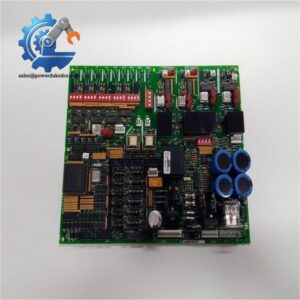
- Brand: GE Fanuc / VMIC
- Full Model Number: VMIVME-7486
- System/Series Family: VMIVME VMEbus CPU family
- Core Function: 486 PC/AT-compatible single-board computer for VMEbus-based control and legacy industrial computing
- Top 3 Hardcore Specs: 66 MHz 486 CPU; up to 16 MB DRAM; 1 MB SVGA video DRAM with 1024 × 768 non-interlaced output
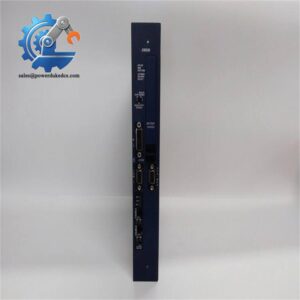
- I/O: 2 × RS-232C; 1 × Centronics parallel; PS/2-style keyboard interface; onboard IDE and floppy controllers
- VMEbus: Interrupt handler, interrupter, system controller, three-way byte swapping
- Board Format: 6U single-slot VMEbus
- Operating Systems: DOS; Windows
- Stock Status: New Surplus subject to exact unit condition verification
The 66 MHz CPU, 16 MB maximum DRAM, 6U single-slot format, and onboard PC/AT I/O are documented in the VMIC product literature.
Technical Product Introduction
A failed CPU in an older VME chassis can stop an entire control or test platform even when the I/O boards remain healthy. The GE VMIVME-7486 addresses that specific replacement problem as a 486 PC/AT-compatible VMEbus processor board. Its architecture combines CPU processing with VMEbus control functions, interrupt handling, onboard Super VGA, dual RS-232C ports, Centronics parallel I/O, keyboard support, real-time clock circuitry, and IDE/floppy disk control. At power-up, the board is initially isolated from the VMEbus until the required VMEbus access control is established, a detail that matters during system recovery and commissioning.
For legacy applications, the important figure is architectural continuity rather than modern processor speed. The VMIVME-7486 runs at 66 MHz and supports up to 16 MB of DRAM, with 8 KB of four-way set-associative cache-on-chip and 1 MB of video DRAM supporting 1024 × 768 non-interlaced SVGA output. Three-way byte-swapping hardware also handles little-endian and big-endian interfacing across the VMEbus. That combination can reduce the need to redesign an established VME application around a newer computing platform — particularly when DOS-era software, disk interfaces, or existing VME timing behavior are still part of the production system.
Application Scenarios & Field Realities
- Legacy machine control: In a VME-based machine controller running DOS or an older Windows environment, replacing the processor with the same VMIVME-7486 architecture can preserve the existing boot process and application environment. The practical advantage is avoiding an unnecessary software migration when the real failure is simply the CPU board.
- Industrial test equipment: Where a test rack uses serial instruments through the two RS-232C ports and local video through SVGA, the board’s integrated PC/AT interfaces keep those legacy connections on the processor itself. A replacement should therefore be checked against the installed cables, disk configuration, and display requirements before shipment.
- VME data acquisition systems: If the chassis relies on VME interrupts, byte swapping, and direct VME memory access, the VMIVME-7486 is suited to architectures that were built around those functions rather than around Ethernet-first communications. The byte-order hardware is especially relevant when the application exchanges data between processors or VME peripherals using different data representations.
- Slot-1 VME controller applications: In a chassis where the 7486 is configured as the system controller, bus arbitration, system clock, SYSRESET*, IACK daisy-chain control, and bus-error timing become part of the installation check. A configuration change that looks minor at the board level can alter overall VMEbus behavior.
Migration, Compatibility & Installation Traps
Replacement Matrix
| Replacement Condition | Classification | Engineering Requirement |
|---|---|---|
| Same VMIVME-7486 model and matching board configuration | Drop-in Replacement | Verify chassis slot assignment, jumpers, memory configuration, disk setup, and installed accessories before power-up |
| Moving from another legacy VMIC/GE VME CPU to | Software Compatible Only When Validated | Confirm CPU-dependent software, operating-system image, memory usage, VME address mapping, and peripheral drivers |
| Replacing the with a newer CPU platform using different VME or PC architecture | Hardware Modification Required | Expect changes to software, storage interfaces, VME configuration, cabling, and potentially the chassis integration |
The itself is documented as a 6U single-slot VMEbus CPU with 66 MHz processing, PC/AT compatibility, and integrated VMEbus controller functions. A different CPU family should not be treated as a direct plug-in substitute solely because it uses the same VMEbus chassis.
Field Traps to Watch
VMEbus access during startup: After power-up or a system reset, the board is isolated from the VMEbus until the appropriate VMEbus Access Control Register setting is established. A board that passes basic POST checks can therefore still appear inactive to the rest of the chassis until software initialization is complete.
System-controller jumper configuration: When installed in a slot-1 application, the may be jumpered for bus arbitration, 16 MHz system clock, SYSRESET* generation, IACK daisy-chain control, and bus-error timing. The manual specifies an approximately 10 µs factory bus-error timer setting; when that timer is disabled, the manual states that the chassis must provide the timeout and that reliable operation requires the timeout to remain within an 8 ms limit because of DRAM refresh requirements.
Battery-backed RTC: The board uses an onboard battery for the real-time clock/calendar. During restoration work, verify date/time retention and the battery condition rather than assuming an old stored unit will retain configuration exactly as expected.
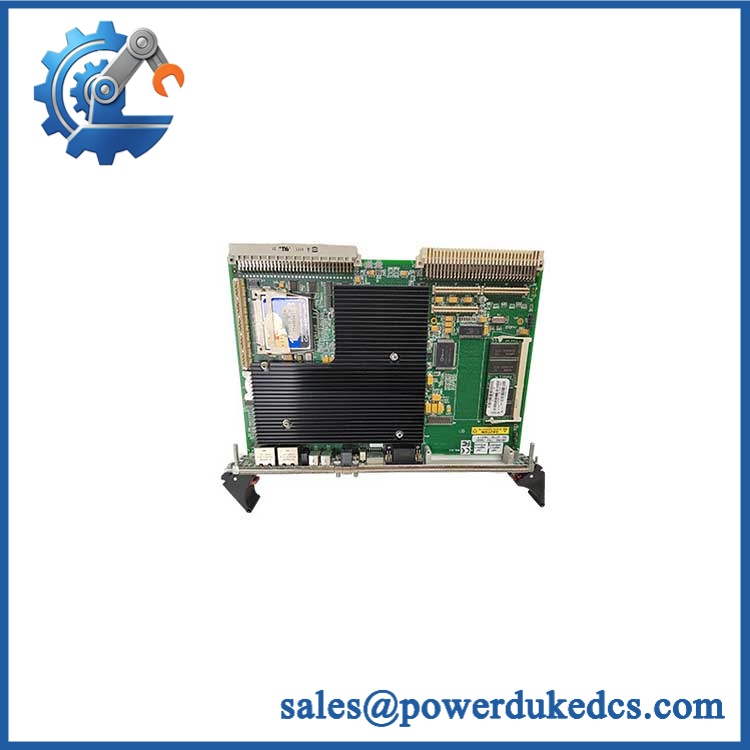
GE VMIVME-7486
Quality Assurance SOP
Our pre-shipment process for a is structured around board identity, power-up behavior, VMEbus function, and interface verification.
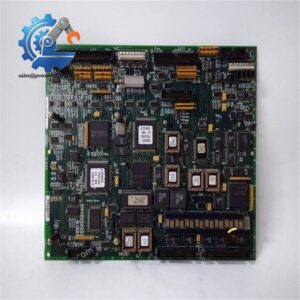
- OEM anti-counterfeit visual inspection: Check the GE/VMIC identification, PCB silkscreen, part-number labels, assembly markings, connector condition, component population, solder quality, and board revision against the expected configuration.
- Physical inspection: Examine VMEbus connector pins, front-panel interfaces, mounting hardware, storage headers, and visible component damage. No cracked PCB, bent backplane connector pins, corrosion, or obvious overheating marks should be accepted.
- Power-on self-test: Apply controlled power and record POST behavior, processor startup, display output where configured, and status indications. ERR/RUN indications are checked where that particular board revision provides them.
- Memory verification: Test the installed DRAM configuration and verify that the detected memory corresponds to the unit’s stated configuration.
- Video verification: Confirm Super VGA initialization and the expected 1024 × 768 non-interlaced output capability where a compatible display setup is available.
- Communication handshake verification: Perform RS-232C interface checks using a controlled loopback or known-good serial test setup; verify that both serial channels respond correctly.
- VMEbus functional test: Verify VMEbus access, address/data transactions, interrupt behavior, and byte-swapping operation using a compatible VME test environment. The board’s documented access-control behavior is included in the test procedure.
- Storage interface check: Where the supplied configuration includes connected storage hardware, verify IDE and floppy controller recognition before final packing.
- Final QA record: Record model number, visible revision markings, test results, defects found, corrective action, and final packed condition before dispatch.
For surplus inventory, the exact RAM population, board revision, included storage hardware, and battery condition should be confirmed against the physical unit rather than assumed from the base model number.



 Start Chat