

Description
- Brand: GE / VMIC
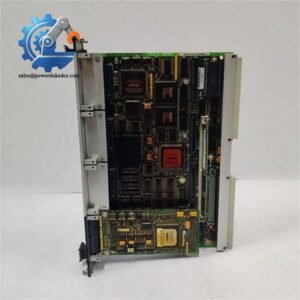
- Full Model Number: VMIVME-7658
- System/Series Family: VMIC VMEbus Industrial Computer / Processor Platform
- One-Sentence Core Function: VMEbus-based processor board for computing and control functions within legacy industrial computer and automation systems
- Top 3 Hardcore Specs: VMEbus architecture; embedded processor platform; industrial chassis integration
- Stock Status: New Surplus — stock confirmation required
Technical Product Introduction
The GE VMIVME-7658 belongs to the VMIC VMEbus computing family and is intended for industrial computer architectures in which processing, I/O, and application functions are distributed across a VME backplane. In a maintenance environment, its primary role is to preserve an existing VME-based computing platform when a processor board becomes unavailable or fails, reducing the need to immediately redesign the complete chassis and application architecture.
Processor-board replacement requires more than confirming the front-panel model number. The installed CPU configuration, memory population, VME resource allocation, boot device, operating system, application image, and installed I/O hardware should be compared with the replacement unit. For legacy systems, these dependencies can determine whether a replacement operates as a direct service part or requires configuration work before the machine can return to production.
Application Scenarios & Field Realities
- Legacy VME industrial computers: Used where the VME chassis, backplane, application software, and peripheral boards remain operational and the processor is the failed component.
- Machine-control platforms: Applicable to older automated equipment where deterministic VME-based processing remains tied to established application hardware and field I/O.
- Industrial test and measurement: Suitable for maintaining VME computer systems used for equipment testing, data acquisition, and control applications.
- Lifecycle extension projects: Provides a service option when maintaining the original VME architecture is preferable to replacing the complete computer and I/O stack.
Before installation, record the original board’s processor configuration, memory, boot media, firmware or BIOS settings, and connected VME modules. A physically matching processor board can still require system-level configuration before application startup.
Migration, Compatibility & Installation Traps
Replacement Matrix
| Replacement Criterion | VMIVME-7658 Assessment |
|---|---|
| Drop-in Replacement | Conditional — verify processor configuration, hardware revision, memory, boot configuration, and chassis requirements |
| Software Compatible | Conditional — verify operating system, BSP/device drivers, application image, and VME I/O dependencies |
| Hardware Modification Required | Normally no for an exact configuration match; modifications may be required for a different processor or peripheral architecture |
Installation Traps
Processor configuration mismatch: Confirm the installed VMIVME-7658 configuration before ordering. Processor generation, memory configuration, and board revision can affect system startup and application behavior.
Boot-media dependency: Preserve the existing boot media and application image before replacing the CPU board. A functioning replacement processor does not automatically contain the software environment required by the original machine.
VME resource allocation: Verify memory, I/O, and interrupt resources used by the processor and installed VME modules. Resource conflicts can appear only after the operating system or application starts.
BIOS and system settings: Record relevant BIOS, boot-order, and hardware configuration parameters from the original system where accessible. These settings may be necessary when commissioning a replacement board.
Thermal and mechanical conditions: Confirm airflow, card guides, rear transition hardware, and chassis power capacity. A processor board should be evaluated as part of the complete VME enclosure rather than as an isolated PCB.
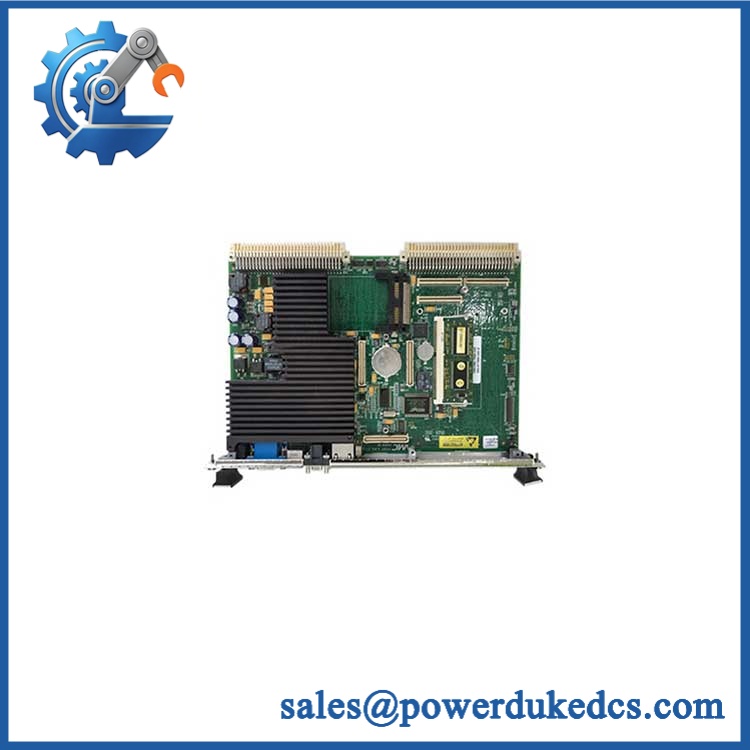
GE VMIVME-7658
Quality Assurance SOP
Each VMIVME-7658 supplied from surplus inventory should undergo a documented inspection and functional test sequence:
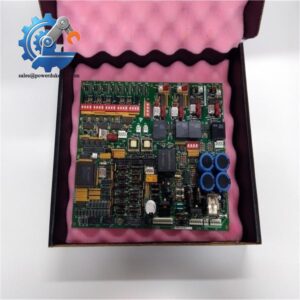
- OEM Visual Inspection — inspect GE/VMIC identification, model marking, revision information, PCB condition, processor area, memory devices, connectors, and evidence of unauthorized rework.
- Part-Number Verification — compare the physical identification label and hardware revision against the ordered VMIVME-7658 configuration.
- Mechanical Inspection — check the VME edge connector, front-panel hardware, ejectors, mounting points, and connector integrity.
- Power-On Self-Test (POST) — install the board in a compatible VME test chassis, apply controlled power, and monitor available ERR/RUN or system-status indicators during startup.
- Processor Startup Test — verify that the processor initializes normally and reaches the expected firmware or boot stage without abnormal fault indications.
- Memory Verification — perform available system memory diagnostics and confirm that installed memory is recognized within the test environment.
- VMEbus Recognition Test — verify normal access to the VMEbus and confirm that the host system can communicate with installed VME resources without bus errors.
- Communication Handshake Verification — exercise applicable VMEbus transactions and verify stable register and data access between the processor and test peripherals.
- Boot and Application Test — where the customer’s software environment is available, verify boot-media recognition, operating-system startup, and application-level hardware recognition.
- Extended Run Observation — operate the board under controlled test conditions long enough to identify intermittent startup, memory, communication, or thermal-related faults.
- Final QA Record — photograph the identification label, record the hardware revision and test results, inspect packaging, and retain the inspection record with the shipment.
For a legacy VMIC installation, the key procurement check is the complete processor configuration and software environment, not the model number alone.


 Start Chat