

Description
- Brand: ABB
- Full Model Number: 216GW62
- ABB Ordering Number: HESG324008
- Additional Identification: HESG112802M14 / HE502032-1735
- Related System: ABB REG 216 Generator Protection System
- Lifecycle Status: Legacy ABB protection hardware / service spare
- Core Function in System: CT/PT input transformer assembly providing signal conditioning and galvanic isolation between primary generator circuits and protection electronics
- Top 3 Hardcore Specs: 50/60 Hz; 5 A nominal current input; 100 V nominal voltage input
- Insulation Rating: 2 kVeff
- Typical Installation: REG 216 electronic equipment rack
- Condition & Lead Time: Factory-sealed or professionally tested inventory subject to stock confirmation; expedited dispatch available for shutdown-critical requirements
ABB documentation identifies 216GW62 as the input transformer module used in REG 216 systems, while field documentation associates HESG324008 with the 216GW62 assembly.
Module 3: Technical Intro & Downtime Impact
A damaged 216GW62 can compromise the measurement path feeding an ABB REG 216 generator protection system. That matters during a fault, but the risk begins earlier: incorrect CT or PT signal conditioning can produce unreliable protection measurements, nuisance alarms, or an unavailable protection channel. The 216GW62 is an input transformer assembly positioned between the primary CT/PT circuits and the electronic protection circuitry. Its job is not simply connection; it provides the required signal adaptation and electrical isolation for the protection measurement path. ABB REG 216 documentation explicitly places the 216GW62 within the protection system architecture.
For a maintenance team, the useful replacement data is specific. The documented 216GW62 configuration uses 50/60 Hz inputs, with 5 A nominal current and 100 V nominal voltage on the identified K03 A5 U1 version; the label also specifies 2 kVeff insulation withstand. Correct CT/PT ratio, terminal assignment, and exact hardware designation should be verified before energization. That check prevents a common protection-system failure mode: physically fitting the replacement while leaving the measurement circuit incorrectly configured.
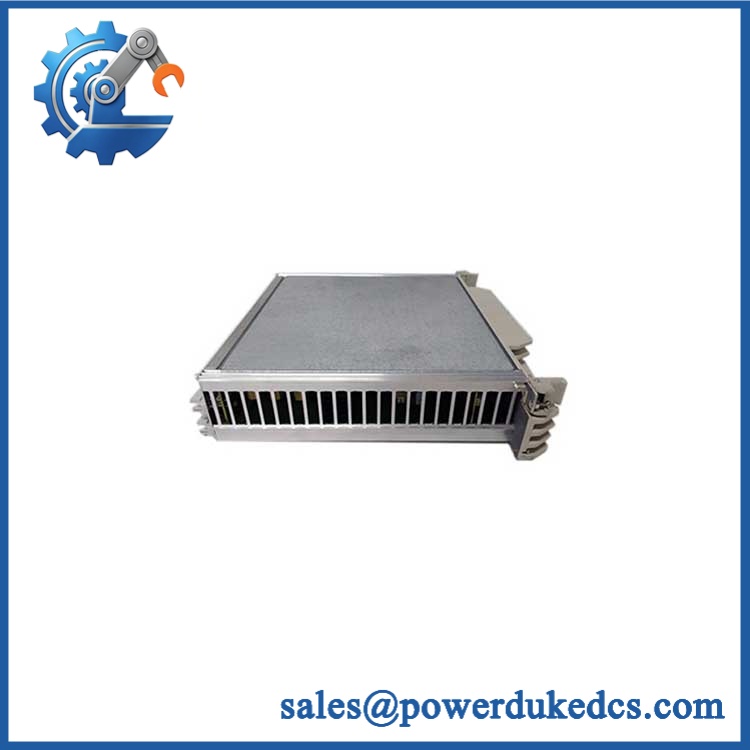
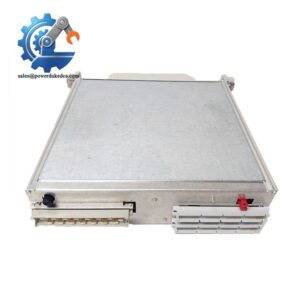
ABB 216GW62 HESG324008
Module 4: Dynamic Emergency Swap & Configuration Guide
1. Pre-Swap Prep — Isolate CT/PT Circuits Before Touching the Assembly
Treat this as protection-panel work, not ordinary low-voltage card replacement. Apply the site’s electrical isolation and LOTO procedure, isolate the associated voltage-transformer circuits as required, and follow the approved CT shorting procedure before opening any current-transformer circuit. Photograph the existing terminal arrangement and record the complete identification: 216GW62 / HESG324008 / HESG112802M14. Keep the REG 216 wiring drawing beside the work area.
2. Removal — Preserve CT/PT Wiring Identification
The 216GW62 is a physical input transformer assembly associated with the REG 216 rack architecture rather than a DIN-rail field device. After confirming the protection circuit is safely isolated, identify every CT/PT conductor and terminal before disconnecting anything. Remove the retaining hardware or rack fixing arrangement specified by the installed cabinet design, then withdraw the assembly while supporting the wiring harness. Do not pull on transformer terminals or PCB-mounted conductors.
The REG 216 manual documents 216GW62 as part of both single and redundant protection-system configurations.
3. Installation & Configuration — Match the Electrical Variant
Install the replacement in the identical rack position and reconnect the conductors against the original drawing, not by physical appearance alone. Verify 50/60 Hz, CT input rating, PT input rating, and the exact variant code before reconnecting the circuit. This is especially important because REG 216 documentation shows multiple 216GW62 variants and different CT arrangements. One documented version is rated for 5 A / 100 V, while another listed configuration supports 5 A and 1 A CT inputs / 100 V PT input.
Do not substitute HESG112802M14 with another HESG-series assembly solely because the enclosure and connector layout appear similar.
4. Power-On Self-Test — Validate Measurement Integrity Before Protection Release
After mechanical installation and wiring verification, restore the relevant control and measurement circuits according to the approved commissioning sequence. Check the REG 216 diagnostic status, verify that no input-channel fault remains, and confirm expected voltage and current measurement values using an approved secondary-injection or protection test set. The 216GW62 design permits injection testing through the input transformer assembly, including interruption of PT circuits and short-circuiting of CT circuits at the appropriate terminals.
Do not return the generator protection function to service until measured phase values, polarity, scaling, and trip logic have been validated.
Module 5: Quality Assurance & Testing SOP
Every ABB 216GW62 should pass a documented inspection before shipment.
- OEM anti-counterfeit visual inspection: Verify ABB markings, HESG identifiers, 216GW62 designation, label quality, connector geometry, fasteners, PCB condition, and physical construction.
- Part-number traceability: Record 216GW62 / HESG324008 / HESG112802M14 / HE502032-1735 exactly as marked; photograph every identification label.
- Mechanical inspection: Check enclosure condition, mounting hardware, terminals, PCB edges, connectors, transformer assemblies, and evidence of impact or corrosion.
- Winding and isolation checks: Verify transformer winding continuity and perform controlled insulation-resistance testing using a procedure appropriate to the assembly’s published electrical rating.
- Nominal input verification: Confirm the applicable current and voltage variant before energization. The identified K03 A5 U1 version is documented at 5 A, 100 V, 50/60 Hz, 2 kVeff.
- Secondary-output verification: Apply controlled test signals and verify the expected transformed output response across the applicable channels.
- Full protection-path simulation: Connect the assembly to a suitable REG 216 test environment or approved protection relay test setup and verify measurement acquisition.
- CT/PT injection test: Use an approved relay test set such as an OMICRON platform where applicable; verify current and voltage paths independently.
- Polarity and channel verification: Confirm phase identification, polarity, scaling, and terminal mapping against the customer’s approved wiring documentation.
- Thermal observation: Monitor abnormal heating during extended energized testing — particularly relevant for aged protection cabinets with restricted ventilation.
- Final QC record: Record serial/identification data, measured values, test equipment, test date, inspection photographs, and QC approval before packaging.
The REG 216 technical documentation specifically describes 216GW62 as an input transformer module and provides dedicated wiring and dimensional information for the assembly.
Module 6: Maintenance & Reliability FAQ
Is this a direct drop-in replacement, or does it require a firmware flash?
The 216GW62 is an input transformer assembly, not a programmable CPU, so a firmware flash is not the normal replacement procedure. The critical checks are the exact HESG324008 designation, hardware variant, CT/PT ratings, terminal arrangement, and compatibility with the installed REG 216 configuration. Multiple 216GW62 variants exist, so part-number verification matters more than enclosure similarity.
Is it safe to hot-swap the 216GW62 while the generator protection system is running?
No. Treat CT/PT connections as energized protection circuits requiring controlled isolation. CT circuits can produce hazardous voltages when opened under load, while PT circuits require their own isolation procedure. The replacement should therefore follow the site’s approved REG 216 shutdown, isolation, and commissioning procedure rather than a live-swapping approach.
Will replacing this 216GW62 change my protection settings or program?
The transformer assembly itself does not contain the protection application in the manner of a programmable controller. However, incorrect CT/PT wiring or a mismatched transformer variant can alter the signals received by the protection system. Before replacement, retain the existing REG 216 settings, protection configuration, event records, and wiring documentation. After replacement, perform secondary injection and measurement verification before returning the generator to protected operation.
Which specifications must I verify before ordering?
At minimum, verify 216GW62, HESG324008, the complete HESG identifier, CT nominal current, PT nominal voltage, frequency, and the installed REG 216 configuration. For the documented K03 A5 U1 version, the identification is associated with 5 A CT input, 100 V PT input, 50/60 Hz, and 2 kVeff insulation rating.
What are the warranty terms if the unit fails after installation?
The commercial warranty should follow the supplier’s stated warranty for the tested unit, with the shipped identification number recorded on the order and inspection report. Keep the incoming inspection photographs, QC test report, installation record, and commissioning measurements. For protection equipment, those records are particularly useful when distinguishing a hardware fault from incorrect CT/PT wiring or an application-side problem.



 Start Chat