

Description
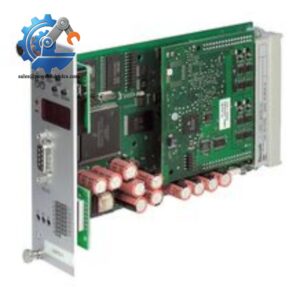
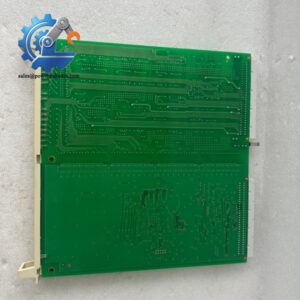
- DEIF LSU113DG | New Original DEIF Load Share Module
At-A-Glance Executive Brief
- Model: DEIF LSU113DG
- Brand: DEIF
- Series/System: DEIF Generator Control & Power Management Systems
- Part Type: Load Sharing Unit (LSU) / Generator Synchronization Control Module
- Core Function: Regulates active and reactive power distribution between parallel generators to maintain balanced load sharing.
- Key Specs:
- Designed for generator paralleling applications
- Supports load sharing control in multi-generator systems
- Used in marine, offshore, and industrial power installations
- DIN-rail / panel mounting industrial design
- Compatible with DEIF power management architectures
Product Introduction
A generator set reaches parallel operation, but the kW load distribution remains unstable between machines. In this condition, the DEIF LSU113DG becomes a critical inspection point because it manages load-sharing signals that keep multiple generators operating within acceptable load limits. Incorrect load sharing can create unnecessary engine stress, uneven fuel consumption, and protection trips.
Installed inside a generator control panel, the LSU113DG interfaces with speed governors, voltage regulators, and generator controllers to coordinate load distribution (—which is critical for marine vessels and isolated power plants where generator availability directly affects operations). Before replacement, verify wiring configuration, control mode settings, and generator system design. A similar DEIF module may not support the same signal range or application parameters.
Core Technical Specifications
| Parameter | Value |
|---|---|
| Manufacturer | DEIF |
| Model | LSU113DG |
| Product Type | Load Sharing Unit |
| Application | Generator parallel operation and power management |
| Control Function | Active/reactive load sharing |
| Generator System | Diesel gensets, marine power systems, industrial generators |
| Input Signals | Generator measurement and control signals |
| Output Signals | Load-sharing control outputs |
| Mounting | Control panel / DIN rail installation |
| Power Supply | 8–35 VDC typical industrial supply range |
| Frequency Range | 50/60 Hz generator applications |
| Communication | System dependent |
| Adjustment | Potentiometer / configuration settings depending on revision |
| Operating Temperature | Industrial control cabinet range |
| Protection | Industrial enclosure design |
| Weight | Approx. 0.5–1 kg range |
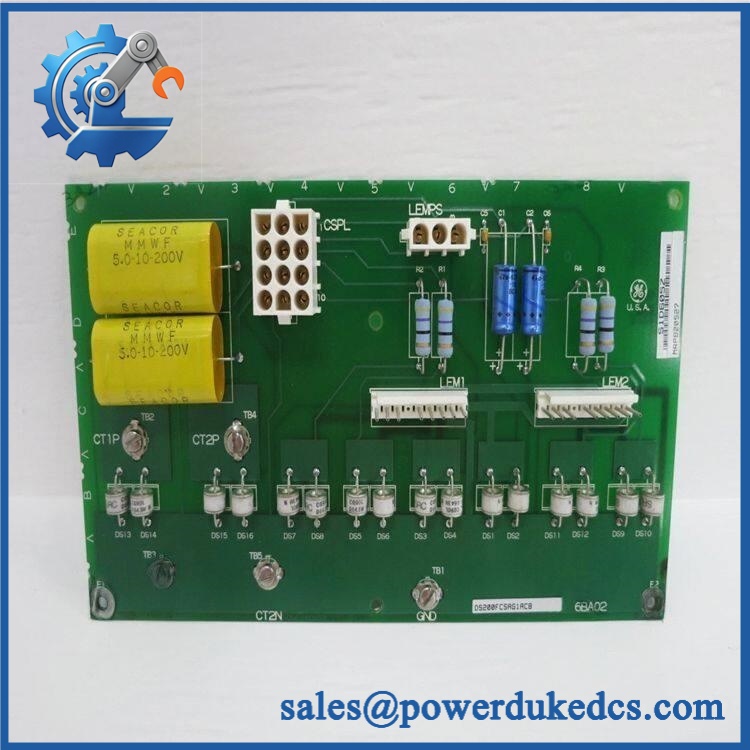
DEIF LSU113DG
Application Scenarios & Pain Points
Uneven generator loading is one of the most common problems in parallel power systems. The DEIF LSU113DG is typically stocked as a maintenance spare where generator synchronization and stable load distribution are required.
- Marine vessels: Used in ship generator systems where multiple diesel generators share electrical demand during normal operation.
- Offshore platforms: Supports isolated power networks where generator balance affects operational reliability.
- Industrial power plants: Helps maintain stable operation of parallel generator sets during changing loads.
- Emergency power systems: Applied where standby generators must synchronize correctly after mains failure.
- Remote facilities: Supports local power generation systems without connection to a utility grid.
For a vessel operating with three or more parallel generators, incorrect load-sharing signals can cause one engine to carry excessive load while another remains underloaded.
? Common Error Codes & Diagnostic Symptoms
Symptom/Code: Generator load imbalance alarm
→ Diagnosis: Possible incorrect load-sharing signal, wiring fault, or control circuit failure.
→ Action: Verify measurement inputs and replace if module output is unstable.
Symptom/Code: Generator cannot maintain parallel load sharing
→ Diagnosis: Possible incorrect adjustment settings, governor interface problem, or failed load-sharing output.
→ Action: Check control parameters and replace module if hardware malfunction is confirmed.
Symptom/Code: Hunting or unstable kW/kVAR distribution
→ Diagnosis: Possible signal instability, incorrect tuning, or aging electronic components.
→ Action: Verify generator controller settings and inspect LSU module operation.
Cross-Reference & Lifecycle Migration
- Compatibility Notes:
- DEIF replacement requires verification of:
- Generator controller type
- Governor interface
- Voltage regulator connection
- Load-sharing wiring method
- DEIF replacement requires verification of:
- Related DEIF Equipment:
- Used within DEIF generator control solutions alongside load-sharing and power-management devices.
- Firmware / Configuration Requirements:
- The is generally a dedicated hardware control module rather than a programmable PLC CPU.
- Calibration and adjustment settings should be recorded before replacement.
- Lifecycle Status:
- Status: Legacy / Support Dependent
- Maintain spare inventory for vessels and industrial sites where generator downtime carries significant operational impact.
- Migration Strategy:
- Keep wiring diagrams with spare records.
- Document potentiometer positions and commissioning values.
- Verify replacement before scheduled maintenance.
Field Engineer’s Tech Notes (Anti-Pitfall Guide)
- Do not replace the LSU module before recording adjustment settings.
Load-sharing tuning values are often site-specific. A replacement installed with incorrect settings may create unstable generator operation. - Check the governor and AVR interfaces before replacing hardware.
A failed load-sharing response is not always caused by the . Incorrect signal polarity or wiring faults can produce identical symptoms.
Strict QA & Testing SOP
A proper DEIF inspection process should include:
Step 1 — Incoming Inspection
- Verify DEIF label and identification.
- Record serial number and hardware revision.
- Inspect terminals, housing, and mounting clips.
Step 2 — Electrical Testing
- Verify DC supply input.
- Check current consumption.
- Inspect signal input/output behavior.
Step 3 — Functional Testing
- Connect to a compatible generator control test setup.
- Simulate load-sharing signals.
- Verify output response.
- Confirm stable operation.
Step 4 — Documentation Review
- Record adjustment settings.
- Photograph hardware condition.
- Maintain traceability information.
Step 5 — Packaging Control
- Use anti-static packaging.
- Protect terminal connections.
- Apply shock protection for international shipping.
Test videos are available for selected inspected units.
Buyer’s FAQ (Dynamic Q&A)
Q: Can the DEIF be replaced while generators are running?
A: Do not assume hot replacement capability. Load-sharing hardware directly affects generator operation, so controlled shutdown procedures should be followed unless the system documentation confirms otherwise.
Q: How do I verify this is a genuine DEIF ?
A: Check the DEIF identification label, model number, revision marking, terminal layout, and supplier traceability documents before installation.
Q: Does the require firmware loading?
A: This module is generally a dedicated load-sharing control device rather than a programmable controller. Verify adjustment settings and system compatibility after replacement.
Q: What warranty applies to this DEIF module?
A: Warranty depends on product condition and supplier terms. Confirm whether the unit is new original, unused surplus, refurbished, or tested before purchase.


 Start Chat