

Description
- Brand: Emerson
- Model: A6140 9199-00058
- Lifecycle Status: Legacy / Obsolete spare
- Core Function: Dual-channel shaft absolute vibration monitoring
- Technical Specs: 2 channels; 24 VDC supply; max. 6 W power consumption
- Additional Outputs: 0/4-20 mA; 0-10 VDC; RS-232 configuration; Modbus TCP/IP data access
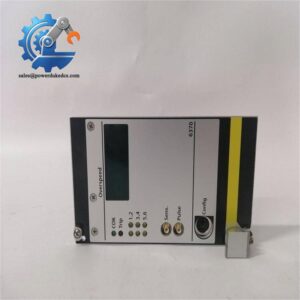
- Form Factor: 3U Eurocard; 30 mm wide; 1-slot
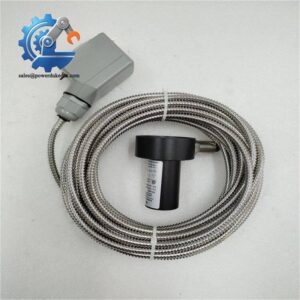
- Sensor Interface: Channel 1 displacement sensor; Channel 2 case vibration sensor
- Stock & Condition: Legacy spare; New Surplus or Tested Used subject to current unit allocation
- Shipping: Fast dispatch available subject to order cutoff and destination
Supply Chain & Technical Deep Dive
Unplanned turbine or compressor shutdowns become harder to manage when a legacy AMS 6500 protection card fails and replacement stock is fragmented. The Emerson A6140 is the dedicated dual-channel Shaft Absolute Vibration Monitor for the AMS 6500 platform, designed for one-slot installation and API 670 machinery protection applications. Its measurement architecture combines a non-contact displacement signal with case-mounted vibration data to calculate shaft absolute vibration relative to free space. Emerson specifies two independent or combined monitoring channels, galvanic isolation from the power supply, hot configuration, and self-checking functions covering the module, power input, sensor, cable, overload, internal temperature, and watchdog status.
The investment case is mainly about reducing outage exposure and preserving an existing protection architecture rather than redesigning the monitoring cabinet. The A6140 uses a 24 VDC supply and consumes a maximum of 6 W. Channel 1 accepts displacement-sensor input from Emerson 6422, 6423, 6424, or 6425 devices, while Channel 2 is intended for the specified case-vibration sensor interface. Measurement filtering is adjustable across application-specific frequency ranges, with rear 0/4-20 mA outputs rated at ±1% of full scale and configurable settling time from 0 to 10 seconds. The module occupies one slot, measures 30 × 128.4 × 160 mm, weighs approximately 320 g net, and has an approximate packed volume of 2.5 dm³. For a legacy rack, retaining the existing sensor and alarm philosophy can avoid the engineering, commissioning, and validation costs associated with a broader platform migration.
Migration, Compatibility & Field Traps
Replacement Matrix
| Replacement Path | Assessment | Engineering Requirement |
|---|---|---|
| Drop-in Replacement | Applicable for like-for-like A6140 replacement | Verify AMS 6500 rack slot, card revision, sensor wiring, configuration, and alarm settings before installation |
| Software Compatible | Existing configuration must be reviewed | Recheck measuring range, sensitivity, filter settings, Alert/Danger thresholds, and operating mode |
| Hardware Modification | Normally not required for a like-for-like installation | Confirm the existing rack and sensor arrangement match the A6140 architecture |
Field Traps — Watch Out
- Sensor pairing mismatch: Channel 1 and Channel 2 are not interchangeable. Emerson specifies Channel 1 for the displacement-sensor path and Channel 2 for the case-vibration input. A replacement card should be checked against the installed sensor types and part numbers before energization.
- Configuration drift: Alarm thresholds, hysteresis, measurement range, sensitivity, and filter settings are configurable. Copying a card into service without checking these values can change protection behavior even when the hardware fits correctly.
- ESD handling: Treat the Eurocard as electronic instrumentation during removal, inspection, and installation. Use an ESD-controlled work area and avoid touching exposed PCB circuitry.
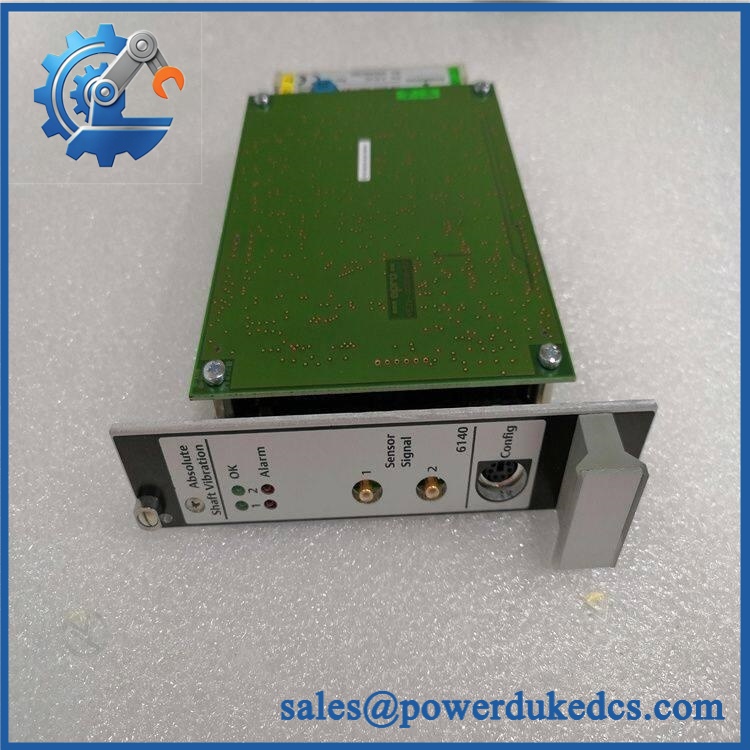
Emerson A6140
Quality Assurance & Testing SOP
Each supplied A6140 should pass a documented inspection sequence before shipment:
- OEM anti-counterfeit visual inspection: Verify Emerson identification labels, model marking, connector condition, PCB markings, fasteners, board revision, and serial traceability against the ordered configuration.
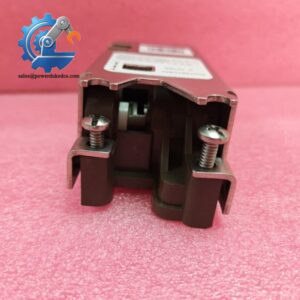
- Mechanical inspection: Check the front handle, card guides, connector pins, faceplate condition, and signs of corrosion, impact, overheating, or unauthorized repair.
- Power-on self-test: Energize the module under controlled conditions and verify expected channel health indications. The uses dedicated green channel-OK LEDs plus red Alert and Danger indicators; it does not use the common ERR/RUN LED terminology found on many PLC modules.
- Input simulation: Apply controlled displacement and vibration input signals within the published channel ranges and confirm stable measurement response.
- Analog I/O load testing: Validate the rear 0/4-20 mA outputs under an appropriate load below 500 Ω and verify the 0-10 V outputs into loads above 10 kΩ. Emerson specifies ±1% full-scale accuracy for the current outputs.
- Alarm verification: Exercise Alert and Danger thresholds, delay settings, hysteresis behavior, and channel health diagnostics.
- Communication check: Verify configuration/status access through the module interface and confirm available Modbus data paths where the installed AMS 6500 architecture supports them.
- Final evidence package: Record test results, serial information, visual inspection findings, and shipment photos before release.
Procurement-Driven FAQ
Is the Emerson 9199-00058 genuinely in stock and what is the cutoff for overnight shipping?
Availability should be confirmed against the current physical lot before the purchase order is released. Overnight dispatch depends on the order time, destination, carrier service, customs requirements, and whether the requested unit has already passed inspection.
How do you verify the condition of an obsolete or surplus ?
Legacy units should be handled as individually inspected assets rather than relying only on catalog status. Visual authentication, mechanical inspection, controlled power-up, signal simulation, analog output testing, alarm verification, and serial-record documentation form the core acceptance process.
What warranty terms apply to a defective unit?
The warranty period and return conditions should be stated on the commercial quotation and purchase documentation for the exact unit supplied. Defect claims should include the unit serial number and a description of the observed failure so the case can be matched to the pre-shipment test record.
Are there firmware compatibility issues my engineers should check?
The published reference focuses on configuration parameters and module functions rather than specifying a universal minimum firmware version. Engineering teams should therefore verify the installed AMS 6500 configuration, module revision, sensor combination, communication setup, and stored alarm parameters before commissioning.
What should be included on the purchase order to avoid a wrong shipment?
State , include 9199-00058 as the supplied purchasing identifier, and add the required condition, quantity, warranty term, and any requested revision or serial-number requirements. A nameplate photo or existing card identification record is useful when the plant contains multiple AMS 6500 monitor variants.



 Start Chat