

Description
- Brand: GE
- Full Model Number: 151X1233DD01SA02-B1305103
- System/Series Family: GE 151X Boards / Wind Turbine Pitch Control
- One-Sentence Core Function: Battery charger subassembly providing regulated DC charging for wind-turbine pitch-control battery systems
- Top 3 Hardcore Specs: 230 VAC input; 12 VDC / 2 A output; BC3H software revision associated with the 151X1233DD01SA02 board
- Stock Status: New surplus / fully tested refurbished, subject to exact assembly revision
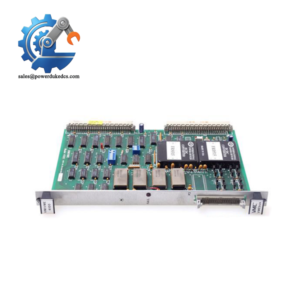
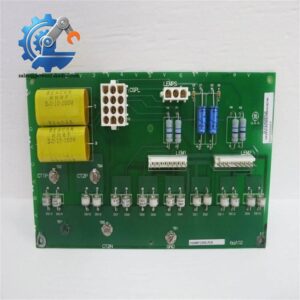
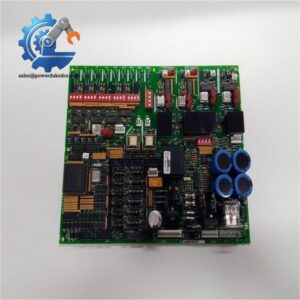
The GE 151X1233DD01SA02 is identified as a Pitch Battery Charger Board in the GE 151X board family. Published technical data lists a 12 VDC / 2 A output, while a related assembly record identifies a 230 VAC, 50/60 Hz input and the B1305103 block/assembly reference.
Module 3: Commercial-Technical Deep Dive
A pitch-battery charger failure can place a wind turbine’s blade-pitch backup system at risk even when the main turbine controller remains operational. The GE 151X1233DD01SA02-B1305103 is associated with the GE 151X board family and functions as a pitch battery charger subassembly. The documented board-level specification includes 230 VAC, 50/60 Hz input and a regulated 12 VDC / 2 A output, while the board-level software reference is listed as BC3H. GE-related documentation and current technical records also identify the assembly as a pitch battery charger rather than a generic PLC power supply.
The maintenance advantage is straightforward: restoring the charger can return the existing pitch-battery charging path to service without replacing the entire pitch-control cabinet. The electrical conversion path is compact, but the upstream and downstream interfaces are not generic. A current technical record identifies the assembly with an IS200AEPBH1BAA board and 109W6931P001 in a related GE configuration, while the original 151X board reference remains 151X1233DD01SA02. These cross-references should be treated as configuration-specific rather than universal equivalents. Verify the actual nameplate, transformer data, board revision, and installed pitch-system documentation before substitution.
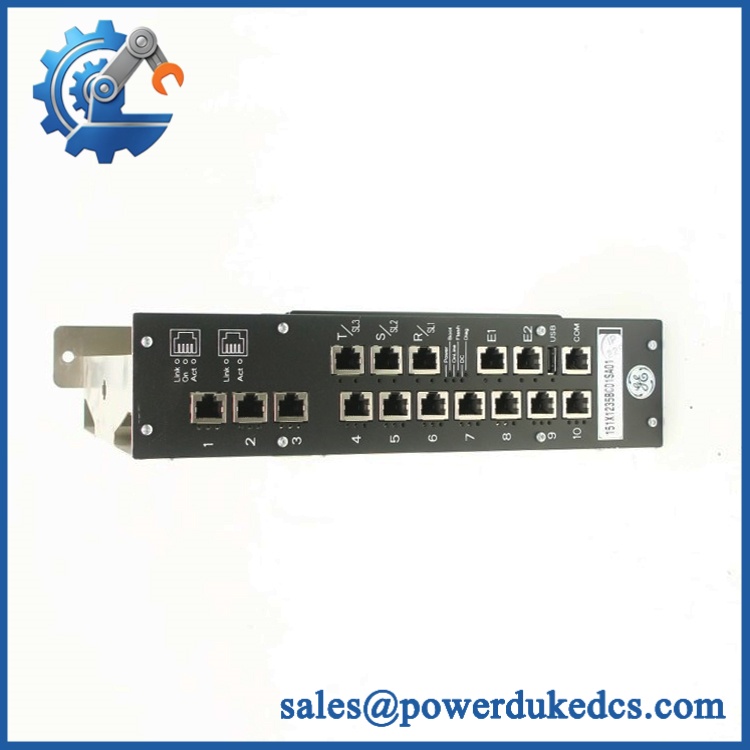
GE 151X1233DD01SA02-B1305103
Module 4: Compatibility & Installation Traps
Migration/Compatibility
- Replacement type: GE pitch battery charger board / charger subassembly
- Primary Part Number: 151X1233DD01SA02
- Additional Assembly Identifier: B1305103
- Firmware flash: Not normally applicable to the charger power hardware itself
- Logic rewrite: Not applicable to the charger board
- Drop-in status: Potentially direct only when the complete board and assembly identifiers match the installed pitch-control configuration
- Documented output: 12 VDC / 2 A
- Documented input: 230 VAC, 50/60 Hz in an associated assembly record
- Related identifiers: IS200AEPBH1BAA / 109W6931P001 appear in a related GE implementation and should not be treated as automatic substitutes.
⚠️ Field Traps (Watch Out)
1. Do not confuse the charger board with the complete battery system.
The 151X1233DD01SA02 provides charging circuitry; it is not the battery pack itself, the complete pitch actuator system, or the turbine controller. The battery chemistry, nominal voltage, capacity, and protection architecture must match the charger application.
2. Verify the AC input before energizing.
The associated assembly documentation identifies 230 VAC, 50/60 Hz input and a 12 VDC / 2 A output. Confirm the actual cabinet supply and transformer connection from the installed GE drawings. Do not apply 24 VDC simply because other pitch-control electronics in the same cabinet use 24 VDC.
3. The B1305103 identifier should be retained.
The user-supplied number includes B1305103 as part of the complete identification. Current technical records also specifically describe a within this assembly. Preserve that identifier when requesting a replacement because it can distinguish an assembly configuration from the base 151X board number.
4. Check battery charging current before reconnecting the battery.
A nominal 2 A charger output does not by itself establish suitability for every battery configuration. Verify battery voltage, capacity, chemistry, temperature-compensation requirements, and the original charging profile before commissioning.
Module 5: Quality Assurance SOP
Each GE 151X1233DD01SA02- unit should pass a documented pre-shipment inspection sequence:
- OEM anti-counterfeit visual inspection: Verify GE identification, 151X1233DD01SA02, , board markings, component population, connectors, transformer markings, and manufacturing labels.
- Part-number verification: Match the complete supplied identification against the purchase order and installed pitch-control BOM.
- Revision verification: Record the visible board revision and the documented BC3H software reference where applicable.
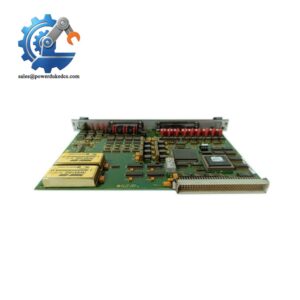
- Mechanical inspection: Check the PCB, terminal points, plugs, mounting holes, transformer, rectification components, capacitors, fuses, and enclosure interfaces for damage, corrosion, contamination, or unauthorized repair.
- Input-side electrical inspection: Verify the AC input path for damaged terminals, abnormal component discoloration, fuse condition, and signs of overvoltage or thermal stress.
- Power-on self-test (POST): The charger board is not an independent CPU, so a conventional PLC POST is not applicable. In an approved test fixture, energize the board and verify normal charger startup and regulated output behavior.
- Output verification: Apply the appropriate controlled load and confirm approximately 12 VDC output with current behavior within the approved test tolerance.
- Load testing: Verify output regulation at representative load conditions without exceeding the documented 2 A output capability.
- Protection verification: Where the fixture permits, verify appropriate response to controlled overcurrent or output-fault conditions.
- Battery-interface verification: Test the charger with an approved battery simulator or compatible controlled load rather than an unknown field battery.
- Communication handshake verification: Not applicable as a networked module. The charger should instead be validated through its electrical interface and its interaction with the pitch-control battery system.
- Final QC: Photograph the full nameplate and marking, record test measurements, protect the board with ESD-safe packaging, and secure transformer and connector areas against impact during shipment.
Module 6: CRO-Driven Buyer FAQ
1. What is GE 151X1233DD01SA02-?
It is a GE Pitch Battery Charger Board / charger subassembly associated with the GE 151X board family and wind-turbine pitch-control applications. Current technical data identifies 151X1233DD01SA02 as the pitch battery charger board, with the associated assembly carrying the identifier.
2. What are the input and output specifications?
Available technical records identify 230 VAC, 50/60 Hz input for the associated assembly and a 12 VDC / 2 A charger output for the 151X1233DD01SA02 board. Verify the exact cabinet supply and battery configuration against the installed GE documentation before energization.
3. Is 151X1233DD01SA02 the same as IS200AEPBH1BAA 109W6931P001?
They are associated in at least one current technical listing, which identifies 151X1233DD01SA02, IS200AEPBH1BAA, and 109W6931P001 together. That does not establish universal interchangeability across every GE pitch-control configuration. Match the physical labels and assembly revision before substitution.
4. Can the 151X1233DD01SA02 be hot-swapped?
Do not assume hot-swap capability. The board interfaces with an AC input and a battery charging circuit, so replacement should follow the applicable GE pitch-system maintenance procedure with the AC source and battery circuit placed in the required safe state before removal.
5. What warranty and technical support are provided?
Warranty duration should be stated on the quotation for the exact inventory condition supplied. Technical support should cover exact part-number and assembly identification, input/output verification, inspection records, charger functional testing, and compatibility review within the documented pitch-control architecture. Battery replacement, pitch-system commissioning, and energized turbine maintenance require appropriately qualified personnel.


 Start Chat