

Description
- Brand: GE
- Full Model Number: DS200SI0CG1A6A
- Lifecycle Status: Legacy / Obsolete
- Core Function: Mark V I/O and interface signal handling
- Technical Specs: GE Mark V system | +5 VDC and ±15 VDC backplane supply | ≤8 W power consumption
- Stock & Condition: New Surplus / Factory Stock subject to serial and visual verification
- Application: Legacy GE turbine and industrial control equipment
- Procurement Priority: Critical spare replacement for installed DS200-series equipment
Obsolescence & Supply Chain Deep Dive
A failed DS200-series board can create a disproportionate sourcing problem because the installed Mark V platform is from an older control generation. Current references identify the DS200SI0CG1A6A as a GE Mark V I/O/interface board, with published supplier data listing +5 VDC and ±15 VDC backplane supply requirements and power consumption of no more than 8 W. For maintenance teams, the practical issue is not simply finding a circuit board; it is matching the exact board number and revision before an unplanned outage extends into a longer repair window.
From a TCO perspective, replacing only the failed board can avoid the engineering, commissioning, software conversion, panel modification, and operator retraining costs associated with a complete control-system migration. That approach is especially relevant when the surrounding Mark V hardware remains serviceable. A surplus replacement also preserves the existing installation footprint and wiring strategy (though actual revision, connector configuration, and application-specific wiring should be checked before release to the field). Because published references are inconsistent about the detailed functional description of this part, engineering approval should be based on the exact GE part number, board revision, and installed system documentation rather than a generic DS200 family description.
Compatibility & Replacement Matrix
| Replacement Item | Assessment | Engineering / Procurement Guidance | Estimated Switch Cost & Time |
|---|---|---|---|
| DS200SI0CG1A6A replacing the same DS200SI0CG1A6A revision | Drop-in Replacement | Match complete part number, revision, connectors, and mounting arrangement | Labor typically 1–3 hours; parts cost is the primary variable |
| Same model with a different hardware revision | Software Compatible / Engineering Verification Required | Confirm revision history and installed application documentation before energizing | Typically 2–6 hours including inspection and functional checks |
| Different DS200-series board with similar stated function | Not automatically compatible | Do not approve solely on family number or physical similarity | Engineering review required |
| Modern control-system migration | Hardware Modification | Requires broader engineering, configuration, testing, and commissioning work | Several days to weeks depending on plant scope |
The most important purchasing control is exact-part matching. The DS200SI0CG1A6A appears in current supplier references as a GE Mark V board, but available descriptions vary between I/O module, interface board, and power-connect terminology.
Field Traps — Watch Out
- Revision mismatch: Do not assume an A6A board is interchangeable with another DS200SI0C-series revision without checking the equipment documentation.
- Power and system context: Verify the installed rack/backplane supply is consistent with the published +5 VDC and ±15 VDC requirements and confirm the board’s actual application before startup.
- Board identification: Confirm the GE nameplate, full part number, and revision markings before shipment and again before installation.
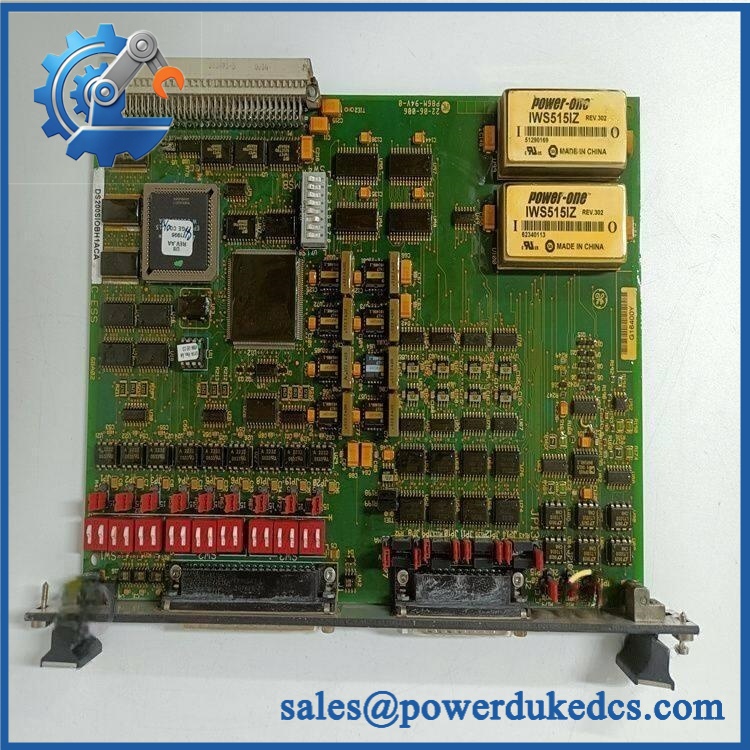
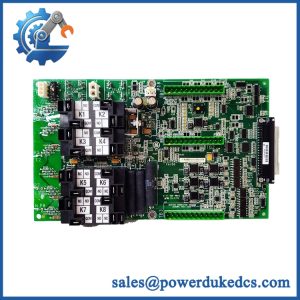
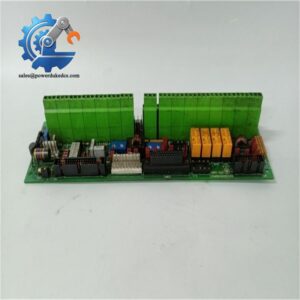
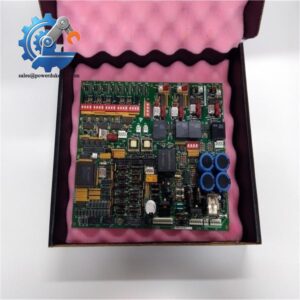
GE DS200SI0CG1A6A
Quality Assurance & Testing SOP
Every DS200SI0CG1A6A offered from controlled inventory should pass a documented pre-shipment inspection sequence rather than relying on appearance alone.
- OEM anti-counterfeit visual inspection: Verify GE identification markings, PCB silkscreen, part number, revision code, connectors, labels, and board construction against known-reference documentation.
- Physical condition inspection: Check PCB edges, connector pins, terminal points, solder joints, mounting holes, components, and signs of corrosion, contamination, impact, or previous rework.
- Power-on self-test: Apply controlled power using a protected test setup and check expected board behavior, status indicators, and abnormal ERR/RUN indications where applicable to the installed configuration.
- Power-rail verification: Measure relevant DC supply rails against the required system supply configuration before proceeding with functional checks.
- I/O and interface testing: Verify applicable signal paths and communication/interface functions using the appropriate test fixture or compatible GE Mark V test environment.
- Load simulation: Where the board’s installed application permits, perform controlled I/O load or signal simulation rather than a simple continuity test.
- Serial and revision recording: Photograph and record the actual part number, revision, serial information, and inspection results before packing.
- Final packaging inspection: Use ESD protection, connector protection, cushioning, and moisture control appropriate for an industrial PCB.
Procurement & Lifecycle FAQ
Is the GE genuinely in stock and what is the cutoff for emergency shipping?
Stock status should be confirmed against the physical unit before the PO is released. For emergency requirements, provide the required quantity and destination together with the RFQ so the available shipping window can be confirmed from the actual packed unit.
How do you guarantee the condition and authenticity of an obsolete or surplus ?
The purchase record should identify the actual condition as New Surplus, Factory Stock, or another explicitly defined condition. Request photos of the nameplate and revision marking, serial verification, visual inspection results, and the applicable pre-shipment test record before dispatch.
Are there firmware compatibility issues engineers should check before issuing the PO?
This is primarily a board-revision and system-configuration question rather than a simple firmware-flash procedure. Confirm the installed Mark V configuration, board revision, connector arrangement, and application documentation. Do not assume that another DS200SI0C-family revision is interchangeable solely because the model prefix is similar.
What are the warranty terms and return policies?
The quotation should state the warranty period, coverage start date, exclusion conditions, and return authorization procedure in writing. For obsolete control boards, the return policy should also define how installation damage, incorrect application, and unauthorized modification are handled.
Why buy a replacement board instead of upgrading the entire control system?
For a plant where the existing Mark V architecture remains operational, a board-level replacement can limit the immediate scope of expenditure and avoid the engineering and commissioning costs associated with a full control-system migration. The economic case should be evaluated against remaining asset life, failure frequency, spare availability, downtime exposure, and the planned migration schedule.


 Start Chat