

Description
- Brand: GE General Electric
- Full Model Number: DS200SIOBH1ABA
- Lifecycle Status: Legacy / Obsolete Mark V spare
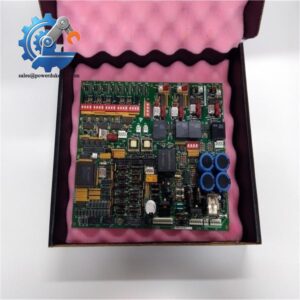
- Core Function: SC2000 VME I/O control board for GE Mark V turbine control systems
- Top 3 Technical Specs: 20 hardware jumpers; 18 DIP switches across 3 blocks; 40-pin interface connector
- Mounting: One full VME slot via P1 backplane connector
- Diagnostic: 1 onboard LED
- Stock & Condition: New surplus / unused inventory subject to lot-specific confirmation; expedited shipment available from stock where confirmed
Obsolescence & Supply Chain Deep Dive
Mark V turbine installations can remain operational long after the original board supply chain has contracted. When a DS200SIOBH1ABA fails, the immediate issue is not simply the PCB price; it is the exposure created by an unavailable VME I/O spare and the resulting outage window. The DS200SIOBH1ABA is identified as a SC2000 VME I/O board used within the Mark V architecture, with a full-slot VME installation, 20 jumpers, 18 switches, one diagnostic LED, and a 40-pin interface. For an operating turbine that still depends on Mark V hardware, maintaining a verified spare can reduce the procurement interval associated with repair or hard-to-source replacement inventory.
The TCO case is primarily about avoiding unnecessary system replacement. Retaining an existing Mark V installation means preserving the established rack, field wiring, application configuration, engineering documentation, and commissioning procedures rather than initiating a control-system migration solely because one legacy board is unavailable. The replacement process still requires engineering attention: jumper and switch positions should be compared with the removed board and the applicable GE documentation before energization. A surplus board can therefore be economically justified when the installed system remains serviceable and the objective is targeted lifecycle extension rather than a complete controls modernization.
Compatibility & Replacement Matrix
| Buyer Review Item | DS200SIOBH1ABA Assessment |
|---|---|
| Replacement Class | Drop-in Replacement within the corresponding GE Mark V VME architecture |
| Mechanical Fit | One full VME slot; P1 backplane connection |
| Hardware Modification | Not normally required at the board/rack level |
| Software Flash | No firmware-flash requirement identified in the available documentation reviewed |
| Configuration Work | Required — verify and reproduce the original jumper and switch configuration |
| Engineering Time | Planning allowance: 1–3 hours for removal, configuration verification, installation, and continuity checks |
| Commissioning Time | Planning allowance: 2–4 hours for controlled startup and signal verification |
| Upgrade Alternative | Full Mark V migration is a separate engineering project and should not be treated as part of a board replacement |
| Procurement Decision Point | Confirm exact board suffix, revision, configuration, condition, and application before issuing the PO |
The key compatibility issue is configuration, not simply physical insertion. Documentation indicates that the board carries 20 jumpers and three six-position switch blocks, while some jumpers have fixed or restricted positions. The replacement should be compared against the removed board before installation.
Field Traps to Watch Out For
Jumper and DIP switch mismatch: Factory-default settings may not correspond to the configuration used by your turbine. Record the old board’s positions before removal and verify each position against the applicable GE documentation.
Revision and suffix mismatch: Do not substitute DS200SIOBH1AAA, DS200SIOBH1ACA, or another visually similar SIOB variant without engineering confirmation. Exact part-number and revision verification should be completed before shipment.
LED interpretation: The board has one documented diagnostic LED; available documentation does not support treating it as a conventional dual ERR/RUN indicator set.
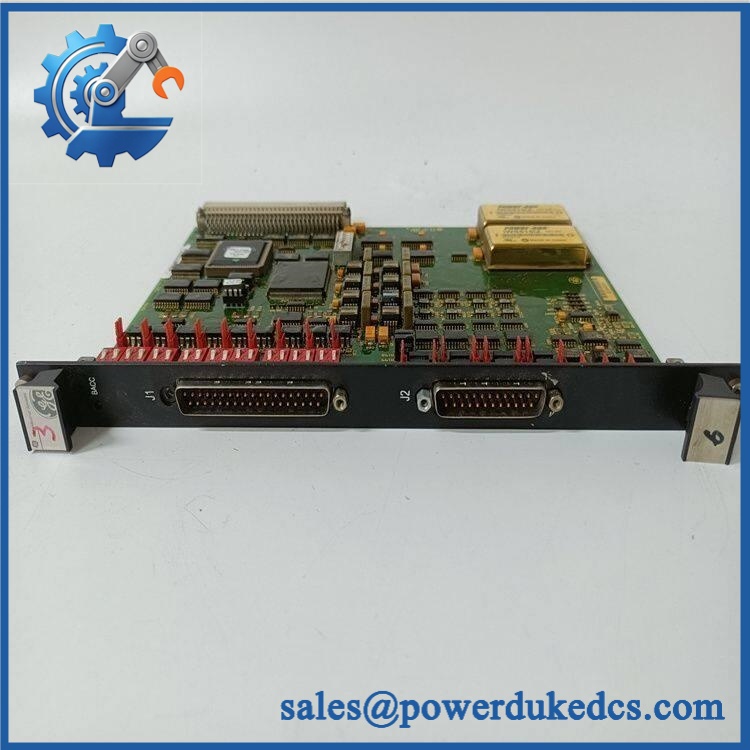
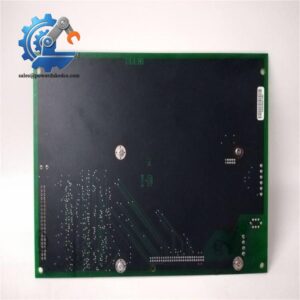
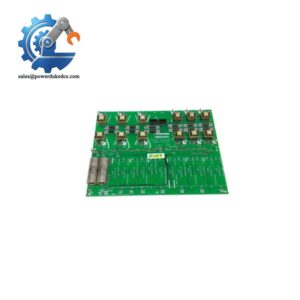
GE DS200SIOBH1ABA
Quality Assurance & Testing SOP
Each DS200SIOBH1ABA should pass a documented inspection sequence before shipment.
Incoming identification check: Verify the board marking and part number against DS200SIOBH1ABA. Inspect revision markings, labels, connectors, PCB surface, mounting hardware, and visible component condition. Record serial and identification data where available.
OEM anti-counterfeit visual inspection: Compare board layout, connector arrangement, labeling format, PCB construction, component population, and conformal-coating characteristics against known GE Mark V hardware references. Any unexplained board alteration is placed on hold for review.
Connector and PCB inspection: Examine the VME P1 connector and 40-pin interface for bent contacts, oxidation, contamination, cracked solder joints, lifted pads, heat damage, and mechanical stress. Check the PCB for corrosion or evidence of liquid exposure.
Configuration recording: Photograph and document all accessible jumper positions and all 18 DIP-switch positions before functional testing. Configuration data is retained with the inspection record.
Power-on self-test: Install the board in an appropriate Mark V VME test environment and verify correct power-up behavior and the documented onboard LED response. Because this board is documented with a single status LED rather than an ERR/RUN LED pair, the inspection report should not claim an ERR/RUN test that the hardware does not provide.
Interface and I/O testing: Exercise the available interface using a controlled test setup, checking signal continuity, expected response, and communication behavior under representative operating conditions. Where the test rack permits it, perform simulated I/O loading and verify stable readings through the connected control path.
Final QA release: Record test date, technician, board identification, configuration photographs, observed LED status, connector condition, and test outcome. Package the accepted board in ESD-protective material with mechanical protection for international transport.
Procurement & Lifecycle FAQ
Is the genuinely in stock, and what is the cutoff for emergency shipping?
Stock status is lot-dependent and should be confirmed against the physical unit before a PO is released. Sellers currently advertise unused or in-stock inventory, with some offering same-day or rapid dispatch. For emergency requirements, provide the required quantity, destination, and requested carrier cutoff so shipping feasibility can be confirmed before payment.
How do you verify the condition and authenticity of an obsolete ?
The recommended process is physical part-number verification, revision and label inspection, connector inspection, PCB examination, jumper/DIP documentation, ESD handling, and functional testing in an appropriate Mark V test environment. The acceptance record should distinguish unused/new surplus, tested surplus, and refurbished units rather than combining them under one condition description.
Are firmware compatibility issues a concern before issuing the PO?
No firmware-flash requirement was identified in the documentation reviewed for the . The more important installation issue is hardware configuration: jumper positions and the 18 switch settings must correspond to the existing turbine application. Engineering should also verify the exact board suffix and revision before approving substitution.
Is this a direct replacement for an installed ?
Within the applicable Mark V VME architecture, it is treated as a board-level replacement using the existing VME slot and P1 interface. It should not be treated as a universal replacement for other DS200SIOBH1 variants or for Mark VI hardware without an engineering compatibility review.
What warranty and return terms should procurement require?
The PO should state the supplied condition, exact part number, test status, warranty duration, DOA definition, return window, and responsibility for return freight. For obsolete inventory, request these terms in writing before shipment because warranty coverage varies by supplier and by whether the unit is unused, surplus, tested, or refurbished.



 Start Chat