

Description
- Brand: GE Fanuc / Horner Electric
- Full Model Number: HE693STP110
- Lifecycle Status: Obsolete / Discontinued by manufacturer
- Core Function: One-axis stepper positioning and motion control module for Series 90-30 PLC systems
- Top 3 Technical Specs: 1 axis; up to 245,730 steps/sec; incremental encoder feedback with 5 V signaling
- Step/Direction Output: Up to 300 mA at 5 V
- Internal Power Consumption: 500 mA at 5 VDC
- Terminal Interface: 20-contact removable terminal block
- Software Configuration: Logicmaster 90 version 2.01 or later; Series 90-30 foreign-module configuration
- Stock & Condition: New Surplus or tested inventory; serial-specific availability and condition to be confirmed before PO
- Shipping: Emergency dispatch subject to stock confirmation and carrier cutoff
Obsolescence & Supply Chain Deep Dive
When a HE693STP110 fails inside an operating GE Fanuc Series 90-30 motion-control cabinet, the problem is rarely limited to the module price. The replacement path can become difficult because this is a discontinued legacy part, while production equipment may still depend on its existing stepper-drive, encoder, limit-switch, and PLC configuration. Current industrial listings identify the HE693STP110 as discontinued by the manufacturer. For maintenance teams, retaining the existing architecture with a verified replacement can avoid a much larger engineering package involving PLC migration, control-panel rewiring, motion-program conversion, machine validation, and production interruption. —For emergency situations, actual dispatch time depends on confirmed physical stock rather than catalog availability.
The TCO case is strongest when the surrounding Series 90-30 installation remains serviceable. The HE693STP110 provides one-axis stepper control, incremental encoder feedback, programmable motion functions, home and limit inputs, and step rates up to 245,730 steps per second. A like-for-like module replacement therefore preserves much of the existing application investment instead of forcing an immediate system redesign. For a comparable emergency changeout, a practical planning allowance is roughly 1–2 hours for bench verification and 2–6 hours for field replacement and commissioning, assuming the wiring, configuration, and mating equipment are already understood. Those figures are planning estimates, not OEM service times.
Compatibility & Replacement Matrix
| Replacement Item | Assessment | Engineering / Procurement Action |
|---|---|---|
| HE693STP110 → HE693STP110 | Drop-in Replacement for a like-for-like installation | Verify part number, terminal arrangement, configuration data, encoder setup, and machine I/O before energizing |
| Software Compatibility | Existing Series 90-30 application can be retained when configuration matches | The manual specifies Logicmaster 90 v2.01 or later for module configuration; recheck the foreign-module parameters after installation |
| Firmware Flash | Not normally required for a same-model replacement | Do not assume a firmware update is needed; confirm the revision installed in the existing application if revision-specific behavior matters |
| Hardware Modification | Not expected for a same-model replacement | Reuse existing field wiring only after terminal-by-terminal verification |
| Planning Cost / Time | Site-dependent | Allow approximately 1–2 hours bench preparation plus 2–6 hours for controlled field changeover and commissioning |
Field Traps — Watch Out
5 V Signal-Level Mismatch: HE693STP110 uses 5 V switch-signal levels, while related HE693STP variants such as the STP111 use 12–24 V signaling. Do not substitute another suffix without checking the field-device voltage requirements.
Encoder Configuration: The supports incremental encoder feedback, and the module configuration uses encoder type, multiplier, divisor, and tolerance parameters. A replacement with incorrect configuration values can produce position errors even when the module powers up normally.
Power-Off Installation: The published manual explicitly states that the stepper module should not be inserted or removed while the host Series 90-30 PLC is powered.
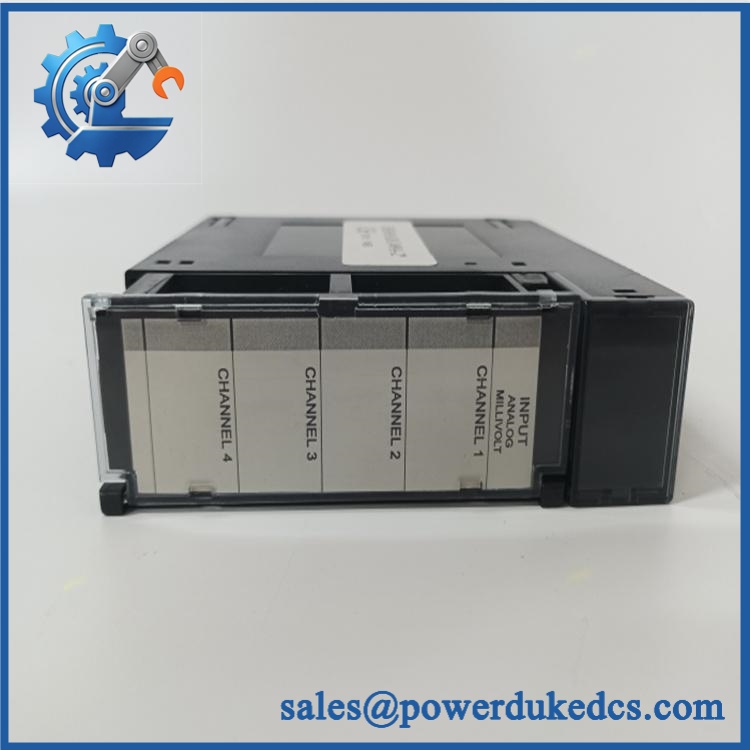
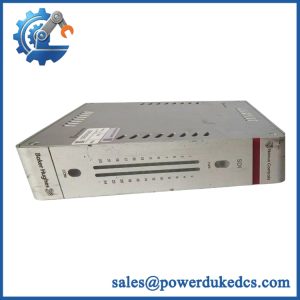
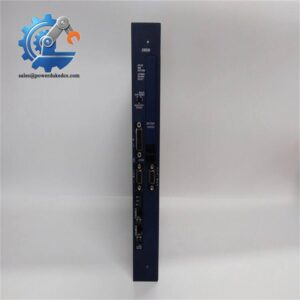
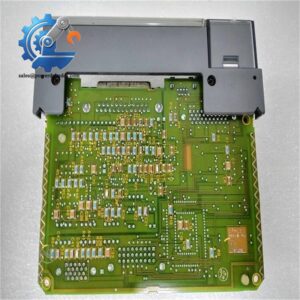
GE Fanuc HE693STP110
Quality Assurance & Testing SOP
For inventory offered as tested stock, the pre-shipment procedure should be documented at the individual-unit level rather than relying on visual condition alone.
- OEM anti-counterfeit visual inspection: Verify manufacturer markings, model identification, connector arrangement, PCB condition, labels, fasteners, terminal block, and visible component integrity against documented references.
- Part-number verification: Confirm at the unit level and record serial or revision information where available.
- Power-up bench test: Apply the specified rack environment and monitor initialization behavior for abnormal current draw, unexpected faults, or intermittent operation.
- Host PLC POST verification: Check the Series 90-30 CPU/rack RUN/ERR status during startup, then verify the ‘s own STOP/RAMP/CNST indicators, which are the module’s documented status LEDs.
- I/O load testing: Exercise step and direction outputs with a controlled test load, verify home and limit inputs, and check emergency-stop input response.
- Encoder simulation: Inject representative incremental encoder signals and confirm encoder-position feedback is processed correctly.
- Configuration validation: Confirm the allocated %I, %Q, %AI, and %AQ references and encoder parameters match the intended Series 90-30 application.
- Extended observation: Monitor the unit through repeated motion cycles to identify intermittent faults, unstable outputs, or thermal-related behavior before packing.
Procurement & Lifecycle FAQ
Is the genuinely in stock, and what is the cutoff for emergency shipping?
Because the is obsolete, stock should be confirmed against physical warehouse inventory before a PO is released. Emergency cutoff depends on the shipment destination, carrier, payment clearance, and the time the order is approved. A stock-confirmed quotation should state the actual dispatch commitment.
How do you verify the condition and authenticity of an obsolete ?
The recommended purchasing record should include the exact part number, available serial or revision information, photos of the actual unit when requested, visual inspection results, power-up verification, I/O testing, and the applicable test record. For obsolete equipment, unit-level evidence is more useful than relying on a generic catalog description.
Are there firmware or configuration issues my engineers should check before issuing the PO?
Yes. The is configured within the Series 90-30 system, and the manual specifies Logicmaster 90 v2.01 or later for configuration. Encoder type, multiplier, divisor, tolerance, and allocated PLC references should be checked before replacement.
Is this a direct replacement for an existing ?
For a failed being replaced by another , the intended approach is a like-for-like replacement without planned hardware modification. Wiring, configuration, encoder setup, and host PLC status should still be verified before restoring automatic operation.
What are the warranty and return terms?
The enforceable warranty period, DOA coverage, and return conditions should be stated on the quotation and PI for the specific unit supplied. Procurement teams should retain the quoted part number, condition, serial information, test documentation, and agreed RMA terms as part of the purchase record.


 Start Chat