

Description
- Brand: GE
- Full Model Number: HYDRAN S2
- System/Series Family: Hydran / Transformer Condition Monitoring
- One-Sentence Core Function: Online transformer sensor for continuous monitoring of dissolved fault gas and moisture conditions in insulating oil
- Top 3 Hardcore Specs: Continuous fault-gas monitoring; moisture measurement; online transformer installation
- Sensor Type: Hydran S2 gas and moisture sensor
- Primary Application: Oil-filled power transformers
- Primary Measurement: Dissolved fault gas / combustible gas condition
- Moisture Monitoring: Included
- System Integration: Hydran / Intellix MO150 architecture
- Network Capacity: Up to 4 Hydran S2 units on one Intellix MO150 network
- Associated Platform: GE Intellix MO150
- Installation: Transformer-mounted online monitoring
- Stock Status: New Surplus / Fully Tested Refurbished subject to availability
GE Grid Solutions documentation identifies Hydran S2 as a gas-and-moisture sensor used as part of the Intellix MO150 transformer monitoring package. An MO150 system can support up to four Hydran S2 units on one network, with one Hydran M2 also supported in the documented architecture.
Module 3: Commercial-Technical Deep Dive
Transformer insulation faults often develop before a conventional protection relay reaches a trip condition. The GE Hydran S2 provides continuous online monitoring of dissolved fault gas and moisture in transformer insulating oil, giving the asset-monitoring system a trendable condition signal instead of relying exclusively on periodic oil samples. GE documentation places Hydran S2 within the Intellix MO150 architecture as the gas-and-moisture sensing element, with the monitoring package combining transformer measurements, alarm handling, historical data acquisition, and condition-model functions.
The S2 is especially useful when a transformer requires continuous online surveillance but does not need every measurement channel available from a more comprehensive monitoring package. GE states that a single Intellix can connect up to four Hydran S2 sensors, with the primary Hydran device supplying the gas-related values used by the transformer models while additional S2 units can provide continuous fault-gas and moisture measurements for other monitored locations. This is a system-level sensor, not a generic 4–20 mA transmitter, so replacement work must preserve the intended Hydran communication architecture, transformer mounting arrangement, and commissioning baseline.
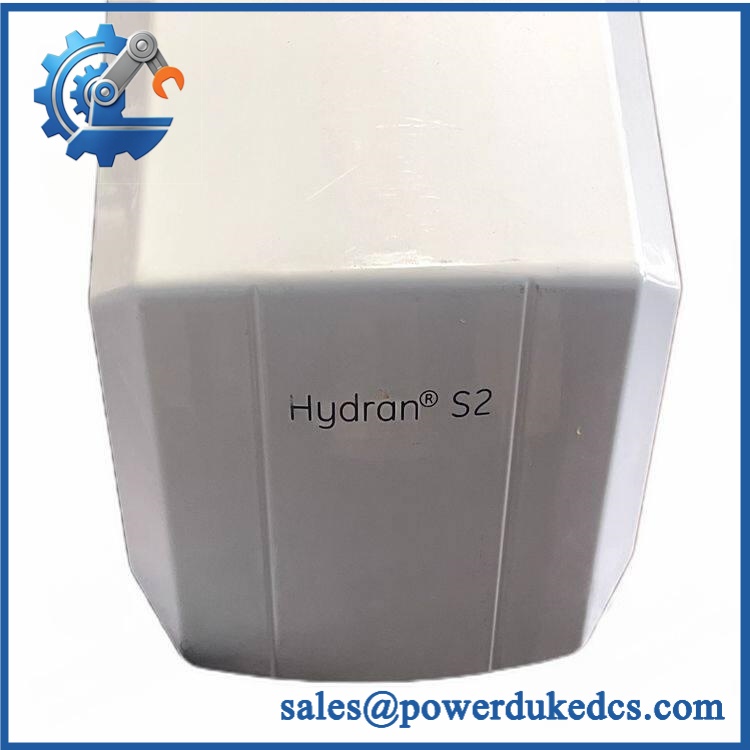
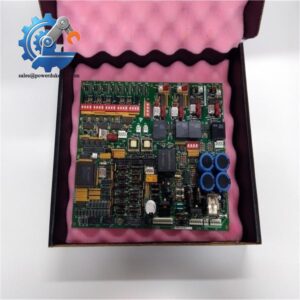
GE HYDRAN S2
Module 4: Compatibility & Installation Traps
Migration/Compatibility
- Product: GE Hydran S2
- Device Type: Online transformer gas and moisture sensor
- Primary Application: Oil-filled transformer condition monitoring
- Associated Monitoring Platform: GE Intellix
- Network Capacity: Up to 4 Hydran S2 sensors within the documented architecture
- System Function: Continuous online measurement of fault gas and moisture
- Replacement Type: Exact Hydran S2 configuration preferred
- Host Compatibility: Verify the existing Intellix/Hydran architecture before substitution
- Configuration: Preserve sensor assignment, transformer location, alarm thresholds, communication parameters, and baseline data
- Logic Rewrite: Normally not applicable to the sensor itself; supervisory-system configuration must be restored and verified
- Commissioning: Baseline and communication checks required after installation
⚠️ Field Traps (Watch Out)
1. Do not treat Hydran S2 as a generic gas transmitter.
GE’s documented architecture uses Hydran S2 as a dedicated transformer-monitoring sensor within the Hydran/Intellix ecosystem. Replacing it with a generic analog gas transmitter can eliminate the intended diagnostics and monitoring functions.
2. Verify the sensor location and network assignment.
An can support multiple Hydran S2 units, and the monitoring software associates individual Hydran devices with specific transformer tanks or monitored locations. Incorrect assignment can produce valid measurements attached to the wrong asset.
3. Preserve the commissioning baseline.
A replacement sensor should be checked against the historical monitoring baseline and the actual transformer oil condition. The sensor reading after installation should not automatically be treated as equivalent to the previous sensor without a controlled commissioning check.
4. Confirm the exact communications architecture.
The Hydran S2 can be integrated through the Intellix system; verify the actual interface and host arrangement in the installed system rather than assuming a particular RS-485, Ethernet, or analog interface from a third-party listing.
Module 5: Quality Assurance SOP
Each available GE HYDRAN S2 should undergo a documented transformer-monitoring inspection and functional verification before shipment:
- OEM anti-counterfeit visual inspection: Verify GE Hydran identification, complete HYDRAN S2 designation, nameplate information, enclosure markings, mounting interface, cable connections, and manufacturing traceability.
- Model verification: Confirm the unit is specifically Hydran S2, not Hydran M2, Hydran M2-X, or a Hydran controller.
- Mechanical inspection: Check the transformer-mounting interface, sensor body, fittings, cable glands, connectors, enclosure, and sealing surfaces.
- Environmental-condition inspection: Check for corrosion, oil contamination, cracked housings, damaged seals, moisture intrusion, and signs of prolonged thermal exposure.
- Electrical precheck: Perform controlled continuity and insulation checks using the approved GE service procedure before applying operating power.
- Power-on self-test (POST): Energize the sensor using an approved Hydran test fixture and verify normal startup and diagnostic behavior.
- Host communication handshake: Connect the S2 to an approved Hydran/Intellix test environment and verify sensor recognition.
- Gas-measurement simulation: Apply an approved calibration or simulation procedure and verify the sensor responds consistently to representative fault-gas conditions.
- Moisture-measurement verification: Verify moisture-channel response using the approved laboratory or service calibration method.
- Alarm verification: Generate representative abnormal conditions and confirm the host system receives the expected alarm status.
- Data-trending test: Confirm that measured values are transmitted and recorded continuously by the monitoring system.
- Multi-sensor addressing test: Where applicable, verify correct device identity when multiple Hydran S2 units are connected to the same network.
- Baseline validation: Record the commissioning baseline and compare the test result against the approved reference.
- Final QC record: Document model, serial/trace information where available, host test platform, gas/moisture test results, communication status, alarm results, and technician sign-off.
- Protected packaging: Package the sensor against shock, contamination, moisture, and mechanical damage to the mounting interface.
The critical QC distinction is between sensor startup and measurement validation. A Hydran S2 that establishes communications has not necessarily demonstrated accurate gas and moisture measurement. Where an approved calibration fixture is available, the outgoing report should contain actual measured test points.
Module 6: CRO-Driven Buyer FAQ
What is the GE Hydran S2?
The GE Hydran S2 is an online transformer gas and moisture sensor used to continuously monitor fault-gas and moisture conditions in transformer insulating oil. GE documents it as a component of the Intellix transformer-monitoring architecture.
What does Hydran S2 measure?
The Hydran S2 provides continuous measurement of dissolved fault gas and moisture associated with transformer condition monitoring. GE’s Intellix documentation specifically describes S2 as a gas-and-moisture sensing device for transformer monitoring.
How many Hydran S2 units can an Intellix support?
GE documentation states that one Intellix can support up to four Hydran S2 units on a single network, with one Hydran M2 also supported in the documented configuration.
Is Hydran S2 the same as Hydran M2?
No. They serve different roles within the Hydran monitoring family. The Intellix documentation identifies Hydran S2 as a gas-and-moisture sensor, while Hydran M2 is a separate monitoring device that can provide the primary Hydran measurement input for the transformer models.
Can Hydran S2 be replaced while the transformer is energized?
Do not assume live replacement is permissible. The sensor is associated with a transformer oil interface, so installation must follow the transformer manufacturer’s maintenance procedure, the Hydran installation procedure, and the site’s electrical and mechanical isolation requirements.
What should I verify before ordering HYDRAN S2?
Confirm the exact Hydran S2 model, transformer mounting arrangement, monitored tank/location, host Intellix or Hydran architecture, communication interface, alarm configuration, and existing commissioning baseline. A photograph of the installed sensor nameplate and mounting assembly is useful for exact matching.
What warranty and technical support should I expect?
Warranty duration should be stated for the exact unit condition and test status on the quotation. Technical support should cover model verification, Hydran/Intellix compatibility, communication checks, installation guidance, calibration-test documentation, and alarm verification. Transformer diagnostic interpretation, dissolved-gas analysis, and asset-condition engineering should be treated separately unless explicitly included.



 Start Chat