

Description
- Model & Brand: GE General Electric / GE Fanuc IC3600SVDD1
- Series: Speedtronic Mark I / Mark II
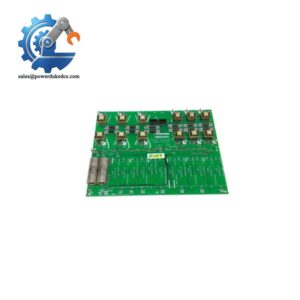
- Part Type: Vibration Calibration Board
- Physical Dimensions: Exact OEM dimensions are not reliably published for the IC3600SVDD1; typical IC3600-series PCB construction is a plug-in card format, so measure the actual board before cabinet or replacement-rack planning.
- Estimated Shipping Weight: Approximately 0.3–0.6 kg for a protected PCB shipment; use the actual packed weight for freight documentation.
- What’s in the Box: IC3600SVDD1 circuit board, ESD shielding protection, rigid PCB protection, and applicable inspection/QC documentation. Rack hardware, extender cards, cables, and calibration equipment are not assumed.
Product Introduction
The GE IC3600SVDD1 belongs to the much older Speedtronic Mark II turbine-control generation, where board-level analog and protection functions were distributed across dedicated printed circuit cards. Industrial parts records identify this exact number as a Vibration Calibration Board, while GE Speedtronic records place the IC3600 family within the Mark I/Mark II gas-turbine control platform.
For a reliability engineer, the key point is the function: this is calibration-related vibration hardware, not a general-purpose analog I/O card. It should therefore be evaluated against the original turbine drawing and calibration procedure before substitution. The circuitry is several generations older than modern Mark VI hardware, so New Surplus preservation, connector condition, and exact board revision are usually more important than cosmetic appearance.
Core Technical Specifications
| Parameter | Value |
|---|---|
| Manufacturer | GE General Electric / GE Fanuc |
| Model | IC3600SVDD1 |
| Series | Speedtronic Mark I / Mark II |
| Functional Family | SVDD |
| Product Type | Vibration Calibration Board |
| Primary Application | Gas-turbine vibration signal calibration / conditioning |
| Control Platform | Legacy Speedtronic Mark I-II |
| Board Construction | Plug-in printed circuit board |
| Processor | None identified |
| Application Memory | None |
| Standalone Firmware | None |
| Analog I/O | Application-specific calibration circuitry; exact channel count not reliably published |
| Calibration Function | Vibration-signal calibration |
| Front-Panel Interface | Legacy board/rack interface; exact connector arrangement should be verified against the physical unit |
| Power Input | Supplied through the applicable IC3600 rack/backplane |
| Power Consumption | Exact OEM rating not reliably established from available records |
| Heat Dissipation | Exact OEM value not reliably established |
| Mounting | IC3600-series card rack |
| Environmental Rating | Must be verified against the original Mark II cabinet/system documentation |
| Replacement Class | Legacy maintenance spare |
| Hot Replacement | Do not assume live replacement |
| Lifecycle Position | Obsolete / Legacy |
Identification and data-quality note
The strongest available identification for IC3600SVDD1 is “VIBR CAL BOARD” / vibration calibration board within the Mark II Speedtronic family. Legacy inventory databases sometimes attach abbreviated descriptions to IC3600 cards, and several closely related SV-series boards have different functions—for example, vibration detection and vibration alarm boards.
Do not substitute IC3600SVDA1, IC3600SVDC1, or IC3600SVDE1 merely because their prefixes are similar. Those are separate vibration-related board functions.
Because reliable public specifications for exact power consumption, channel count, dimensions, and connector pinout are limited, those values should be taken from the turbine’s original engineering drawings and the physical nameplate rather than estimated for commissioning purposes.
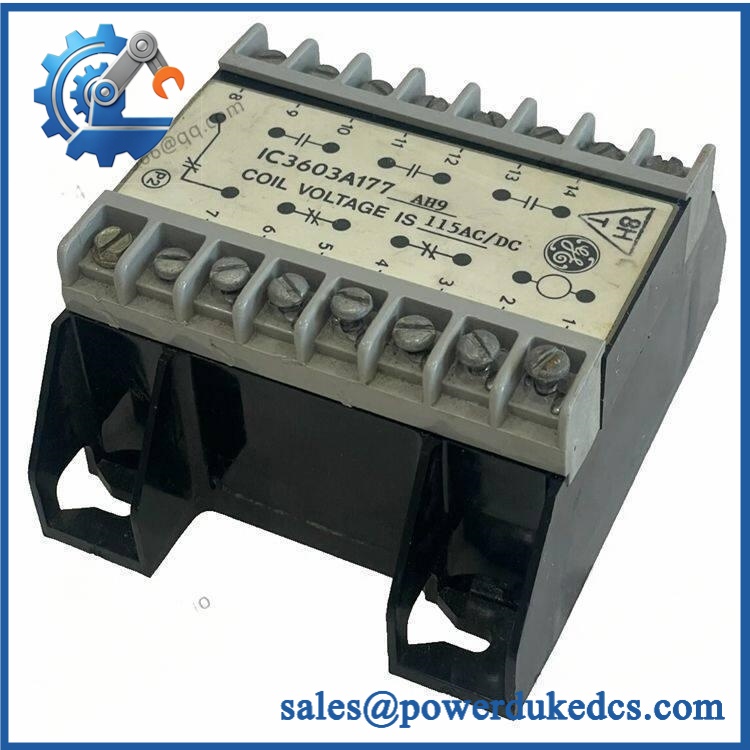
GE IC3600SVDD1
🚨 Global Compliance & Industry Certifications
The is legacy turbine-control hardware, and any compliance claim should be attached to the complete GE Speedtronic equipment configuration rather than the bare PCB.
- CE Mark: Verify applicability from the original Mark I/Mark II equipment documentation; modern CE assumptions should not be projected backward onto a decades-old PCB.
- UL/cUL: Verify the complete turbine-control cabinet and approved installation configuration.
- ATEX / IECEx: Do not assume standalone hazardous-area certification for the SVDD1 board.
- Marine / DNV GL: No standalone marine approval should be assumed without project-specific documentation.
- Electrical Safety: Board-level isolation or insulation characteristics, if required, must be verified from the original GE schematic.
- Country of Origin: Establish using manufacturing traceability or supplier documentation for the actual unit.
- HS Tariff Classification: Confirm the final code with the importer or destination-country customs broker.
For turbine protection and vibration monitoring, certification boundaries are especially important. A board may perform its intended electrical function while still being unsuitable for a certified installation because the complete rack or cabinet configuration has changed.
Verify specific lot certifications with OEM.
🚨 Long-Term Storage & Asset Preservation Guide
Keep the in an ESD shielding bag with the edge connector protected by a rigid cover or non-abrasive conductive-safe material. Legacy card-edge contacts are vulnerable to oxidation and contamination after repeated warehouse handling.
Maintain a dry storage environment without condensation. For long-term inventory, target below approximately 60% RH where practical, and avoid large temperature swings that can produce moisture on cold PCB surfaces.
Inspect the board for aged solder joints, oxidized contacts, cracked components, discoloration, and prior repair work before releasing it to maintenance. Do not clean the gold-plated card edge with an aggressive abrasive; use the approved contact-cleaning procedure for the actual connector material.
For a board this old, preserve date-code and revision information whenever visible. The physical condition of capacitors and other aging components should also be recorded, but capacitor reforming should only be performed under an approved procedure for the exact circuit.
Physical Installation Prerequisites
Install the only in the correct IC3600-series Speedtronic rack position specified by the original turbine documentation. The card should slide cleanly into its guides and engage the backplane connector without excessive force.
Do not apply a generic modern DIN-rail clearance rule to this equipment. The installation is a legacy card-rack architecture, so the original cabinet drawing should determine card spacing, cooling path, grounding, and service access.
Before insertion, inspect the card guides and mating connector for contamination. Verify the rack supply rails at the backplane using the applicable GE schematic before installing an unknown replacement.
Because this board is associated with vibration calibration, preserve the original signal cable routing, shield termination, and calibration reference connections. These details can affect measured vibration values even when the PCB itself is functioning correctly.
Do not remove or install the board under power unless the original GE maintenance procedure explicitly permits it.
Buyer’s FAQ — Logistics & Compliance Focus
Q: What HS Tariff Code should be used for ?
A: The part is a legacy gas-turbine control PCB, but the final Harmonized System classification depends on the importing country’s tariff schedule and customs interpretation. Have the importer or customs broker confirm the classification before issuing export documents.
Q: Where does the Country of Origin come from?
A: COO should be supported by actual manufacturing or traceability documentation. The current seller’s warehouse location or export port does not establish the board’s manufacturing origin.
Q: Does the come with the latest firmware pre-loaded?
A: No standalone firmware should be assumed. This is a dedicated vibration calibration circuit board rather than a modern programmable controller. Its function is determined by the board hardware, associated rack electronics, calibration network, and turbine control configuration.
Q: How should this legacy board be insured for shipment?
A: Insure it for the documented replacement value and photograph the board identity, edge connector, component side, and packaging before dispatch. Use an ESD shielding bag, rigid card-edge protection, moisture protection, and sufficient internal cushioning so the PCB cannot flex or slide during transportation.



 Start Chat