
Description
- Brand: GE Fanuc
- Full Model Number: IC660ELB912G
- System/Series Family: Genius I/O / PC Interface Module
- One-Sentence Core Function: MicroGENI daughterboard providing a host interface to the Genius I/O serial bus
- Top 3 Hardcore Specs: 5 VDC ±10%; 400 mA maximum supply requirement; Up to 30 Genius bus devices
- Communication: Genius protocol; 38.4K, 76.8K, 153.6K standard, 153.6K extended baud rates
- Host Compatibility: IC660ELB921 single-channel PCIM; IC660ELB922 dual-channel PCIM
- Memory Requirement: 16 KB per daughterboard
- Status Indicators: GENI OK; COMMS OK
- Stock Status: New Surplus / Stock Confirmation Required
The GE documentation identifies the IC660ELB912 as the MicroGENI daughterboard used with the IC660ELB921 and IC660ELB922 PCIM platforms. The PCIM architecture supports up to 30 Genius bus devices per daughterboard.
Module 3: Commercial-Technical Deep Dive
A failed IC660ELB912-class interface can stop an otherwise healthy legacy Genius I/O network from exchanging process data with its host. The IC660ELB912G is not a conventional field I/O block; it is the network-facing MicroGENI daughterboard installed on a GE PCIM platform. That distinction matters during procurement because the replacement must match the existing PCIM architecture rather than simply the Genius field wiring. GE specifies compatibility with the IC660ELB921 single-channel PCIM and IC660ELB922 dual-channel PCIM, with two status indicators used to distinguish board health from communications status.
The electrical envelope is equally important. The PCIM uses a 5 VDC logic supply with ±10% tolerance, while a daughterboard requires up to 400 mA; each daughterboard also reserves 16 KB of system memory. Genius bus operation supports 38.4K, 76.8K, 153.6K standard, and 153.6K extended baud rates, and the bus can address up to 30 devices through the daughterboard. In practical terms, those limits define whether an installed spare can be commissioned without changing host resources or bus configuration. Keep the original baud setting intact unless the entire Genius bus is configured accordingly—GE notes that devices sharing a bus must use the same baud rate.
Module 4: Compatibility & Installation Traps
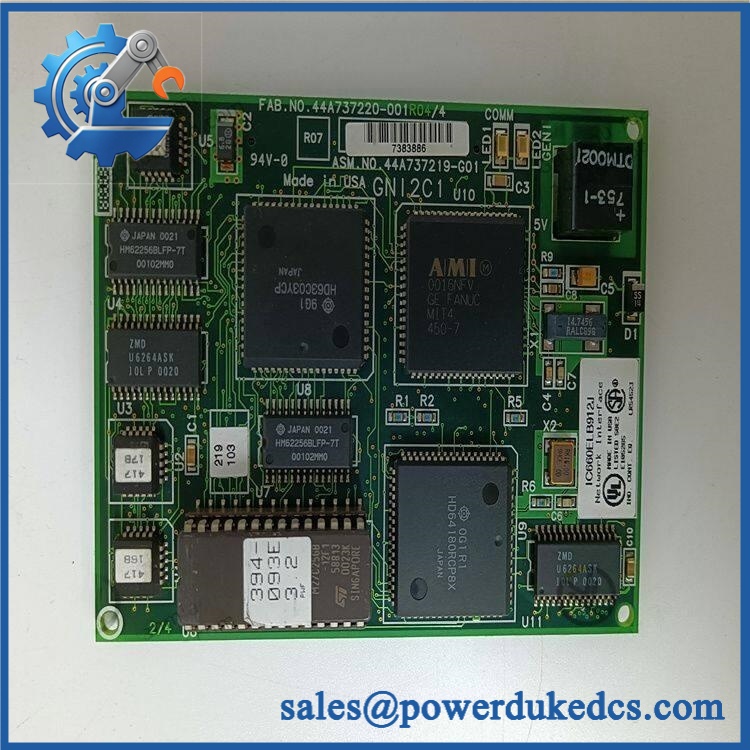
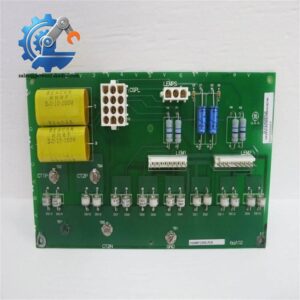
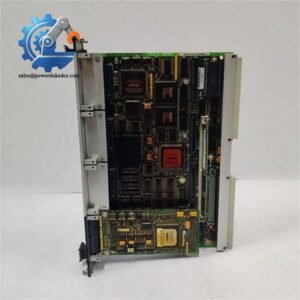
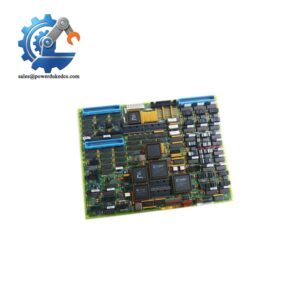
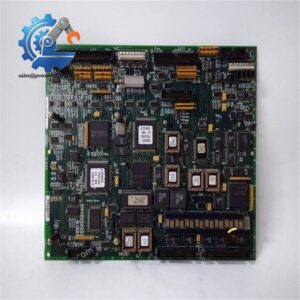
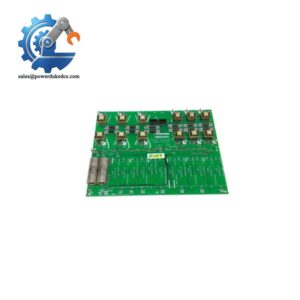
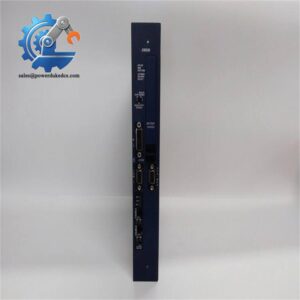
GE IC660ELB912G
Migration/Compatibility
- Architecture: IC660ELB912G is a MicroGENI daughterboard, not a standalone 24 VDC Genius I/O block.
- Host requirement: Verify that the existing host uses an IC660ELB921 or IC660ELB922 PCIM arrangement before ordering.
- Revision relationship: The G revision is a later IC660ELB912 hardware revision. GE specifically documents a revision-level difference: IC660ELB912G and later boards can clear the watchdog through the
/RSTsignal, while revision F and earlier require a power cycle. - Firmware/logic rewrite: No separate firmware flash procedure for the IC660ELB912G is identified in the referenced GE hardware documentation. Application configuration still needs to match the existing PCIM memory address, I/O address, bus address, baud rate, and device configuration.
- Drop-in status: Treat it as a revision-compatible spare within the IC660ELB912 family, not as a universal replacement for unrelated Genius interface hardware.
⚠️ Field Traps (Watch Out)
1. Power-down installation is mandatory.
The PCIM installation procedure instructs technicians to power OFF the host computer and disconnect it from its power source before installation. Do not treat the daughterboard as a live-insertion component.
2. Baud-rate mismatch can create a false hardware diagnosis.
The PCIM supports 38.4K, 76.8K, 153.6K standard, and 153.6K extended operation, but devices on the same Genius bus must use the same baud rate. Verify the existing configuration before changing DIP or software settings.
3. Watch the reset timing.
After /RST rises, GE specifies a 500 µs initialization interval during which interrupts should not be enabled and shared RAM should not be read or written. Ignoring that timing can cause the watchdog to time out.
Module 5: Quality Assurance SOP
Before shipment, each available IC660ELB912G unit should pass a documented inspection sequence rather than a visual-only check:
- OEM anti-counterfeit visual inspection: Compare board markings, revision identifier, connector geometry, PCB workmanship, component placement, and catalog number against reference documentation.
- PCB condition inspection: Check for corrosion, cracked components, lifted pads, contamination, damaged edge contacts, bent connector interfaces, and prior repair evidence.
- Revision verification: Confirm the physical marking specifically reads before packing.
- Electrical inspection: Verify the board is suitable for the specified 5 VDC logic environment and inspect for abnormal resistance or visible power-stage damage before energized testing. GE specifies 5 VDC ±10% for the PCIM platform.
- Power-on self-test (POST): Install on an approved PCIM test setup and check the expected GENI OK and COMMS OK indicators.
- Communication handshake verification: Establish communication through a compatible IC660ELB921 or IC660ELB922 PCIM and verify Genius bus access using a controlled test configuration.
- Bus configuration check: Confirm supported baud-rate operation and verify that the test network uses a consistent Genius baud rate.
- Watchdog/reset verification: For revision G, verify the
/RSTbehavior where the test fixture supports it; GE documents this as a revision-specific feature. - Final QC record: Record part number, revision, serial/trace information where present, test result, inspection date, and technician sign-off.
- ESD packaging: Place the tested PCB in an ESD-safe protective package before mechanical cushioning and export-grade outer packaging.
Module 6: CRO-Driven Buyer FAQ
Is the GE obsolete?
Yes. The IC660ELB912 family belongs to GE Fanuc’s legacy Genius I/O architecture and is no longer a mainstream current-generation control platform. That makes revision identification and source traceability more important than a generic statement that an IC660ELB912 is available. Current sourcing should confirm the exact G revision, physical condition, and compatibility with the installed PCIM.
Can I replace an IC660ELB912F with an ?
The G revision is specifically documented as supporting watchdog reset through /RST, whereas F and earlier revisions require a power cycle to clear the watchdog. Do not assume every system behaves identically after a revision change; verify the host hardware, software configuration, and reset implementation before returning the system to service.
Can the be replaced while the controller is powered?
Not as a standard hot-swap procedure. GE’s PCIM installation instructions explicitly require the host computer to be powered off and unplugged before installing the PCIM hardware. For a live production system, follow the site’s approved shutdown and energy-control procedure rather than attempting board insertion under power.
What should I verify before ordering?
Confirm the installed PCIM model—IC660ELB921 or IC660ELB922—then check the existing Genius bus baud rate, memory allocation, I/O configuration, board revision, and physical condition of the mating connectors. The architecture uses 16 KB of memory per daughterboard and supports up to 30 bus devices.
What warranty and technical support should I expect?
Warranty coverage depends on the supplier’s commercial terms and the unit’s condition, so it should be stated explicitly on the quotation rather than inferred from the GE part number. Technical support should cover part identification, compatibility review, installation guidance, and test documentation; it should not be represented as OEM engineering support for a legacy Genius application unless that service is actually available.



 Start Chat