

Description
- Brand: GE General Electric
- Full Model Number: IS200EGDMH1AFF
- Lifecycle Status: Legacy / Lifecycle-managed
- Core Function: Exciter Field Ground Detector Module for GE EX2100 excitation systems
- Top 3 Technical Specs: EGDM functional board; EX2100 Exciter Power Backplane Rack installation; Controller / Master 1 / Master 2 redundancy role configuration
- Stock & Condition: New Surplus / Tested Refurbished; Physical stock confirmation required; Emergency dispatch subject to order cutoff
The IS200EGDMH1AFF is the GE Exciter Ground Detector Module (EGDM) associated with the EX2100 excitation-control system. GE’s EGDM documentation identifies the board as the Exciter Ground Detector Board and describes its function as detecting field-to-ground resistance within the generator excitation circuit. The board mounts in the Exciter Power Backplane Rack.
Module 3: Obsolescence & Supply Chain Deep Dive
A failed IS200EGDMH1AFF can remove the excitation system’s field-ground detection function, creating a protection and maintenance issue even when the main excitation-control electronics remain operational. The EGDM measures the generator field circuit in relation to ground and works with the EXAM module to determine the ground-detection condition. GE documentation identifies the EGDM as a dedicated EX2100 board, while field references describe simplex systems using one EGDM and redundant systems using three boards. For a legacy EX2100 installation, sourcing the correct board can therefore avoid a much larger outage investigation or excitation-system retrofit.
The TCO case is strongest when the existing EX2100 rack, EXAM hardware, fiber-optic connections, and ground-detection circuitry remain serviceable. A matching EGDM preserves the installed architecture and avoids rewiring, engineering changes, and a broader excitation-system migration. In redundant arrangements, the three EGDM boards have defined operating roles, so replacement is not simply a matter of inserting any visually identical board — the installed Controller, Master 1, and Master 2 assignment must be preserved through the board’s programming configuration.
Module 4: Compatibility & Replacement Matrix
| Purchase Approval Item | Assessment |
|---|---|
| Replacement Classification | Conditional Drop-in Replacement |
| System Family | GE Excitation Control |
| Module Type | Exciter Ground Detector Module |
| Functional Acronym | EGDM |
| Mounting Location | Exciter Power Backplane Rack (EPBP) |
| System Arrangement | 1 EGDM simplex / 3 EGDM redundant configuration |
| Role Configuration | Controller / Master 1 / Master 2 where redundant |
| Software Compatibility | Configuration/programming verification required |
| Hardware Modification | Normally not required for exact replacement |
| Estimated Physical Changeover | 1–3 hours |
| Commissioning / Validation | Required for ground-detection, role assignment, EXAM interface, and alarm verification |
Field Traps — Watch Out
- Redundancy-role configuration: In a redundant system, the three EGDM boards are assigned different roles. GE documentation identifies Controller, Master 1, and Master 2 roles, with board programming controlled through the P2 connector/programming-pin arrangement. A replacement board must be configured to the correct role before commissioning.
- EXAM interface dependency: The EGDM works with the EXAM ground-detection circuitry. The replacement must be checked against the installed EXAM arrangement, fiber-optic connections, and field-ground detection configuration rather than treated as an independent protection board.
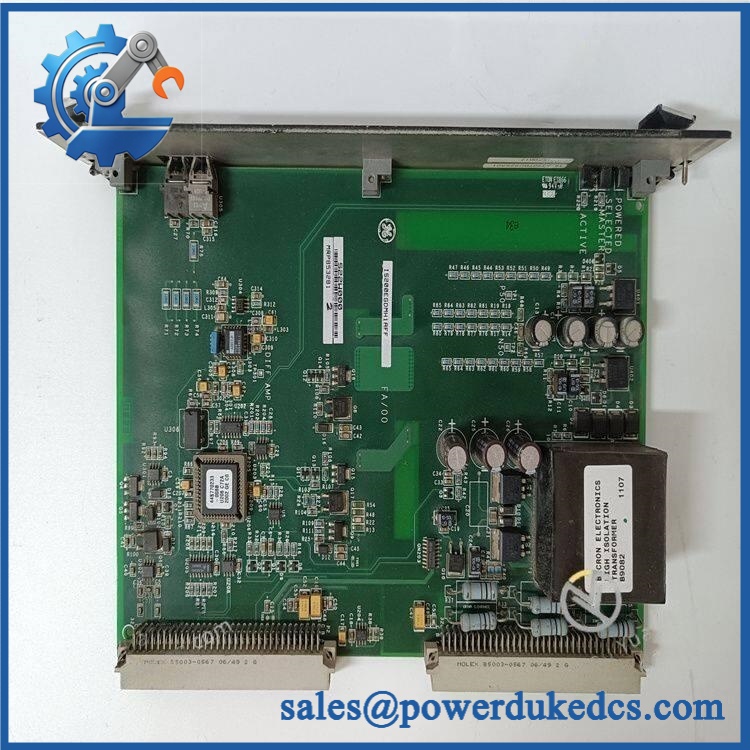
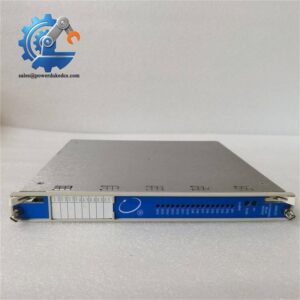
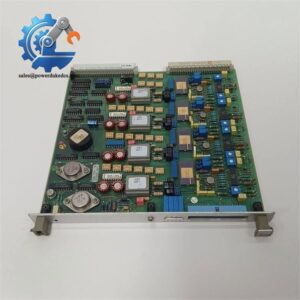
GE IS200EGDMH1AFF
Module 5: Quality Assurance & Testing SOP
This board should undergo configuration-aware functional testing because incorrect role assignment can affect redundant operation.
- Incoming traceability: Record GE markings, complete IS200EGDMH1AFF identification, serial number, revision data, and visible configuration markings.
- OEM anti-counterfeit visual inspection: Inspect PCB markings, labels, connectors, components, solder quality, fiber interfaces, mounting hardware, and evidence of unauthorized repair.
- Mechanical inspection: Verify board dimensions, mounting points, P2 connector, backplane connectors, and retaining hardware.
- Power-on self-test (POST): Install the board in an approved test arrangement and verify power-up behavior and applicable status LEDs.
- Supply verification: Confirm the approved control supply and check current draw, abnormal heating, and startup stability.
- P2 configuration check: Inspect and document the programming-pin arrangement before functional testing.
- Role-assignment test: For redundant configurations, verify correct Controller, Master 1, or Master 2 role assignment.
- EXAM interface test: Connect a compatible EXAM test assembly and verify the expected electrical/fiber interface behavior.
- Ground-detection simulation: Apply a controlled simulated field-ground condition and verify the EGDM response.
- Signal-transfer verification: Confirm communication between the EGDM, associated EXAM circuitry, and supervisory control hardware.
- Alarm-path test: Simulate representative ground-fault conditions and verify the expected diagnostic/alarm response.
- Redundancy test: Where applicable, exercise master-selection and redundant-board behavior under controlled laboratory conditions.
- I/O load testing: Apply representative interface loads and monitor signal stability, supply behavior, and board temperature.
- Extended operation: Run the module continuously while monitoring LEDs, communication integrity, temperature, and intermittent faults.
- Final QC release: Record role assignment, P2 configuration, EXAM test results, alarm response, serial number, inspection date, and technician approval.
Module 6: Procurement & Lifecycle FAQ
1. Is the GE IS200EGDMH1AFF genuinely in stock, and what is the cutoff for emergency shipping?
Current supplier listings show the IS200EGDMH1AFF as commercially available, with some listings reporting new stock. However, inventory conditions vary by supplier, so emergency procurement should be based on physical warehouse confirmation rather than a catalog status. Confirm the exact part number, revision, quantity, condition, and same-day dispatch cutoff before releasing the PO.
2. How do you verify the condition and authenticity of this surplus ground detector?
Verification should begin with the complete identification and GE board markings. Inspect the PCB, connectors, P2 programming interface, mounting hardware, and status LEDs, followed by controlled power-up and ground-detection functional testing. For redundant systems, role assignment must also be documented and tested. GE’s board documentation provides the EGDM functional identification and board-identification convention used for traceability.
3. Are there any firmware compatibility issues I should warn my engineers about before issuing the PO?
The primary concern is configuration compatibility, rather than a conventional firmware flash. Engineers should verify whether the installation is simplex or redundant and, where redundant, whether the replacement must operate as Controller, Master 1, or Master 2. The P2 programming configuration must match the intended system role before energization.
4. Can the replace the installed EGDM without hardware modification?
For an exact replacement within the same configuration, hardware modification is normally not required. The board mounts in the Exciter Power Backplane Rack, but the associated EXAM interface, fiber connections, programming-pin arrangement, and redundant operating role must be matched before commissioning.
5. What warranty and return terms should procurement require?
The PO should specify , exact revision, system role where applicable, condition, configuration status, test results, warranty period, and return procedure. Warranty coverage should address DOA and verified EGDM functional failure while excluding damage caused by incorrect board configuration, improper EXAM connections, unsuitable power, ESD, field-wiring faults, or unauthorized modification.



 Start Chat