

Description
- Brand: GE
- Full Model Number: IS200SAMBH1ABA
- Lifecycle Status: Legacy / Obsolescence-Risk
- Core Function: Acoustic monitoring terminal interface for GE Mark VI turbine control systems
- Top 3 Technical Specs: 18 input channels; 18 output channels; 36-terminal field interface
- Stock & Condition: New surplus / tested refurbished — verify exact SAMB revision and associated acoustic input board before PO
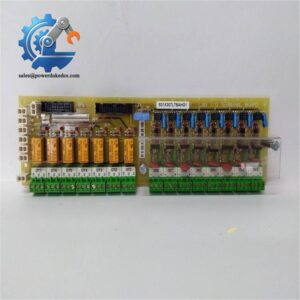
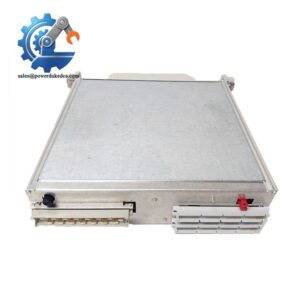
The IS200SAMBH1ABA is identified in available technical references as a GE Mark VI SAMB acoustic monitoring terminal board. References describe 18 two-wire input channels and 18 buffered output channels, with a passive EMI filter and metal-frame construction.
Module 3: Obsolescence & Supply Chain Deep Dive
When an IS200SAMBH1ABA fails, the immediate issue is loss of the field interface for multiple acoustic-monitoring points rather than a conventional PLC I/O failure. The board provides the terminal connections used for acoustic signal acquisition and buffered signal output within the Mark VI acoustic-monitoring architecture. Available references describe 18 inputs and 18 outputs, with 36 terminals used for two-wire input connections and a corresponding buffered-output interface.
From a TCO standpoint, replacing the terminal board can preserve the existing turbine-control cabinet, field wiring, acoustic sensors, and associated monitoring electronics. That is normally less costly than rebuilding the complete acoustic-monitoring channel or modifying the Mark VI cabinet. The main procurement risk is architecture matching. The IS200SAMBH1ABA should not be treated as a standalone generic I/O board; available references associate it with the GE Mark VI acoustic-monitoring system and identify it as a SAMB functional board. Verify the associated input/processing hardware, board revision, terminal arrangement, and jumper configuration before approving the spare.
Module 4: Compatibility & Replacement Matrix
| Procurement Check | IS200SAMBH1ABA Assessment | Engineering Action |
|---|---|---|
| Replacement Type | Drop-in Replacement when the installed Mark VI acoustic-monitoring assembly uses the same SAMB configuration | Match complete part number and revision |
| Software Compatibility | Configuration-dependent | Verify associated acoustic-processing hardware and signal configuration |
| Hardware Modification | Normally none for an exact board match | Confirm terminal arrangement, connectors, jumpers, and field wiring |
| Typical Switch Time | Approx. 2–4 hours | Allow additional time for signal-channel verification |
| Estimated Engineering / Testing Cost | Approx. 500–2,000 | Include acoustic signal and buffered-output testing |
| Alternative | Different SAMB revision or redesigned acoustic interface | Requires engineering and wiring review |
Field Traps — Watch Out
Associated-board dependency: Available references describe the SAMB as an acoustic-monitoring terminal interface and indicate that it works with associated acoustic input/processing hardware. Do not approve the board solely by matching the 18-channel count; verify the complete Mark VI acoustic-monitoring architecture.
Jumper configuration: Technical descriptions identify multiple jumper positions on the SAMB board used to connect signal lines to a constant-current source. Photograph and record the original jumper positions before removing the failed board; restoring the wrong configuration can change field-signal behavior.
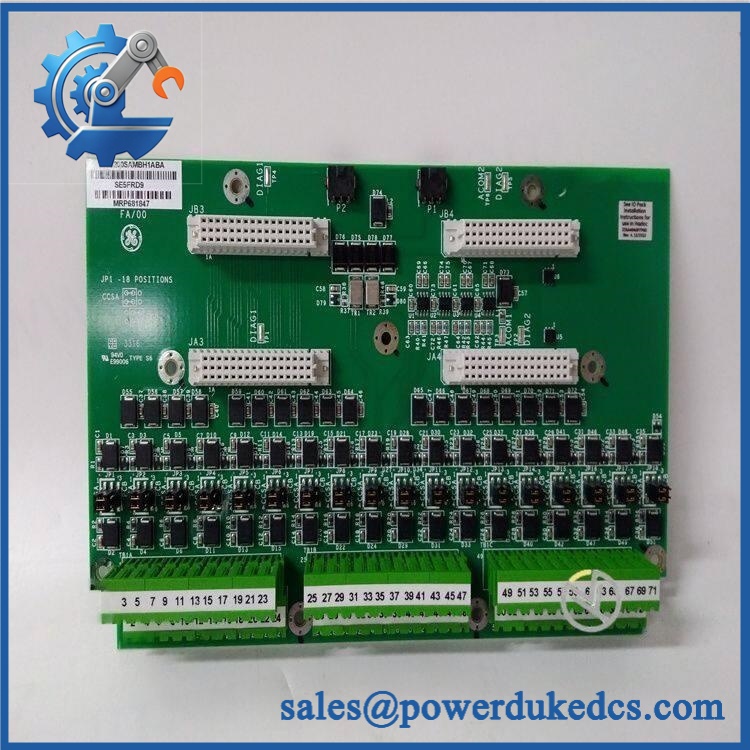
GE IS200SAMBH1ABA
Module 5: Quality Assurance & Testing SOP
The IS200SAMBH1ABA should receive controlled visual, electrical, configuration, and channel-level testing before shipment.
1. Incoming inspection
- Record manufacturer, complete part number, serial/date code, and revision markings.
- Perform OEM anti-counterfeit visual inspection.
- Inspect PCB surfaces, terminal blocks, connectors, jumper headers, metal frame, and mounting hardware.
- Check for corrosion, contamination, cracked components, damaged terminals, bent contacts, heat damage, or unauthorized rework.
- Verify the board’s conformal coating condition where applicable.
2. Configuration verification
- Confirm identification.
- Record functional, hardware, and artwork revision markings.
- Verify the SAMB acoustic-monitoring configuration.
- Photograph all jumper positions before any adjustment.
- Record terminal assignments and field-interface configuration.
- Confirm the associated Mark VI acoustic-monitoring hardware.
3. Electrical inspection
- Check terminal-to-terminal continuity on applicable signal paths.
- Verify connector and terminal integrity.
- Check shield and grounding paths where applicable.
- Perform controlled insulation testing on applicable circuits.
- Verify no unintended shorts exist between signal paths.
- Confirm jumper continuity against the documented configuration.
4. Power-on and signal testing
- Install the board in a compatible GE Mark VI acoustic-monitoring test arrangement.
- Apply controlled system power through the appropriate host hardware.
- Perform power-on self-test (POST) at the system level where supported.
- Verify expected hardware recognition and diagnostic status.
- Apply calibrated acoustic/electrical test signals to representative input channels.
- Verify signal transmission through the terminal board.
- Test buffered output channels under representative conditions.
- Exercise representative channels across the required operating range.
- Perform I/O load testing on applicable buffered-output circuits.
- Run an extended channel test to identify intermittent terminal or signal faults.
5. Final QC
- Record input-channel and output-channel test results, jumper configuration, revision, serial number, and test date.
- Confirm the physical terminal arrangement matches the purchase specification.
- Generate a unit-specific Test Report.
- Package using ESD and mechanical protection.
- Apply final QC identification before shipment.
Module 6: Procurement & Lifecycle FAQ
Is GE genuinely in stock, and what is the emergency-shipping cutoff?
Physical availability should be confirmed against the actual serial-numbered board, including revision, condition, and configuration. Current aftermarket references identify as a GE Mark VI acoustic-monitoring terminal board and report stock from some suppliers, but allocation should be verified before the PO is released.
How do you guarantee the condition and authenticity of surplus units?
Require complete part-number and revision verification, PCB and terminal inspection, jumper-position documentation, continuity testing, controlled system installation, representative input/output testing, and a unit-specific Test Report. Actual photographs of the supplied board should be retained with the procurement record.
Are there any firmware compatibility issues I should warn my engineers about before issuing the PO?
The terminal board itself is primarily a hardware interface, so the key concern is system configuration rather than firmware flashing. Engineers should preserve jumper settings, terminal assignments, associated acoustic-processing hardware, and the installed Mark VI configuration before replacement.
Can I substitute another GE SAMB board for ?
Not automatically. Available technical references identify this board specifically as the SAMB acoustic monitoring terminal board, with its particular revision and terminal/jumper arrangement. Match the complete identification and associated Mark VI acoustic-monitoring hardware before approving a substitute.
What warranty and return terms should procurement require?
Specify , serial number, complete revision marking, tested condition, warranty period, DOA criteria, acceptance window, and return procedure in the PO. Functional acceptance should include terminal continuity, jumper verification, representative acoustic-signal inputs, buffered outputs, and successful operation with the specified Mark VI system.



 Start Chat