

Description
- Model: IS200TSVCH1AJE
- Brand: GE General Electric
- Series: Mark VI Speedtronic
- Part Type: Servo I/O Terminal Board
- Functional Acronym: TSVC / TSVCH
- Primary Function: Physical interface for servo-valve coil outputs, LVDT feedback, and pulse-rate inputs
- Associated I/O Pack: PSVO family
- Servo Outputs: Supports servo-valve coil-current configurations including 10, 20, 40, 80, and 120 mA
- LVDT Interface: Up to 8 LVDT windings
- Pulse Inputs: 2 pulse-rate inputs, magnetic or TTL
- Typical Supply: 28 VDC control architecture
- Approx. Board Dimensions: Approximately 13.0 × 7.0 in for the TSVC terminal-board family
- Estimated Shipping Weight: No reliable OEM weight identified; one secondary listing reports 2.5 kg, but this appears to include shipping packaging and should not be used as the bare-board weight
- Mounting: Mark VI cabinet / rack terminal-board installation
- What’s in the Box: IS200TSVCH1AJE terminal board only unless the PO specifically includes PSVO pack, WSVO driver, cables, terminal hardware, or documentation
- Packaging: ESD shielding bag, connector protection, rigid support, moisture-controlled outer carton
GE technical references identify the IS200TSVCH1A as a Servo I/O Terminal Board associated with the PSVO servo-control architecture. The board provides LVDT excitation/feedback, servo-current interfaces, and pulse-rate inputs.
Product Introduction
The IS200TSVCH1AJE occupies the field-interface side of the GE Mark VI servo-control loop. It connects the turbine control system to electro-hydraulic servo valves while also handling LVDT position feedback and pulse-rate inputs. The documented family supports up to eight LVDT windings, two pulse-rate inputs, and selectable servo-current configurations for valve coils.
For maintenance planning, this board should be tracked together with its associated PSVO I/O pack and WSVO servo driver, not as an isolated PCB. GE’s later Mark VIe conversion documentation identifies the newer IS230TSVCH1A as a successor-style terminal-board assembly containing the PSVO interface, with the associated WSVO servo driver. That means an exact IS200TSVCH1AJE spare is the lowest-disruption option for an installed Mark VI cabinet, while a newer architecture should be treated as a controlled migration project.
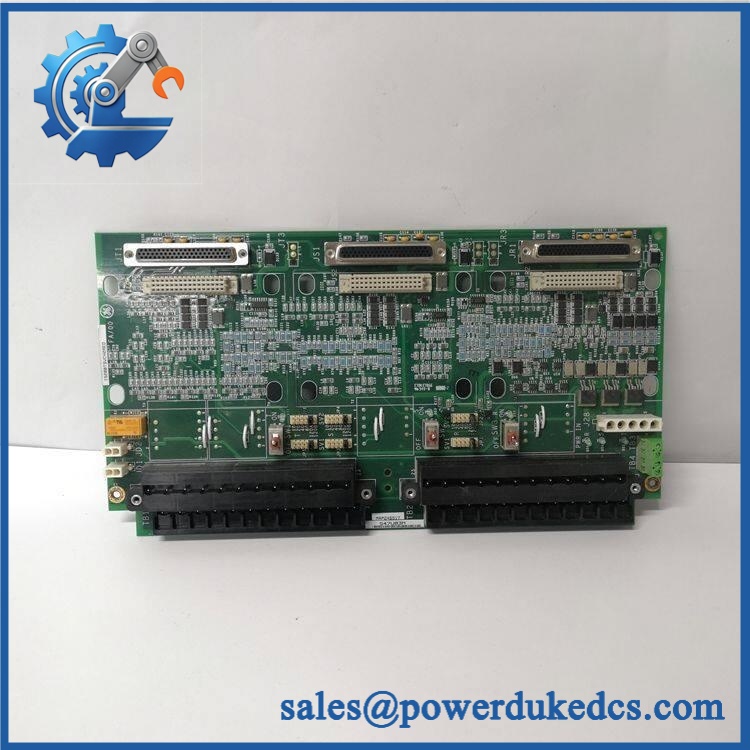
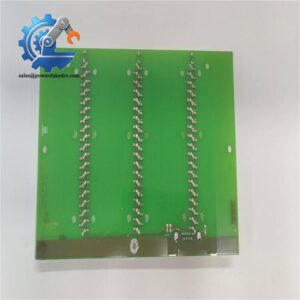
GE IS200TSVCH1AJE
Core Technical Specifications
| Parameter | Value |
|---|---|
| Manufacturer | GE General Electric |
| Part Number | IS200TSVCH1AJE |
| Series | Mark VI Speedtronic |
| Board Family | IS200TSVCH1A |
| Functional Acronym | TSVC / TSVCH |
| Product Type | Servo I/O Terminal Board |
| Servo Control Architecture | PSVO |
| Servo Outputs | 2 servo control loops |
| Servo Coil Current Options | 10, 20, 40, 80, 120 mA |
| LVDT Capacity | Up to 8 windings |
| LVDT Excitation | Multiple excitation sources depending on configuration |
| Pulse-Rate Inputs | 2 |
| Pulse Input Type | Magnetic or TTL |
| Pulse Excitation | 24 VDC sources |
| Servo Feedback | LVDT-based regulator position feedback |
| Primary Application | EHSV / turbine control-valve positioning |
| Associated I/O Pack | PSVO |
| Associated Servo Driver | WSVO |
| Typical Control Supply | 28 VDC architecture |
| Hardware Configuration | Jumper-selected servo coil current in simplex/TMR arrangements |
| Configuration Tool | ToolboxST for associated servo-control parameters |
| Processor | None on the passive terminal board |
| Memory | None as a standalone terminal board |
| Firmware | None on the passive terminal-board function |
| Power Draw | Determined by connected PSVO/WSVO hardware and field circuits |
| Heat Dissipation | Dependent on servo-loop and interface loading |
| Approx. Dimensions | About 13.0 × 7.0 in for the TSVC family |
| Approx. Weight | Not reliably established for the bare board |
| Operating Temperature | Secondary records cite approximately -30°C to +65°C for the family |
| Lifecycle Position | Legacy Mark VI hardware |
GE-related technical documentation states that the TSVC family can excite and monitor eight LVDT windings and that the PSVO performs diagnostics for excessive or missing servo current and out-of-range LVDT feedback.
🚨 Global Compliance & Industry Certifications
- CE Mark: May apply to the complete Mark VI equipment configuration. Do not assign a standalone CE declaration to IS200TSVCH1AJE without revision-specific evidence.
- UL/cUL: Verify the applicable Mark VI cabinet and system certification before making a UL/cUL claim.
- ATEX / IECEx: Do not assume certification for the terminal board alone. GE’s current Mark VIe/Mark VIeS conformity documentation covers specific certified combinations, and certification depends on the complete hardware arrangement.
- Marine Approvals: No revision-specific marine certificate was established for this exact .
- Functional Safety: The board forms part of a turbine servo-control loop. Any SIL or protection claim must be tied to the complete engineered system.
- Electrical Safety: Servo circuits and associated 28 VDC control power can remain energized during maintenance. Follow the cabinet isolation procedure.
- Audit Documentation: Retain the exact part number, revision, associated PSVO/WSVO hardware, serial/date code, supplier COO, test record, and applicable conformity documents.
Verify specific lot certifications with OEM.
🚨 Long-Term Storage & Asset Preservation Guide
Keep the board inside an ESD shielding bag. The TSVC assembly contains sensitive connectors and analog feedback interfaces. Static damage may not be visible at receiving inspection.
Protect every connector and terminal interface. Store the board with its mating connectors protected from dust and mechanical impact. The LVDT and servo-current interfaces are particularly important because damaged contacts can produce symptoms that initially look like a PSVO electronics failure.
Preserve the original jumper configuration. The simplex and TMR arrangements use jumper selections for servo-coil current. Photograph the original settings and store that record with the asset before the board enters long-term stock.
Control warehouse conditions. Use a clean, dry indoor environment, preferably below 60% RH, with sealed packaging and suitable desiccant where appropriate. Avoid ozone-producing equipment, corrosive vapors, condensation, and repeated uncontrolled power cycling.
Physical Installation Prerequisites
- System Match: Verify the host Mark VI architecture and the exact TSVC application.
- PSVO Compatibility: Confirm the associated PSVO I/O pack before installation.
- WSVO Driver: Verify the associated servo driver and heat-sink arrangement.
- Servo Coil Current: Match jumper-selected current to the installed EHSV coil specification.
- LVDT Wiring: Verify all LVDT excitation and feedback conductors, shielding, polarity, and channel assignment.
- Pulse Inputs: Confirm the two pulse-rate channels and whether the sensors are magnetic or TTL.
- Control Power: Verify the required control-voltage architecture before energization.
- Grounding: Follow the Mark VI cabinet grounding and shield-termination arrangement.
- Cooling: Keep the PSVO/WSVO heat-dissipation path clear; do not crowd the surrounding assembly with loose wiring.
- ESD: Use grounded ESD controls whenever handling the terminal board or PSVO pack.
- Service Clearance: Maintain sufficient access for board removal and connector inspection.
- Post-Installation: Verify servo current, LVDT feedback, valve position response, and diagnostic status before returning the control loop to service.
The PSVO performs diagnostics that specifically monitor excessive or non-responsive servo current and out-of-range LVDT feedback, so both sides of the loop should be checked during commissioning.
Buyer’s FAQ
Q1. What HS tariff code should be used for GE ?
Do not classify it simply as a generic PCB. This is a dedicated turbine servo I/O terminal board used with PSVO control hardware. A provisional review may consider headings covering parts of electrical control apparatus, but the final tariff code depends on the importing country’s tariff schedule and the exact commercial description.
For the commercial invoice, use “GE Mark VI Servo I/O Terminal Board” and have the importer or customs broker confirm the final national HS code.
Q2. What Country of Origin should appear on the COO?
Use the actual manufacturing origin of the physical board, supported by its nameplate and supplier traceability. Do not infer origin solely from GE corporate location or a historical listing.
Keep the actual-unit photograph, serial/date-code information, supplier COO declaration, and invoice together for audit purposes.
Q3. Should I insure shipment of ?
Yes, for turbine-critical inventory. Protect the connector blocks, LVDT interface, and servo terminals against impact. Use rigid support inside the carton and prevent the PCB from sliding during transport.
Photograph the board, revision markings, connector side, jumper configuration, and packaging before dispatch.
Q4. Does include the latest firmware pre-loaded?
No. The TSVC is a terminal/interface board rather than the firmware-bearing control processor. Firmware and configuration reside with the associated PSVO/Mark VI control architecture. The board’s physical jumper configuration still requires verification before commissioning.
Q5. Can be replaced with the newer IS230TSVCH1A?
Not as an automatic one-for-one purchase decision. GE’s newer IS230TSVCH1A is associated with the PSVO architecture and a newer DIN-rail implementation, with its own I/O pack and WSVO arrangement. That is a migration path, not a simple terminal-board substitution.
For an existing Mark VI cabinet, match the complete + PSVO + WSVO + LVDT + servo-coil configuration before approving any replacement.



 Start Chat