

Description
- Brand: GE General Electric
- Full Model Number: IS200WETAH1AEC
- System/Series Family: Mark VI / WETA Wind Energy Control
- One-Sentence Core Function: Wind Energy Terminal Assembly providing field-interface, signal-conditioning, protection, and distribution functions within GE turbine control hardware
- Top 3 Hardcore Specs: 7 fuses; 4 transformers; 25+ test points and multiple jumper switches
- Stock Status: New Surplus / Fully Tested Refurbished — exact PCB revision and companion-board configuration verified before shipment
Module 3: Commercial-Technical Deep Dive
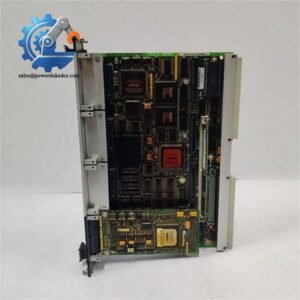
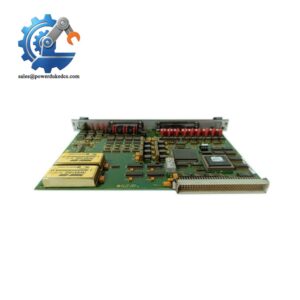
A WETA board failure can interrupt the signal path between turbine field wiring and the Mark VI control architecture, even when the main controller remains operational. The IS200WETAH1AEC is identified as a GE Wind Energy Terminal Assembly used in the Mark VI turbine-control platform. Physical references show a substantial PCB with six terminal strips, seven fuses, four transformers, multiple jumper switches, and more than 25 test points. It also connects to a companion IS210BPPBH2C daughterboard, so the assembly should be identified as a complete hardware combination rather than by the base PCB number alone.
The hardware layout provides useful clues during troubleshooting. Three of the four transformers are grouped together, while another is positioned elsewhere on the PCB; the board also carries more than 100 voltage-regulator devices and over 45 connectors or plugs according to current technical references. That density makes connector mapping and revision control critical. One current source also identifies IS200WETAH1AEC as the underlying WETA board used with the IS210BPPBH2CAA Topbox assembly designated IS215WETAH1BB. This is important when replacing a complete assembly: the companion board and suffix revision must match the installed hardware rather than being selected from the WETA family name alone.
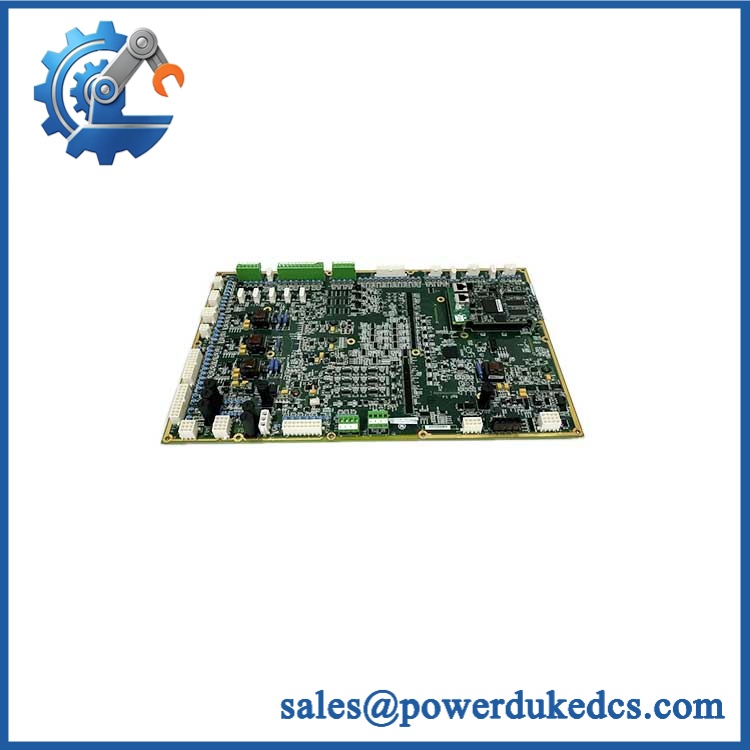
GE IS200WETAH1AEC
Module 4: Compatibility & Installation Traps
Migration/Compatibility
- Replacement status: Configuration-specific replacement within the GE Mark VI WETA hardware family. Do not approve a replacement from the IS200WETAH1A base number alone.
- Companion board: The IS200WETAH1AEC is documented as connecting to an IS210BPPBH2C-family daughterboard. Current references specifically associate it with IS210BPPBH2CAA when used as part of the IS215WETAH1BB assembly.
- Firmware requirement: A PCB replacement does not inherently mean a firmware flash. However, Mark VI application configuration, board revision, connector assignments, and controller diagnostics should be recorded before removal.
- Logic rewrite: Normally not required for a verified like-for-like replacement, but the actual WETA assembly and associated Topbox hardware must be matched before commissioning.
- Revision control: The final suffix AEC is part of the identification. Do not substitute another IS200WETAH1A revision based on physical appearance alone.
⚠️ Field Traps (Watch Out)
- Companion-board mismatch: Installing the correct base WETA PCB with the wrong daughterboard can create an electrically incompatible assembly. Verify the exact IS210BPPBH2C revision and the mechanical connection before installation.
- Fuse and jumper configuration: The board carries seven fuses and multiple jumper switches. Photograph fuse positions, installed jumper settings, and wiring before removal; these are configuration evidence, not cosmetic details.
- Connector density: With more than 45 connectors/plugs and six wiring panels reported on the assembly, connector identification errors are a realistic commissioning risk. Label every disconnected cable before extraction.
- ESD exposure: Use grounded ESD handling, antistatic packaging, and connector protection. Do not place the exposed PCB on ordinary workbench surfaces.
Module 5: Quality Assurance SOP
Our pre-shipment inspection for a GE IS200WETAH1AEC emphasizes exact identity and assembly condition:
- OEM anti-counterfeit visual inspection — verify GE identification, complete IS200WETAH1AEC marking, revision code, serial or barcode labels, PCB artwork, connector population, component layout, and manufacturing markings.
- PCB revision capture — photograph the full board and all secondary identification labels before testing.
- Companion-board verification — confirm whether the supplied board is being used with an IS210BPPBH2C-family daughterboard and record the exact companion revision where present.
- Fuse inspection — identify all seven fuse positions, inspect holders and fuse condition, and record discrepancies before power application.
- Transformer inspection — inspect the four transformer assemblies for physical damage, cracked solder joints, discoloration, or overheating evidence.
- Jumper/configuration record — photograph installed jumper positions and compare them with customer-supplied photographs or the removed board.
- Power-on self-test (POST) — where a compatible GE Mark VI test environment is available, apply the documented test conditions and monitor startup behavior, diagnostics, and abnormal current draw.
- I/O and signal-path verification — check representative input/output paths available on the test setup and compare measured responses against known-good reference values.
- Communication handshake verification — where the board assembly is installed in a compatible Mark VI test rack, verify controller-side communication and expected status exchange.
- Test-point inspection — verify accessible test points for continuity or expected electrical behavior where appropriate; the board is documented with more than 25 test points.
- Configuration record — document board revision, companion-board revision, serial information, test measurements, and photographs.
- Final ESD packaging — use antistatic protection, connector guards, mechanical cushioning, and moisture protection before shipment.
Because the public technical record for this board contains conflicting descriptions from aftermarket sources, the acceptance criterion should be the physical GE board identification plus assembly configuration, not a generic online product title. Current references consistently identify the unit as a WETA/Mark VI board, while more specific sources establish its companion-board relationship.
Module 6: CRO-Driven Buyer FAQ
1. Is the GE IS200WETAH1AEC obsolete, and how do I verify authenticity?
The IS200WETAH1AEC belongs to the legacy GE Mark VI turbine-control hardware family. Authenticity should be established from the PCB markings, AEC revision suffix, serial or barcode information, component population, connector layout, and companion-board arrangement. A photograph of the customer’s installed board is the strongest pre-order reference.
2. Is IS200WETAH1AEC a direct replacement for every IS200WETAH1A board?
No. The base IS200WETAH1A designation is not sufficient to establish interchangeability. GE WETA hardware exists in multiple suffix revisions, and the associated daughterboard can also vary. Match the complete part number and assembly configuration before replacement.
3. Can I hot-swap the IS200WETAH1AEC?
Do not treat this PCB as a routine hot-swappable I/O module. Unless the applicable GE Mark VI documentation for the installed configuration explicitly authorizes energized removal, shut down and isolate the associated equipment under the site’s approved LOTO procedure before handling the board.
4. What daughterboard is associated with IS200WETAH1AEC?
Technical references identify the board as connecting to an IS210BPPBH2C-family daughterboard. Current assembly references specifically pair IS200WETAH1AEC with IS210BPPBH2CAA to form the IS215WETAH1BB WETA + Topbox assembly. Verify the exact installed daughterboard suffix before ordering.
5. What warranty and technical support should I expect?
Warranty duration should be stated on the quotation for the exact physical unit supplied. Technical support should cover part-number verification, revision matching, companion-board identification, connector guidance, configuration review, and documented pre-shipment test results. It should not substitute for turbine-control engineering, electrical safety procedures, or site commissioning.



 Start Chat


