

Description
- Model & Brand: GE IS210WSVOH1AE
- Functional Designation: WSVO
- Product Family: GE Mark VIe / Mark VIeS
- Part Type: Servo Driver Assembly / Servo Driver Heatsink Assembly
- Primary Function: Provides the servo-current regulation and power-interface hardware associated with the Mark VIe PSVO servo-control architecture.
- Associated Terminal Board: IS200TSVCH2A
- Associated I/O Pack: IS220PSVOH1A / IS220PSVOH1B, depending on system generation.
- Input Supply: 28 VDC nominal P28 supply
- Internal Supply Conversion: P28 input converted to approximately +15 VDC / −15 VDC for servo-driver circuitry.
- Servo Current Regulation: Two servo-current regulators are identified in the assembly.
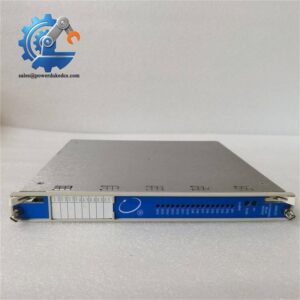
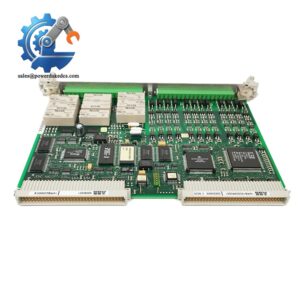
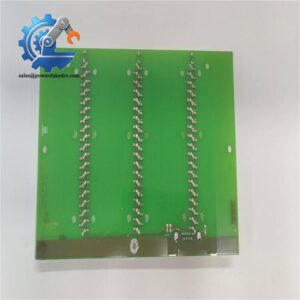
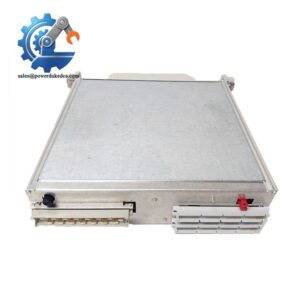
- Physical Construction: Metal mounting backplane with conformally coated functional PCB and heatsink/power components.
- Approx. Dimensions: Approximately 330 × 100 × 200 mm from secondary inventory data; verify the physical assembly before freight master-data entry.
- Estimated Net Weight: Approximately 2 kg from current secondary records.
- Estimated Shipping Weight: Approximately 2.5–3.0 kg with ESD protection, rigid cushioning, and export packaging.
- What’s in the Box: IS210WSVOH1AE assembly unless the purchase order specifically includes the IS220PSVO I/O pack, IS200TSVCH2A terminal board, mounting hardware, or cables.
- Receiving Note: Verify whether the supplied unit is marked IS210WSVOH1AE and whether it is supplied as the complete heatsink/driver assembly rather than only the underlying IS200WSVOH1A PCB.
GE’s own Mark VIe hazardous-location documentation identifies IS210WSVOH1A as the accessory servo-driver board used with the IS220PSVOH1B and IS200TSVCH2A terminal board. The exact H1AE suffix should therefore remain under revision-controlled inventory.
Product Introduction
The GE IS210WSVOH1AE sits between the Mark VIe PSVO I/O pack and the servo-valve termination circuitry, providing the current-regulation and power-conversion hardware needed for turbine servo control. The assembly includes the IS200WSVOH1A functional board, two servo-current regulators, a metal mounting backplane, and an internal supply that converts the P28 source into positive and negative 15 VDC rails.
This part is configuration-specific. GE’s certified Mark VIe architecture identifies the WSVO board with the IS220PSVOH1B and IS200TSVCH2A combination, while newer RoHS configurations use the IS410WSVOH1A accessory with the corresponding PSVO hardware. The distinction matters during lifecycle migration because the older WSVO assembly should not be treated as a universal servo-driver replacement.
Core Technical Specifications
| Parameter | Value |
|---|---|
| Manufacturer | General Electric |
| Product Family | Mark VIe / Mark VIeS |
| Model | IS210WSVOH1AE |
| Functional Acronym | WSVO |
| Product Type | Servo Driver Assembly |
| Associated PCB | IS200WSVOH1A |
| Typical I/O Pack | IS220PSVOH1A / IS220PSVOH1B |
| Associated Terminal Board | IS200TSVCH2A |
| Input Supply | 28 VDC nominal P28 |
| Internal Supply | Approximately +15 VDC / −15 VDC |
| Servo Current Regulators | 2 |
| Servo Driver Function | Servo-valve current regulation |
| Mounting Structure | Metal backplane / heatsink assembly |
| PCB Coating | Conformal coating |
| Servo Architecture | Mark VIe PSVO |
| Hazardous-Location Association | Supported within specified certified Mark VIe configuration |
| Approx. Dimensions | 330 × 100 × 200 mm, secondary-source figure |
| Approx. Net Weight | 2 kg, secondary-source figure |
| Estimated Shipping Weight | 2.5–3.0 kg |
| Standalone Firmware | None |
| Lifecycle Position | Legacy / Limited Availability |
For certified Mark VIe servo applications, GE specifies 28.0 VDC nominal for the PSVO system and identifies the servo-driver board as part of the associated servo-control assembly. The current-generation technical instruction also specifies servo outputs up to ±120 mA, although those ratings belong to the complete PSVO/servo-driver architecture rather than being treated as a standalone WSVO board specification.
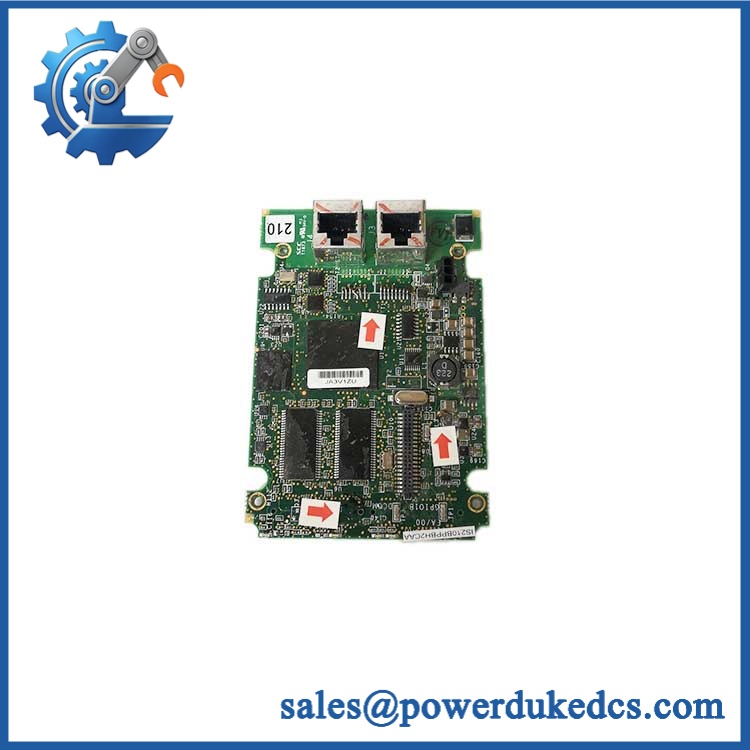
GE IS210WSVOH1AE
Global Compliance & Industry Certifications
The IS210WSVOH1AE has unusually important certification context because GE documents the WSVO board as part of a Mark VIe servo-control assembly approved for hazardous-location applications.
- CE Mark: Verify the applicable Mark VIe Declaration of Conformity and exact hardware configuration before recording CE status for a loose WSVO assembly.
- UL/cUL: Do not claim standalone UL/cUL Listing unless the certificate explicitly covers the supplied configuration.
- ATEX: GE’s current ATEX documentation identifies the IS220PSVOH1B + IS200TSVCH2A + IS210WSVOH1A combination as a certified Mark VIe servo-control arrangement.
- IECEx: GE’s IECEx certificate also identifies the IS220PSVOH1B + + IS210WSVOH1A combination for the applicable hazardous-location architecture.
- Hazardous Location: The documented certification includes Ex ic nA IIC T4 Gc for the applicable Mark VIe servo-control configuration. This is a system configuration qualification, not permission to use an unverified loose board in any hazardous area.
- Marine / DNV: No standalone DNV approval was established for .
- Functional Safety: The servo assembly participates in turbine control, but hazardous-area certification and functional-safety certification are separate claims.
The ATEX/IECEx distinction is critical for plant safety. An Ex-certified servo architecture controls ignition risk only when the specified certified hardware combination, installation method, and environmental conditions are maintained.
Verify specific lot certifications with OEM.
Long-Term Storage & Asset Preservation Guide
Keep the WSVO assembly in an ESD-safe moisture barrier bag. Its large metal heatsink and backplane protect the electronics mechanically, but the connector interfaces and conformally coated PCB remain susceptible to contamination and oxidation.
Maintain warehouse humidity below 60% RH where practical. The target is for long-term preservation, not the maximum operating limit. Avoid storage near corrosive atmospheres, battery charging rooms, chlorine systems, or steam leaks.
Protect the heatsink and mounting backplane during freight. Do not allow the package to rest directly on the heatsink fins or connector structures. Use rigid perimeter cushioning so impact loads are transferred through the packaging rather than the board assembly.
Keep the associated configuration record attached to the spare. Record , associated IS200WSVOH1A board identity, and intended PSVO/TSVCH application. This prevents an apparently compatible servo spare from being issued to an unrelated configuration.
Physical Installation Prerequisites
The is a servo-driver assembly with a metal mounting backplane, not a conventional DIN-rail I/O module. Secondary installation records identify the metal backplane as the mounting structure, while GE’s certification documents define the assembly as an accessory to the PSVO servo-control module.
Mechanical compatibility: Confirm the mating terminal board and PSVO I/O pack before installation. Do not force the assembly into another Mark VIe servo architecture.
Power: The associated PSVO architecture uses 28 VDC nominal control power. Verify the actual source, polarity, protection, and cable arrangement against the Mark VIe installation drawing before energization.
Cooling: Preserve the original heatsink airflow. Do not cover the metal heat-dissipation surfaces or place adjacent heat-generating equipment directly against the assembly.
Clearance: Do not impose an arbitrary 50 mm clearance around the assembly. Maintain the cabinet’s engineered mechanical and airflow envelope and sufficient room for connector removal.
Servo wiring: Verify the servo-valve coil resistance and required current range before energizing. The complete PSVO architecture can support servo outputs up to ±120 mA, but the actual valve/application configuration must determine the correct operating limits.
Grounding: The metal mounting backplane must remain properly bonded to the Mark VIe protective-ground system. Preserve the original shield and grounding arrangement.
Hazardous areas: Where the assembly is being used under ATEX/IECEx conditions, maintain the exact certified combination and installation conditions. Substituting a different revision or associated terminal board can invalidate the certification basis.
Buyer’s FAQ — Logistics & Compliance Focus
Q: What HS Tariff Code should be used for ?
A: A classification under HS 8538.90 may be considered because the WSVO is a specialized module used with electrical control equipment. The final national tariff code must be validated against the destination tariff schedule and the actual customs description. For the commercial invoice, describe it as a GE Mark VIe servo driver assembly rather than simply “PCB.”
Q: What Country of Origin should I declare?
A: Use the actual manufacturing origin supported by the physical nameplate or GE traceability documents. Do not substitute the seller’s warehouse country. Retain the nameplate photograph, serial/lot information, COO statement, invoice, and packing list together.
Q: Should I insure an international shipment of one WSVO assembly?
A: Yes when the unit supports a production-critical turbine servo system. At approximately 2 kg net, the assembly is manageable to package, but its replacement cost and downtime exposure can be substantial. Protect the heatsink, backplane, and connectors with rigid cushioning, use ESD protection and tracking, and insure the shipment for its documented replacement value.
Q: Does include the latest firmware pre-loaded?
A: No. The WSVO is a servo-driver hardware assembly, not the programmable PSVO I/O processor. Firmware and application configuration reside with the associated I/O/control architecture. The important compatibility checks are the PSVO hardware generation, terminal-board revision, servo application, and applicable Mark VIe software environment.
Q: Is interchangeable with IS410WSVOH1A?
A: Do not treat them as unconditional substitutes. GE’s certification documentation distinguishes the older IS210WSVOH1A accessory from the newer IS410WSVOH1A used with RoHS-compliant PSVO configurations. The complete I/O pack and terminal-board combination must be checked before migration.




 Start Chat