

Description
- Brand: GE
- Full Model Number: IS215UCCCS05A
- System/Series Family: Mark VIeS / Mark VIe Safety Control
- One-Sentence Core Function: CPCI-based UCCC safety controller for executing safety-related logic within GE Mark VIeS turbine-control architectures
- Top 3 Hardcore Specs: Mark VIeS UCCC safety controller; 24 VDC control environment; IEC 61508 safety-certified hardware/firmware revisions
- Controller Type: UCCC Safety Controller
- Form Factor: CompactPCI
- Primary Role: Safety control / safety instrumented functions
- Platform: GE Mark VIeS
- Software Environment: GE safety-control application environment
- Communication: Mark VIeS control and I/O network architecture
- Certified Firmware Revisions: V03.02.03C, V03.02.04C, V03.02.07C documented in the cited IEC 61508 assessment
- Safety Standard: IEC 61508 assessment applicable to documented configurations
- Associated Hardware: Mark VIeS safety-control rack / CPCI architecture
- Stock Status: New Surplus / Fully Tested Refurbished subject to availability
GE safety-system documentation identifies IS215UCCCS05A as a Mark VIeS Controller (UCCC), and an IEC 61508 assessment specifically lists this model with firmware versions V03.02.03C, V03.02.04C, and V03.02.07C within the assessed configuration. Field inventories also identify it as a CPCI Mark VI controller, safety.
Module 3: Commercial-Technical Deep Dive
A failure of the IS215UCCCS05A is a safety-system event, not merely a conventional CPU replacement. This UCCC board is identified as the Mark VIeS safety controller, providing the processing platform for safety-related control functions within GE’s turbine-control architecture. Unlike a standard Mark VIe controller, the UCCC is associated with the Mark VIeS safety platform, where hardware and firmware configuration are subject to defined safety requirements. The published IEC 61508 assessment specifically includes IS215UCCCS05A and identifies validated firmware revisions, giving procurement teams a much stronger traceability point than a generic “Mark VI controller” description.
The critical replacement advantage is preservation of the existing safety architecture rather than simply restoring processor operation. The board is a CPCI-based controller, and field records identify it specifically as the safety version of the UCCC platform. Available secondary listings often add processor, memory, temperature, and interface specifications that are not sufficiently corroborated by authoritative safety documentation; those values should therefore not be used as design limits without the applicable GE manual or safety certificate. For a safety-controller spare, the decisive checks are exact part number, hardware revision, certified firmware compatibility, rack architecture, application configuration, and post-replacement safety validation.
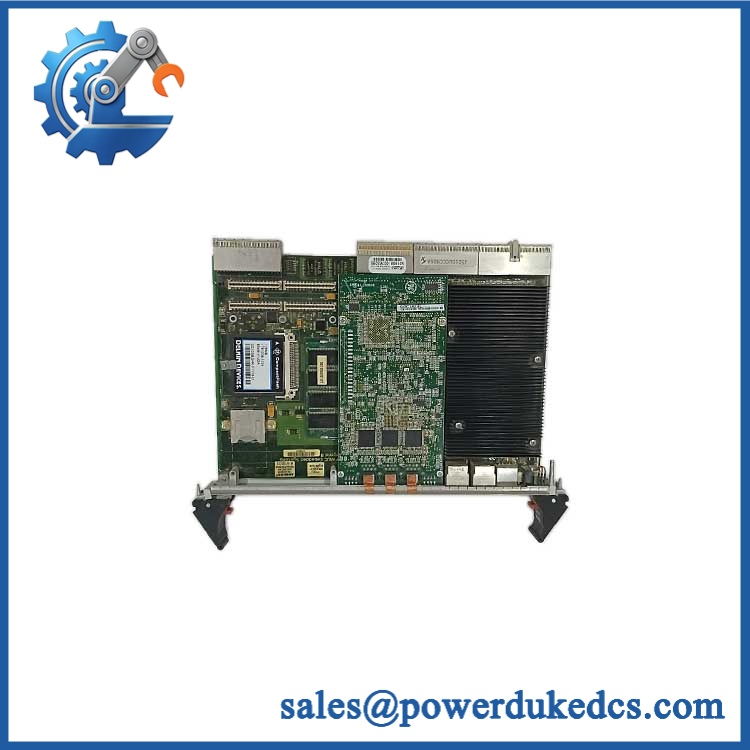
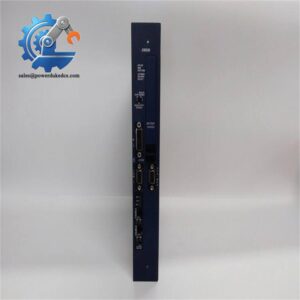
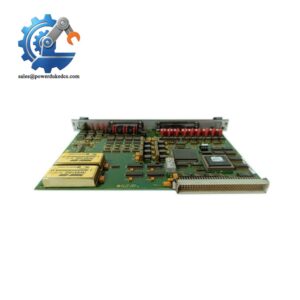
GE IS215UCCCS05A
Module 4: Compatibility & Installation Traps
Migration/Compatibility
- System: GE Mark VIeS safety control system
- Controller Family: UCCC
- Full Model: IS215UCCCS05A
- Hardware Architecture: CompactPCI
- Functional Role: Safety controller
- Safety Framework: IEC 61508 assessed configuration
- Documented Firmware Revisions: V03.02.03C, V03.02.04C, V03.02.07C
- Supply Environment: 24 VDC control system
- Replacement Type: Exact IS215UCCCS05A hardware and revision match strongly preferred
- Firmware: Must match the approved Mark VIeS application and safety-certified configuration
- Configuration: Preserve safety application, controller identity, I/O assignments, diagnostics, and safety parameters
- Logic Rewrite: Normally not required for a like-for-like replacement, but controlled application restoration and formal safety acceptance are required
- Safety Validation: Required after replacement where the controller forms part of a certified safety function
⚠️ Field Traps (Watch Out)
1. Do not treat this as an ordinary Mark VIe CPU replacement.
The is identified as a Mark VIeS safety controller, and its assessed firmware revisions are specifically documented in an IEC 61508 assessment. Hardware and firmware must therefore be treated as a controlled safety configuration.
2. Firmware revision is a procurement parameter.
The cited safety assessment lists V03.02.03C, V03.02.04C, and V03.02.07C for . Do not assume that any firmware version installed on a visually identical UCCC board is automatically suitable for the customer’s certified safety application.
3. Preserve the safety application and configuration before removal.
A replacement controller can initialize correctly while still lacking the exact safety project, controller identity, or configuration required by the installed system. Backup and controlled restoration are essential.
4. Do not substitute a standard UCCC for the safety UCCC.
Field inventories distinguish as the safety controller from other UCCC/Mark VI controller variants such as the general-purpose IS215UCCCM04A family. The application role is different, even when the board form factor is similar.
5. Do not close the maintenance event with a simple power-up test.
A safety controller replacement requires verification of diagnostics, I/O behavior, safety logic execution, fault handling, and the applicable safety function before the equipment is returned to service.
Module 5: Quality Assurance SOP
Each available GE should undergo a controlled safety-controller inspection and functional verification process before shipment:
- OEM anti-counterfeit visual inspection: Verify GE identification, complete catalog number, UCCC designation, CPCI connector arrangement, board labels, and manufacturing identifiers.
- Revision verification: Record hardware revision, firmware revision where accessible, and all traceability markings.
- Safety configuration check: Confirm whether the unit carries one of the firmware revisions documented in the applicable IEC 61508 assessment or determine the exact customer-approved revision before shipment.
- Mechanical inspection: Check the CPCI connector, mounting hardware, board edges, locking/extraction features, and enclosure surfaces.
- PCB condition inspection: Examine for corrosion, contamination, thermal discoloration, cracked components, damaged traces, and previous repair evidence.
- Power-rail precheck: Perform controlled resistance and continuity checks before applying the 24 VDC test supply.
- Power-on self-test (POST): Energize the controller in an approved Mark VIeS test environment and verify normal initialization and diagnostic status.
- Controller identity verification: Confirm the board reports the expected UCCC hardware identity and revision.
- Firmware verification: Record the installed firmware version and compare it with the required safety configuration.
- Application-load verification: Load an approved test or customer-authorized safety application image and verify successful initialization.
- Safety I/O handshake verification: Connect the controller to an appropriate Mark VIeS safety test environment and confirm communication with representative safety I/O hardware.
- Diagnostic test: Introduce controlled communication, I/O, or controller faults and verify the expected diagnostic response.
- Safety-logic execution test: Execute an approved test sequence covering representative safety logic and interlock functions without connecting uncontrolled production equipment.
- Fail-state verification: Verify the expected safe-state behavior for representative input and communication faults.
- Redundancy verification: Where the installed safety architecture uses redundant controllers, confirm the applicable controller role and synchronization behavior in the controlled test environment.
- Configuration integrity check: Compare key application and safety parameters against the approved baseline before final QC release.
- Final QC record: Record exact catalog number, hardware revision, firmware version, test application, diagnostic results, I/O test results, safety-function test results, and technician sign-off.
- ESD-safe packaging: Package the controller in ESD-protective material with rigid protection around CPCI connectors and PCB edges.
For this product, the quality record should explicitly separate hardware inspection, firmware verification, functional testing, and safety validation. “Power tested” alone is not sufficient evidence for a safety controller.
Module 6: CRO-Driven Buyer FAQ
What is GE ?
GE is the UCCC safety controller used in the Mark VIeS safety-control platform. It is a CompactPCI-based controller associated with safety-related control functions in GE turbine systems. An IEC 61508 assessment specifically identifies this model and its assessed firmware revisions.
Is the same as the standard Mark VI UCCC controller?
No. The is specifically identified as the Mark VIeS safety controller, while standard UCCC/Mark VI controller variants have different application roles. Do not substitute based solely on the UCCC family name.
Which firmware versions are documented for ?
The cited IEC 61508 assessment lists V03.02.03C, V03.02.04C, and V03.02.07C for the Mark VIeS controller. The correct version for a replacement depends on the installed certified application and should be confirmed before shipment.
Can I replace without changing the safety logic?
A genuine like-for-like hardware replacement does not inherently require rewriting the safety application. It does require controlled restoration of the approved application/configuration and formal verification that the safety functions, diagnostics, I/O behavior, and fault responses remain correct.
Can the be replaced while the system is powered?
Do not assume live replacement is permitted. A safety controller is part of the certified control path, so the replacement procedure must follow the applicable GE Mark VIeS maintenance process, plant energy-control requirements, and safety validation procedure.
What should I verify before ordering ?
Confirm the complete part number, hardware revision, required firmware revision, Mark VIeS rack architecture, installed safety application, I/O configuration, and controller role. For a certified system, firmware and application compatibility should be confirmed before the spare is released for installation.
What warranty and technical support should I expect?
Warranty duration should be stated for the exact unit condition and test status on the quotation. Technical support should cover part-number verification, hardware/firmware matching, Mark VIeS compatibility review, configuration restoration guidance, diagnostic testing, and documented functional-test results. Safety validation, application engineering, and production commissioning should be treated separately unless explicitly included.


 Start Chat