

Description
- Brand: GE Wind / PCH Engineering
- Full Model Number: PCH1026 / CHF861016
- System/Series Family: PCH 1026 FlexMON Wind Turbine Structural Vibration Monitor
- One-Sentence Core Function: Digital structural-vibration monitor for wind turbines with configurable vibration measurement, alarm processing, analog outputs, and industrial communications
- Top 3 Hardcore Specs: Up to 4 sensors; 4 × 4–20 mA outputs; 18–30 VDC power input
- Stock Status: New Surplus / Fully Tested Refurbished — exact CHF configuration and hardware revision verified before shipment
Module 3: Commercial-Technical Deep Dive
A turbine vibration alarm is only useful when the monitor matches the machine’s original sensor configuration and trip thresholds. The PCH1026 / CHF861016 is a customized PCH 1026 FlexMON digital structural-vibration monitor associated with wind-turbine applications. PCH Engineering’s documentation states that the monitor can handle up to four sensors, using internal accelerometers plus optional external accelerometers, velocity sensors, or proximity probes. Measured vibration is compared against programmed Alert and Danger levels, with internal relay outputs available for alarm actions such as turbine shutdown. The manufacturer also identifies PCH 1026 as a dedicated wind-turbine structural monitor.
The CHF861016 suffix is not simply a cosmetic identifier. PCH documentation explains that each pre-configured PCH 1026 Mk2 carries a four-digit CHF configuration number tied to its customer-specific setup. That setup can include sensor assignment, alarm thresholds, relay behavior, and other machine-specific parameters. The Mk2 uses a digital architecture, supports four 4–20 mA outputs, and can communicate through RS-232/RS-485 Modbus plus optional industrial buses such as CANopen, PROFIBUS, DeviceNet, and others depending on the installed interface. The standard operating temperature is -20 to +50°C; special cold-environment versions extend this to -30 to +60°C.
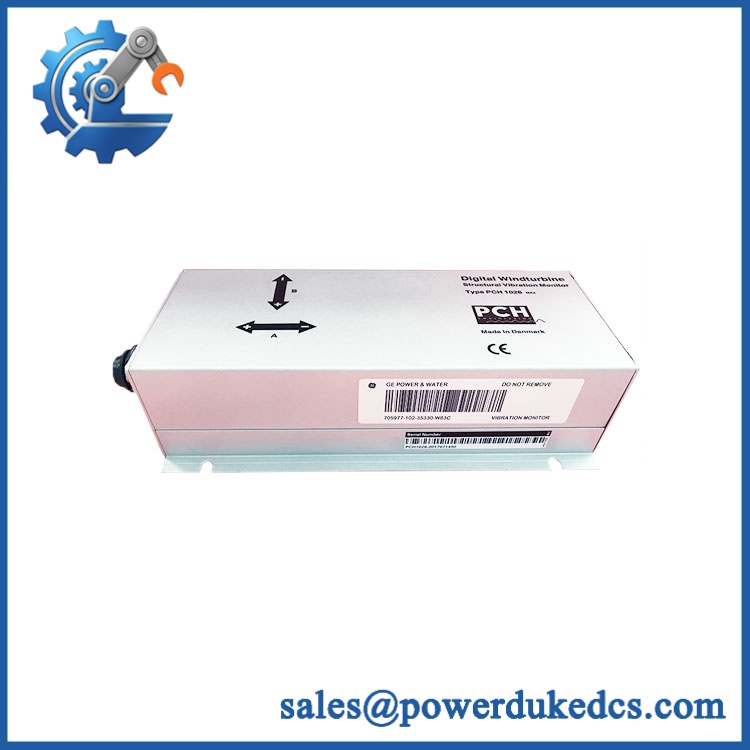
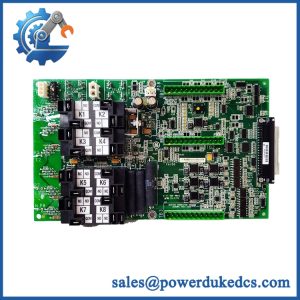
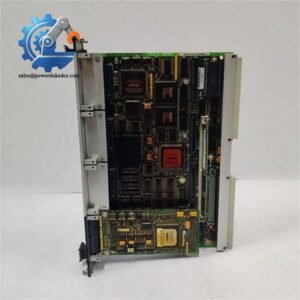
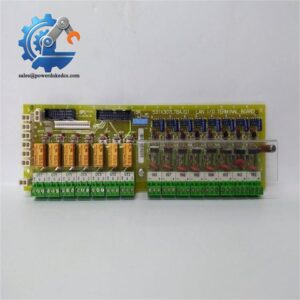
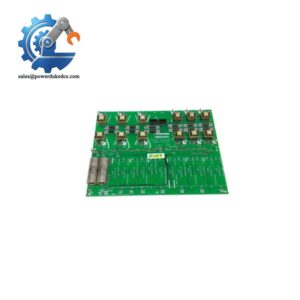
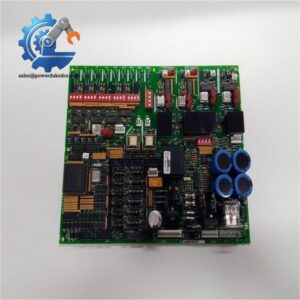
GE PCH1026 CHF861016
Module 4: Compatibility & Installation Traps
Migration/Compatibility
- Replacement status: Configuration-specific PCH 1026 FlexMON structural-vibration monitor.
- Manufacturer relationship: The PCH 1026 is manufactured by PCH Engineering A/S; GE Wind used the monitor extensively in wind-turbine applications. Treat GE/PCH as the installed-system identification rather than assuming GE manufactured the monitor itself.
- CHF configuration: CHF861016 identifies a particular customer configuration. It should be matched when replacing an installed monitor because sensor assignments, alarms, and relay functions can be configuration-dependent.
- Firmware requirement: Mk1 and Mk2 are materially different internally. PCH states that CHT 1024 version 3.35 or higher is required for Mk2 configuration and service.
- Logic rewrite: Normally not required for an exact configuration replacement, but the sensor setup, alarm parameters, relay mapping, and communications configuration must be restored and validated.
- Sensor compatibility: Verify the exact installed sensor complement before replacement. The monitor supports up to four total sensors, and external transducers can require different input circuitry.
⚠️ Field Traps (Watch Out)
- CHF mismatch: Installing a generic PCH 1026 without matching the CHF861016 configuration can leave the monitor functional but incorrectly configured for the turbine.
- Mk1 versus Mk2: PCH states that Mk1 and Mk2 have materially different internal hardware and firmware. Do not treat the two generations as electrically identical.
- RS-485 termination: The PCH 1026 Mk2 includes an internal 120 Ω termination resistor that can be activated through the specified RS-485 connector pins. Incorrect termination can destabilize the communication network.
- 4–20 mA mapping: The main I/O connector provides four 4–20 mA outputs. Verify which vibration measurement is assigned to each output before reconnecting the DCS/SCADA wiring.
- Alarm relay mapping: Up to four internal alarm relays can be installed depending on the customer specification. Do not assume Relay 1 through Relay 4 have identical functions across different CHF configurations.
Module 5: Quality Assurance SOP
Our pre-shipment inspection for a GE/PCH PCH1026 CHF861016 focuses on configuration identity, sensor interfaces, alarm logic, and communications:
- OEM anti-counterfeit visual inspection — verify PCH 1026 markings, manufacturer labels, CHF configuration marking, serial number, enclosure condition, connectors, and PCB identification.
- CHF configuration capture — photograph the CHF861016 identifier and all secondary configuration markings before testing.
- Mk1/Mk2 identification — confirm the hardware generation from the enclosure marking and serial information; do not mix Mk1 and Mk2 test procedures.
- Sensor-interface inspection — inspect internal and external sensor connectors, cable sockets, and input circuitry for contamination, corrosion, mechanical damage, or loose contacts.
- Power-input verification — confirm the test setup supplies the documented 18–30 VDC input range.
- Power-on self-test (POST) — energize the monitor under controlled conditions and observe startup, watchdog behavior, status indication, and abnormal current draw.
- Sensor-channel test — simulate or connect approved accelerometer inputs and verify measurement acquisition on each configured channel.
- Vibration measurement verification — check RMS, peak, or peak-to-peak measurement behavior against the applicable configuration and test signal.
- 4–20 mA output verification — test each installed analog output and confirm current response against the configured measurement mapping.
- Alarm relay verification — exercise representative Alert and Danger conditions and verify the configured relay outputs operate according to the CHF configuration.
- System-failure relay test — verify the system-error path under a controlled simulated fault where the test environment permits.
- Communication handshake verification — establish RS-232/RS-485 Modbus communication and verify correct monitor addressing and data exchange.
- Optional fieldbus verification — where installed, test the relevant CANopen, PROFIBUS, DeviceNet, InterBUS, or other interface against the actual hardware configuration.
- Extended observation — monitor sensor readings, alarm state, analog outputs, communication stability, and enclosure temperature during controlled operation.
- Configuration record — document CHF number, Mk1/Mk2 generation, serial number, sensor configuration, software compatibility, alarm parameters, I/O mapping, and test results.
- Final ESD and packaging inspection — protect the monitor, connectors, and sensor interfaces against ESD, moisture, dust, and mechanical impact.
PCH’s own documentation makes configuration traceability particularly important: the CHF number identifies the unique customer setup, and changing a factory-authorized configuration can affect the monitor’s factory setup authorization status.
Module 6: CRO-Driven Buyer FAQ
1. Is PCH1026 a GE product?
The monitor is manufactured by PCH Engineering A/S, while GE Wind used PCH 1026 monitors extensively in wind-turbine applications. The most accurate procurement description is therefore GE Wind / PCH Engineering PCH1026 , with PCH Engineering as the equipment manufacturer.
2. What does mean?
The identifier represents a customer-specific configuration. PCH’s manual explains that the CHF number identifies the unique setup of a PCH 1026 Mk2, including configuration parameters agreed between the manufacturer and turbine customer. This can affect sensor assignments, alarm thresholds, relay behavior, and other settings.
3. Can a generic PCH 1026 replace ?
Not safely without configuration verification. The PCH 1026 platform is reconfigurable, but the installed CHF configuration determines how the monitor behaves in the turbine system. The replacement should therefore be matched to and the original machine configuration before commissioning.
4. Can PCH1026 be hot-swapped?
Do not assume live replacement is permitted. This monitor can operate alarm relays and safety-related shutdown functions, so removal may interrupt a turbine’s vibration-protection chain. Follow the turbine manufacturer’s maintenance procedure, isolate the required power, and apply the site’s approved LOTO process before replacement.
5. What communication interfaces are available?
The PCH 1026 platform supports RS-232/RS-485 Modbus and can be equipped with optional industrial communication interfaces including CANopen, PROFIBUS, DeviceNet, InterBUS, and other fieldbus options. The exact interface depends on the installed hardware configuration.
6. What warranty and technical support should I expect?
Warranty duration should be stated on the quotation for the exact physical unit supplied. Technical support should cover CHF configuration identification, Mk1/Mk2 verification, sensor mapping, alarm and relay checks, communication testing, and documented pre-shipment test results. It should not substitute for turbine safety validation, vibration-protection engineering, or final commissioning by qualified personnel.



 Start Chat