

Description
- Brand: GE
- Full Model Number: QPJ-SBR-201
- System/Series Family: GE Industrial Control / Circuit Breaker Hardware
- Core Function: Circuit breaker module used for electrical switching and protection-system integration
- Top 3 Hardcore Specs: QPJ-SBR series; SBR-201 configuration; Circuit breaker module
- Stock Status: New Surplus — exact breaker rating and hardware configuration to be confirmed
The GE QPJ-SBR-201 is identified in available industrial parts references as a circuit breaker module. The exact electrical rating, pole configuration, trip characteristics, voltage class, and mounting arrangement are not sufficiently documented in the publicly accessible technical material I could verify.
Module 3: Technical Product Introduction
A circuit-breaker component should be matched by its complete part number and electrical characteristics, not by appearance alone. The GE QPJ-SBR-201 is listed as a GE circuit breaker module, but available references do not provide enough authoritative information to safely assign a voltage rating, current rating, interrupting capacity, pole count, or trip curve to this exact configuration.
For procurement, QPJ-SBR-201 should therefore remain the primary identification reference until the original nameplate, breaker body marking, or equipment drawing confirms the electrical specification. Do not infer a 125 A, 240 VAC, three-pole, or other rating from the QPJ designation alone. The actual installation requirements take precedence.
Module 4: Application Scenarios & Field Realities
- Inside a legacy GE control cabinet, the QPJ-SBR-201 may serve as part of the equipment’s circuit-protection and switching arrangement. Confirm the upstream and downstream circuit design before selecting a replacement.
- During a control-panel refurbishment, photograph the original breaker from multiple angles and record every marking on the breaker body, terminal area, and mounting assembly. Secondary markings can identify an electrical variant that the basic QPJ- number does not reveal.
- If the original breaker has nuisance-tripped, inspect the connected load, short-circuit history, wiring insulation, and upstream protection before installing another unit. Replacing the breaker without identifying the initiating fault can simply reproduce the trip condition.
- For an obsolete-control-system repair, compare the replacement’s physical mounting, terminal arrangement, voltage rating, current rating, and interrupting capacity with the existing device. Physical fit alone is not sufficient for a circuit-breaker substitution.
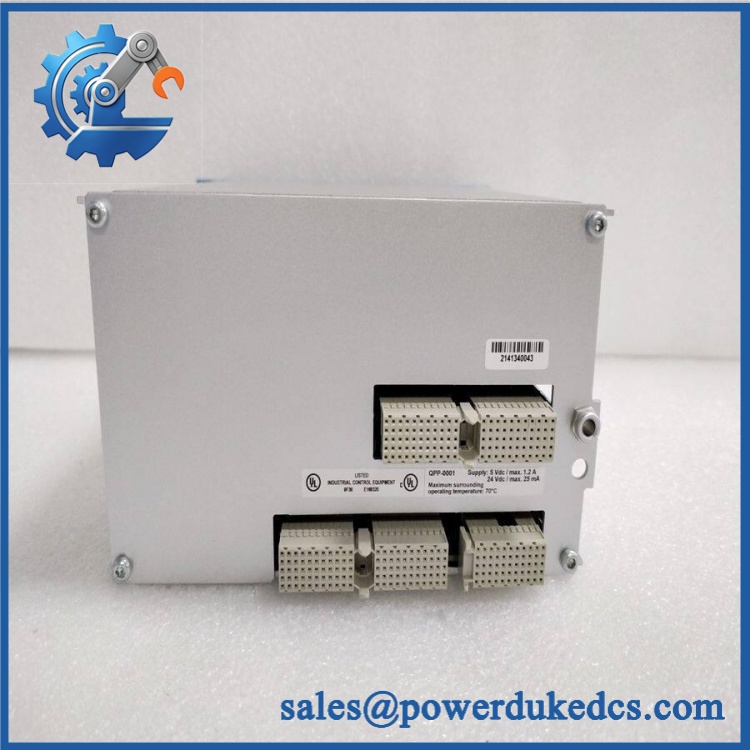
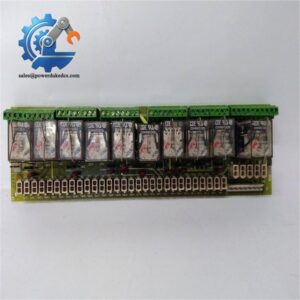
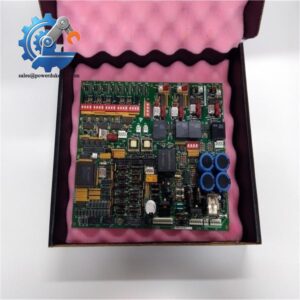
GE QPJ-SBR-201
Module 5: Migration, Compatibility & Installation Traps
Replacement Matrix
| Replacement Type | QPJ- Assessment | Engineering Requirement |
|---|---|---|
| Drop-in Replacement | Potentially yes for an exact part-number match | Verify complete marking, electrical rating, mounting, and terminal arrangement |
| Software Compatible | Not applicable | No software compatibility should be assumed for the breaker itself |
| Hardware Modification Required | Potentially for an alternate breaker | Required if electrical or mechanical specifications differ |
Field Trap 1 — Electrical rating must be verified:
The publicly available identification confirms the QPJ- as a circuit breaker module but does not establish the exact voltage, current, interrupting capacity, or trip characteristics. Do not release an alternative based solely on matching dimensions.
Field Trap 2 — Upstream protection coordination:
Check the breaker against the existing protection coordination study. A replacement with different instantaneous or thermal-magnetic characteristics can alter selectivity and clearing time, even when it physically fits the same mounting position.
Installation note: De-energize and lock out the associated circuit before installation. Verify absence of voltage with an appropriate meter, confirm terminal identification, and follow the equipment manufacturer’s torque requirements. If the breaker is part of a larger protection assembly, inspect the complete circuit before re-energization.
Module 6: Quality Assurance SOP
- OEM identification inspection — Verify , all secondary labels, manufacturing marks, and available serial or date codes.
- Physical inspection — Examine the breaker housing, terminals, mounting points, actuator, insulation surfaces, and mechanical mechanism for cracks, contamination, corrosion, or impact damage.
- OEM anti-counterfeit visual inspection — Compare GE markings, molded identification, label construction, terminal arrangement, mechanical geometry, and manufacturing details against authenticated reference hardware.
- Electrical-rating verification — Confirm the actual voltage, current, pole count, interrupting rating, and trip characteristics from the original equipment documentation or the physical nameplate before functional testing.
- Mechanical operation test — Operate the breaker mechanism through controlled ON/OFF cycles and verify positive mechanical engagement and release.
- Continuity verification — With the breaker safely isolated, measure contact continuity in the closed state and confirm the expected open-circuit condition when released.
- Trip-function verification — Where the breaker design permits testing, verify the applicable trip mechanism using the correct calibrated test equipment and manufacturer’s procedure.
- Terminal inspection — Check terminal integrity, contact surfaces, insulation clearance, and mechanical fastening. No loose or damaged connection should pass final inspection.
- Protection-coordination check — Compare the verified electrical characteristics against the customer’s existing protection requirements before approving the part as a replacement.
- Final traceability record — Photograph all identification markings, document the physical condition and test results, and package the component to prevent terminal and actuator damage during shipment.
Procurement note: The is verifiably identified as a circuit breaker module, but the publicly accessible sources do not provide enough reliable technical data to state its exact electrical ratings. For a production replacement, the original nameplate or equipment drawing should be used to confirm the complete electrical specification before installation.


 Start Chat