

Description
- Brand: GE
- Full Model Number: VME7768-320000
- System/Series Family: GE VME / VMEbus Embedded Computing
- Core Function: VMEbus single-board computer and embedded processor module for industrial control and computing systems
- Top 3 Hardcore Specs: VMEbus architecture | 6U VME form factor | PowerPC processor platform
- Board Type: Single-board computer / embedded processor
- Backplane Interface: VMEbus
- Memory / Storage: Configuration-dependent — verify installed hardware revision
- Operating System: Application-dependent — verify customer configuration
- Stock Status: New Surplus — exact revision and packaging condition to be verified before shipment
Technical Product Introduction
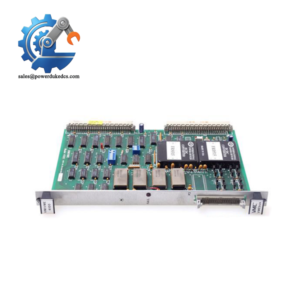
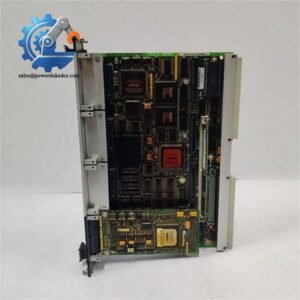
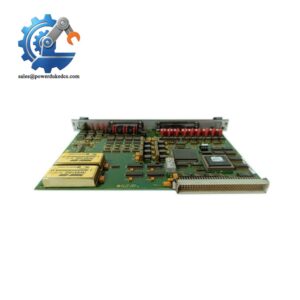
When a legacy VME control system loses its processor board, the replacement is not simply a matter of matching a CPU speed. The GE VME7768-320000 is part of GE’s VME-based embedded computing hardware, designed around the 6U VMEbus single-board computer architecture. In a typical system, the processor board occupies a VME backplane slot and provides the computing resources required by the application, while other VME cards handle I/O, communication, acquisition, or dedicated control functions.
For replacement planning, the VMEbus interface and exact board configuration are the critical starting points. The VME7768 family includes hardware configurations that can differ in processor, memory, storage, I/O, and firmware characteristics, so the suffix -320000 should be matched exactly against the installed board. Publicly indexed information does not provide enough consistent evidence to state a precise processor frequency, RAM capacity, flash capacity, or operating-system version for this exact suffix. Those parameters should be verified from the board label, configuration record, or OEM documentation before approving a migration (especially in systems where application software depends on a specific BSP or processor revision).
Application Scenarios & Field Realities
- Inside legacy VME control racks, the VME7768-320000 can serve as the central processing resource while neighboring boards perform specialized I/O and communication tasks. Slot position and backplane configuration should be documented before removal.
- For industrial embedded-control applications, the processor board’s value lies in maintaining the existing VME software and hardware architecture. Replacing it with a modern controller may require changes to application code, drivers, I/O mapping, and backplane interfaces.
- During planned maintenance of older VME systems, retaining an exact spare can reduce the scope of a migration project. Check board revision, memory configuration, boot device, and installed firmware before declaring two boards interchangeable.
- Where a VME system has application-specific startup software, a replacement board may require restoration of the customer’s boot image or application environment. A board that passes a hardware diagnostic can still fail to start the plant application if the expected software image is missing.
Migration, Compatibility & Installation Traps
Replacement Matrix
| Replacement Condition | Assessment | Engineering Requirement |
|---|---|---|
| Same VME7768-320000 revision and matching configuration | Drop-in Replacement Candidate | Verify board revision, backplane slot, memory/storage configuration, and software image |
| Same VME7768 family with different hardware configuration | Software Compatible — verification required | Validate BSP, drivers, boot image, memory map, and application behavior |
| Different GE VME processor board | Compatibility Review Required | Compare VMEbus functions, slot requirements, I/O interfaces, processor architecture, and software support |
| Modern non-VME controller | Hardware Modification Required | Requires backplane, I/O, software, wiring, and system-architecture changes |
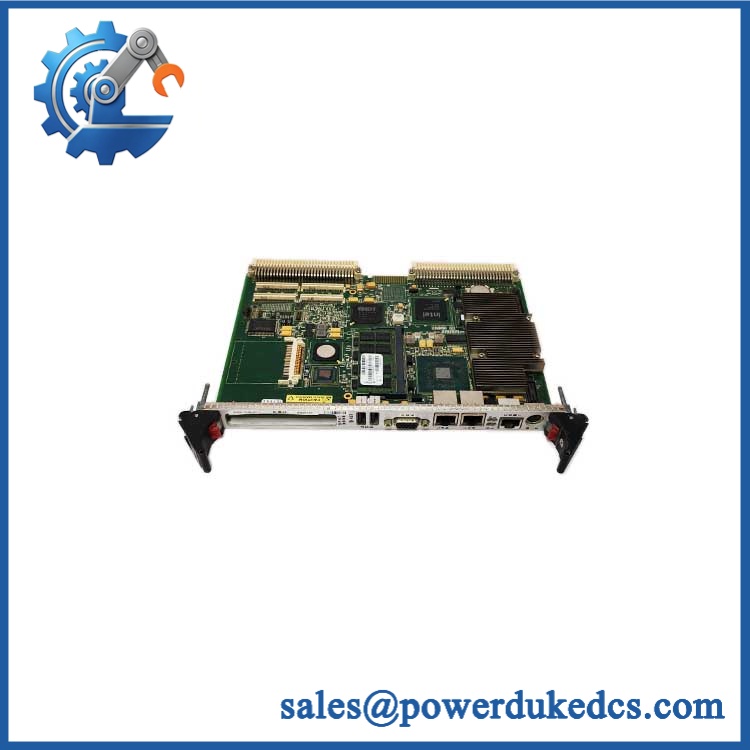
GE VME7768-320000
Field Traps — Watch Out
The suffix matters. Do not treat every board as equivalent. Processor, memory, storage, I/O, and firmware can vary by configuration. Match the complete identification before installation.
Boot-image mismatch can look like a hardware failure. If the board powers up but the application does not start, verify the boot device, software image, BSP, and application configuration before replacing additional hardware.
Backplane handling requires ESD control. VME boards use exposed edge connectors and should be handled with appropriate ESD precautions. Inspect the backplane connector before insertion; damaged or contaminated contacts can produce intermittent VMEbus faults.
Do not change slot position casually. Some VME systems assign fixed addresses, interrupt resources, or application-specific roles to individual slots. Preserve the original slot unless the system documentation explicitly permits relocation.
Quality Assurance SOP
Before shipment, each available unit should pass a documented inspection sequence:
- OEM anti-counterfeit visual inspection — Verify GE identification, complete -320000 marking, labels, PCB identifiers, revision markings, and manufacturing references.
- Board configuration verification — Record the processor identification, memory devices, flash/storage devices, installed options, and hardware revision visible on the actual board.
- PCB inspection — Examine the board for corrosion, contamination, cracked components, damaged solder joints, overheating marks, missing components, and unauthorized modifications.
- VME connector inspection — Check the P1/P2 connector interfaces for bent, recessed, oxidized, contaminated, or mechanically damaged contacts.
- Mechanical inspection — Verify the front-panel assembly, ejector handles, retaining hardware, faceplate condition, and board alignment.
- Controlled power-up test — Install the board in a compatible VME test chassis and verify power-up behavior, current consumption, processor startup, and diagnostic indicators.
- VMEbus recognition test — Confirm that the board can establish normal VMEbus operation within the compatible test environment and that no abnormal bus or system-level fault is reported.
- Memory verification — Where the test platform supports it, run controlled memory diagnostics and record the result.
- Boot-device verification — Confirm that the installed boot medium or firmware environment is detected and that the board reaches the expected startup state.
- Application-environment verification — Where customer software is available and authorized for testing, verify startup behavior using the customer’s approved image. Otherwise, record hardware-level test results without claiming application compatibility.
- Thermal observation — Monitor the board during extended controlled operation for abnormal heating, instability, resets, or unexpected diagnostic behavior.
- Final identification check — Match the tested board’s exact model, revision, configuration, and physical condition against the purchase order.
- ESD-safe packaging — Place the board in suitable ESD protective packaging with mechanical support for the PCB and VME connectors.
- Shipment release — Any discrepancy in the identification, hardware revision, connector condition, or test results stops shipment until resolved.


 Start Chat