

Description
- Brand: GE / VMIC
- Full Model Number: VMIVME-5565-010000
- Alternate Part Number: 332-015565-010000 P
- System/Series Family: VMIVME-5565 VME Reflective Memory
- Core Function: High-speed deterministic shared-memory communication between distributed VME-based processors
- Top 3 Hardcore Specs: 2 Gbaud serial link; 256 MB dual-port memory; VMEbus interface
- Stock Status: New Surplus / Fully Tested Refurbished subject to actual inventory inspection
Module 3: Commercial-Technical Deep Dive
A distributed VME control system can remain operational at the processor level while communication between nodes becomes the actual bottleneck. The GE VMIVME-5565-010000 addresses that architecture by providing a reflective-memory interface, allowing multiple VME computers to exchange data through a shared-memory model rather than relying on conventional message-based transfers. The VMIVME-5565 family uses a high-speed serial reflective-memory network and provides 256 MB of dual-port memory; published specifications identify a 2 Gbaud fiber-optic data link.
For applications coordinating several processors, this architecture reduces the software overhead associated with repeatedly packaging and transmitting messages. Data written into one node’s reflective memory can be propagated across the network to corresponding memory locations on other nodes, giving each participating processor a local view of shared data. The practical result is deterministic, low-latency data distribution without forcing a complete redesign of the existing VME control architecture. —provided the replacement retains the required optical-network configuration and system software support.
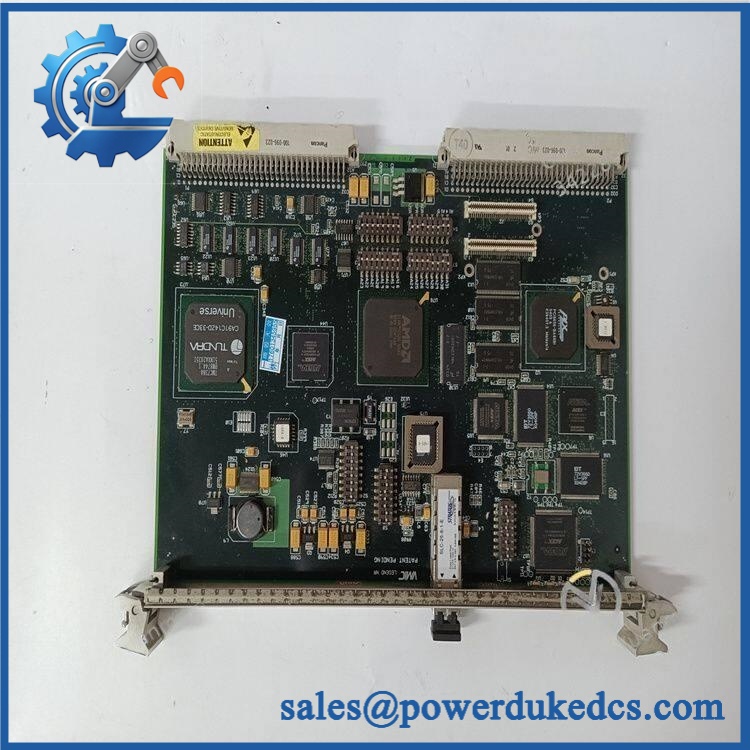
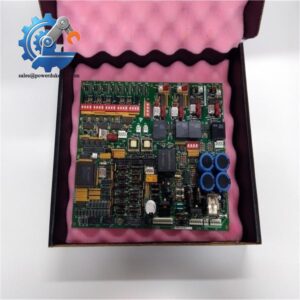
GE VMIVME-5565-010000
Module 4: Compatibility & Installation Traps
Migration/Compatibility
- Replacement status: Configuration-specific VMIVME-5565 reflective-memory VME board; verify the complete assembly number before substitution.
- Logic rewrite: Normally not required when replacing an identical board with matching hardware and software configuration.
- Firmware flash: Configuration dependent. Do not flash firmware simply because the replacement has a different revision.
- Drop-in status: Mechanically compatible with the appropriate VME chassis, but optical network topology, node configuration, memory allocation, and application drivers must match the installed system.
⚠️ Field Traps (Watch Out)
- Fiber-optic link orientation: Verify the optical transmit/receive connections and network topology before startup. A physically installed board can appear healthy while remaining isolated from the reflective-memory ring.
- Node addressing/configuration: Reflective-memory systems depend on correct node configuration. Record the failed board’s switch or software configuration before removal; an incorrect node identity can create communication problems even when VMEbus operation appears normal.
- ESD and connector handling: Protect the board and optical interfaces from ESD and contamination. Never treat an exposed fiber connector as an ordinary electrical connector.
Module 5: Quality Assurance SOP
Before shipment, the GE VMIVME-5565-010000 / 332-015565-010000 P should undergo board-level inspection and functional testing:
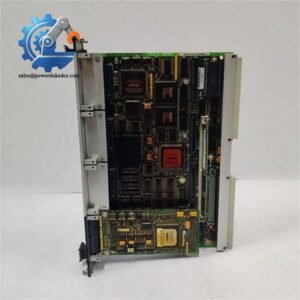
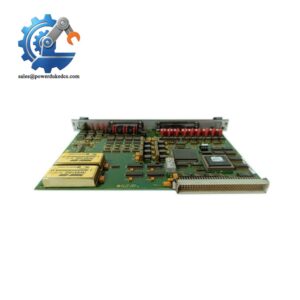
- OEM anti-counterfeit visual inspection — verify GE/VMIC markings, catalog number, assembly identification, PCB construction, connector layout, and component population.
- PCB inspection — check for corrosion, cracked solder joints, damaged components, contamination, unauthorized rework, and mechanical stress.
- VME connector inspection — examine the VME interface for bent pins, oxidation, recessed contacts, or mechanical deformation.
- Optical interface inspection — inspect fiber-optic ports and protective interfaces for contamination, physical damage, or connector degradation.
- Power-on self-test (POST) — install the board in a compatible VME test chassis and verify expected initialization and status behavior.
- VMEbus communication handshake — confirm that the board is recognized correctly by the host VME system.
- Reflective-memory link verification — establish a compatible test network and verify memory propagation between nodes rather than relying only on board power-up.
- Memory test — exercise the available reflective-memory address space with controlled read/write patterns and verify data integrity.
- Final QC record — document model number, assembly/revision markings, serial information where available, test configuration, results, photographs, and packaging condition.
A reflective-memory board should not be accepted solely because it powers on. The optical link and shared-memory data path are the critical functional checkpoints.
Module 6: CRO-Driven Buyer FAQ
1. Is GE -010000 an obsolete part?
The family is legacy VME reflective-memory hardware, so sourcing condition matters. Available units may be new surplus, previously installed, or refurbished. Request the exact and 332-015565-010000 P identification before purchasing; visually similar reflective-memory boards should not be assumed equivalent.
2. Can I hot-swap the -010000?
Do not assume hot-swap capability. Unless the specific VME system documentation explicitly permits energized replacement, shut down the system, isolate power, and follow site LOTO procedures before removing the board.
3. Does replacing the board require rewriting the PLC or application logic?
Usually not when replacing an identical board with the same configuration. However, reflective-memory node configuration, device drivers, operating-system support, and application-level memory mapping must remain compatible. Preserve the original configuration before replacement.
4. What should I verify before ordering this exact board?
Confirm the complete assembly number, including -010000 / 332-015565-010000 P, plus board revision, optical interface configuration, memory capacity, node configuration, and software environment. For a live production system, photographs of the existing board and connectors are strongly recommended.
5. What warranty and technical support are available?
Warranty duration should correspond to the actual stock condition and be stated clearly on the quotation. Technical support should cover part-number verification, hardware configuration review, installation guidance, and interpretation of documented functional-test results. It should not imply undocumented firmware modification or application-software engineering.



 Start Chat